
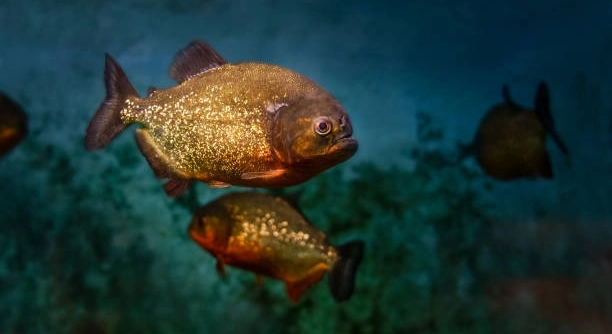
Have you ever watched a piranha move and felt like it was showing off just a little? Their bold movements are not random. These tiny predators often reveal their mindset through how they swim, turn, and react.
Piranhas display confidence through direct swimming patterns, rapid directional changes, upright body posture, bold fin displays, close-range circling, territorial tail flicks, and strong jaw exposure. These movements are consistent indicators of dominance and awareness in their aquatic environments.
Understanding these behaviors can help you recognize when a piranha feels secure, alert, or even in control of its surroundings.
Direct Swimming Patterns Mean Business
When a piranha swims in a straight, purposeful line, it’s not being casual—it’s being confident. This movement usually shows that the piranha feels secure in its space and is unbothered by its surroundings. Unlike darting or erratic behavior, which often signals fear or confusion, a direct swimming style suggests control. These movements are especially common when a piranha is patrolling its territory or inspecting something new. The lack of hesitation in its motion signals that it is comfortable and not intimidated. Observing a piranha swimming this way can give you early signs that it is healthy, mentally stable, and fully aware of its environment.
You’ll notice this more often in solo piranhas or when one is clearly leading a group.
It’s an easy behavior to miss if you aren’t watching closely. Once you spot it, though, it becomes clear how much body language says about their confidence.
Rapid Directional Changes Show Alertness
Quick shifts in movement are a powerful sign of sharp focus and readiness. When a piranha changes direction fast, it’s staying on top of its environment and showing no signs of fear.
These sudden turns are more than just reflexes. A confident piranha doesn’t randomly dart—its movements are calculated and efficient. Rapid turns often occur when a fish hears a splash, sees a shadow, or senses a shift in water pressure. These actions are typically followed by a pause or steady hold, suggesting the fish is analyzing what just happened. In groups, you’ll often see one piranha move like this first, triggering a delay in reaction from the rest. That leader tends to be the boldest, and the others follow its cue. If a piranha repeats this behavior often without showing stress signs like hiding or staying still, it’s a reliable indicator that it’s mentally present and feeling secure. Confidence in piranhas is not about dominance—it’s about awareness and a lack of hesitation.
Upright Body Posture Signals Strength
When a piranha holds its body upright, it’s not just balancing—it’s making a statement. This stance makes it appear larger and more stable, especially when facing another fish or inspecting new surroundings.
Piranhas that hold themselves upright are usually the most confident in a group. This posture gives them a better view of their environment and signals to others that they are alert and not backing down. It’s often seen when a piranha is establishing its space or when it senses movement nearby. A tilted or hunched posture, on the other hand, may indicate discomfort or submission. Upright positioning shows that the fish is comfortable with its surroundings and wants others to take notice. If you see a piranha staying vertical while others are slanted or darting around, it likely feels dominant or particularly aware. This behavior becomes clearer when observed during feeding or territorial behavior.
It’s most noticeable in moments of stillness or when the piranha is choosing not to move. Staying upright while pausing lets it remain in control without reacting too strongly. It allows for a powerful visual message that says it’s confident, calm, and ready to act if necessary. Observing this can give helpful insight into tank dynamics.
Bold Fin Displays Mark Territory
Piranhas flare their fins wide as a physical signal to show off and hold ground. These movements aren’t defensive—they’re a direct, visual display of boldness, often performed when others come too close.
This behavior is common during feeding, near shelter, or in slightly crowded spaces. Fin flaring makes the piranha look larger, discouraging others from testing boundaries. You might see this when one fish claims a spot or item, like a leaf or a shaded corner. Confident piranhas don’t hide—they hold their place and let their fins speak. This motion is smooth and unhurried, adding to the sense of control. If a fish flares and stays put, it feels no pressure to run. That stillness speaks volumes. Combined with slow tail waves, it becomes clear the piranha is not afraid. When repeated over time, this movement marks a pattern of assurance and dominance without needing to attack or flee.
Close-Range Circling Shows Control
When a piranha swims in small, slow circles around another fish or object, it’s asserting itself. This movement is calm but intentional, often used to gauge reactions and maintain control without acting aggressively.
It’s a quiet but clear way of saying, “I see you, and I’m not moving.” Piranhas use this when inspecting something new or deciding whether to engage. The lack of panic in their movement signals confidence and sharp focus.
Territorial Tail Flicks Are Intentional
Short, sharp flicks of the tail near others are not random. This behavior is often used to nudge or warn without attacking. It’s a common way confident piranhas signal control in tight spaces.
Piranhas use tail flicks when they feel secure but want to maintain space. The action sends a quick message to nearby fish—don’t come closer. It rarely leads to chasing or biting when confidence is high. Instead, it helps reduce unnecessary conflict. You’ll notice these flicks most often in tanks where boundaries are well understood. A strong, single flick followed by stillness or slow movement shows that the piranha knows it’s being watched and doesn’t feel the need to retreat. When these movements are repeated calmly, they form part of the piranha’s routine ways of managing its surroundings without appearing anxious or aggressive.
Jaw Exposure Reflects Boldness
Holding the jaw open while facing others is a bold move. It’s a quiet but confident way to show strength without needing to bite.
FAQ
How can I tell if a piranha is confident or aggressive?
Confidence and aggression can look similar, but confident piranhas move with more control. They hold positions longer, avoid unnecessary biting, and show more deliberate body movements. Aggressive piranhas, on the other hand, tend to act fast, make sudden lunges, and create more tension in the tank. Confidence usually shows up through slow circling, upright posture, and fin displays that don’t escalate. Watch how other fish respond—if they stay calm, the dominant piranha is likely confident but not threatening. If others scatter or show stress, it may be leaning toward aggression.
Why does my piranha freeze in place sometimes?
Freezing in place isn’t always a sign of fear. Confident piranhas often pause to assess their surroundings. This behavior shows that they feel secure enough not to flee right away. It allows them to watch other fish, notice changes in the tank, or make decisions without reacting too quickly. If your piranha stays still but remains upright and alert, it’s not scared—it’s simply being careful and deliberate. However, if it hides in corners or lays at the bottom, it may be feeling threatened or stressed. Context and posture both matter when reading this signal.
Do confident piranhas act differently during feeding time?
Yes, they do. Confident piranhas are more likely to eat near others and take food without hesitation. They may stay near the center or top of the tank, claiming food early. Less confident fish will wait or approach food from the edges. Confident individuals may also show more controlled biting and less frantic chasing. You’ll often notice that the boldest piranhas feed in a straight, purposeful line, while others scatter or hang back. If one fish consistently gets first access, it likely feels dominant and sure of its place in the tank.
What role does eye contact play in piranha behavior?
Eye contact between piranhas isn’t like it is with humans, but it still matters. A direct, steady gaze often means the fish is paying close attention to another’s behavior. Confident piranhas will maintain that focus without backing off or darting away. You may notice two fish holding still and watching each other—if neither flinches, they’re likely assessing one another. In confident fish, this tends to end without a fight. The gaze is used to measure control and presence, not to provoke. Quick glances followed by retreat usually signal nervousness, not confidence.
Can piranhas lose confidence over time?
Yes, changes in tank conditions, illness, or the addition of new fish can affect their confidence. A previously dominant fish may become more withdrawn if it feels unsafe. This can happen if there’s too much light, not enough hiding spaces, or if it’s recovering from a fight. It can also happen when another fish becomes more assertive. If a confident piranha begins to shy away from food or avoid its usual territory, it may be responding to a shift in the environment. Regular observation can help you notice these subtle changes early.
What should I avoid doing if I want to keep my piranha confident?
Avoid sudden changes in lighting, water temperature, or tank layout. These disruptions can make even a confident piranha uncertain. Also, don’t tap the glass or make loud noises near the tank. These fish are sensitive to vibrations and sudden movements. If you need to rearrange decorations or clean the tank, try doing it gradually. Provide plenty of cover and stable tankmates. Confident behavior comes from feeling secure. A predictable routine and a calm environment help your piranha stay balanced and in control.
Why do some piranhas guard certain areas of the tank?
Guarding behavior often means the fish is confident and sees that area as its space. It may spend extra time near rocks, plants, or shaded corners, using slow, repeated movements to show it belongs there. Confident fish won’t chase constantly—they simply stay near and assert presence. You’ll often notice others avoiding that zone, especially during feeding or resting periods. Guarding becomes more noticeable in tanks with limited space or in breeding setups. It’s not always aggressive, just territorial and self-assured.
How can I help a shy piranha become more confident?
Start by creating a low-stress environment. Add hiding spots and reduce direct lighting. Give the fish time to explore without competition from more dominant tankmates. If it’s always being pushed aside during feeding, try spreading food in different areas. Let it eat in peace. Also, avoid overhandling or tapping the tank. Consistent care and a stable routine can help it come out more often. Confidence grows slowly, so patience matters. Over time, you may notice more upright posture, steady movements, and boldness during feeding. These are early signs that the fish is starting to feel secure.
Final Thoughts
Understanding a piranha’s movements helps you see more than just fish swimming in a tank. These behaviors show how the fish feels, how it reacts to changes, and how it relates to other tankmates. Confidence in piranhas is not loud or flashy. It appears through steady swimming, upright posture, and calm presence. A confident piranha often leads without fighting, holds space without fear, and eats without rushing. Watching these movements closely allows you to see the small but important ways they show control and comfort in their environment.
Each of the movements discussed—whether it’s slow circling, a steady stare, or taking the lead during feeding—plays a role in building a picture of your piranha’s mindset. These are natural signs that develop over time as the fish becomes more familiar with its surroundings. If the environment stays calm and balanced, the fish is more likely to express these confident behaviors. Stress, sudden changes, or poor tank conditions can lead to shifts in behavior. Confidence can fade, just as it can grow again. This is why regular care and observation are so important when keeping piranhas.
Keeping piranhas is not just about feeding them or cleaning their tank. It also means understanding their social structure, reading their body language, and adjusting the environment when needed. When you pay attention to how they move, where they stay, and how they interact with others, you can tell a lot about their comfort level. Confident piranhas tend to be more predictable and stable. They know their place and respond calmly to everyday events in the tank. By recognizing the movements that show this confidence, you become better prepared to support your fish and keep your tank balanced. The more you observe with care, the more you’ll notice the quiet ways your piranhas express themselves.

Hello,
If you enjoy the content that we create, please consider saying a "Thank You!" by leaving a tip.
Every little bit helps us continue crafting quality advice that supports the health, happiness, and well-being of pets around the world, for pets of all shapes, sizes, and species.
We really appreciate the kindness and support that you show us!