
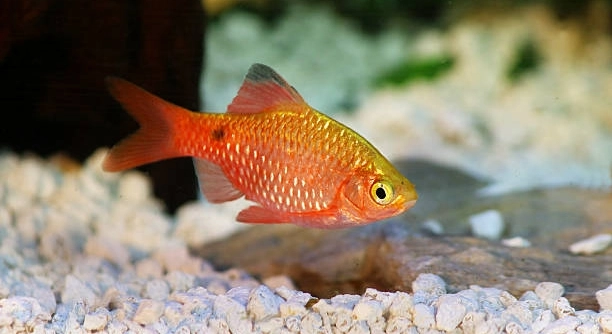
Rosy barbs are small, colorful fish often kept in home aquariums. Knowing how they show they feel safe can help owners create a better environment. Observing their behavior helps improve their well-being and comfort.
Rosy barbs exhibit specific movements when they feel safe, such as slow swimming, relaxed fins, frequent social interaction, gentle grazing, minimal darting, regular surface breathing, and calm resting positions. These behaviors indicate comfort and security in their surroundings.
Recognizing these signs can help you support your rosy barbs’ health and happiness in their tank environment. Understanding their comfort cues promotes a peaceful aquarium experience.
Slow and Steady Swimming
When rosy barbs feel safe, their swimming slows down noticeably. Instead of darting quickly around the tank, they move gently and steadily. This calm swimming shows they are relaxed and comfortable with their environment. Slow swimming allows them to explore without stress and reduces the risk of injury. You might notice them gliding near plants or decorations, seeming curious but calm. This peaceful movement also helps conserve energy and shows they don’t feel threatened by other fish or sudden changes. In contrast, rapid or erratic swimming often signals anxiety or discomfort. When their tank conditions are right—good water quality, stable temperature, and enough space—they tend to swim with this relaxed pace. Watching for this behavior gives a clear idea of how secure they feel. It also helps you know if adjustments are needed in the tank to keep them stress-free.
This calm swimming pattern is one of the easiest ways to tell your rosy barbs feel safe and at ease in their home aquarium.
Knowing this, you can watch for changes in swimming speed as a quick sign of their well-being. Encouraging slow, steady movement means providing a stable environment and peaceful tankmates. A tank with gentle water flow and plenty of hiding spots supports this calm behavior. When your rosy barbs swim slowly, it means they trust their surroundings and feel secure. This small detail helps you keep their care on track and ensures they stay healthy and happy.
Relaxed Fins and Body Language
Relaxed fins are a clear sign rosy barbs feel safe. Their fins spread out naturally, not clamped close to their body or frayed. When they feel stressed, their fins often curl or tuck in tightly. Healthy, open fins show they are calm and free from discomfort. Along with fin position, their body posture is smooth and natural, without stiff or jerky movements. You might see them resting calmly or gently turning as they swim.
This relaxed body language reflects comfort and confidence in their environment. It tells you they are not feeling threatened or uneasy, which helps maintain their health.
Recognizing these subtle signals is important. Fins that are open and flowing indicate your rosy barbs are well-adjusted to their tank. A peaceful posture means they feel protected. Changes in these signs can warn you if something is wrong, like poor water conditions or aggressive tankmates. Keeping the water clean, stable, and the tank spacious helps maintain this relaxed state. Paying attention to these physical cues lets you respond early to any problems and keep your fish comfortable over time.
Frequent Social Interaction
Rosy barbs that feel safe often swim close to each other and engage in gentle interactions. They tend to stick together in small groups, showing comfort in their community.
This social behavior is a key sign of security. When they feel safe, rosy barbs communicate through subtle movements like swimming side by side or briefly touching fins. These interactions help reduce stress and build bonds within the group. Fish that are nervous or uncomfortable usually isolate themselves or hide. Socializing also encourages activity and healthy behavior, keeping them mentally and physically engaged. In a well-maintained tank, this friendly group dynamic is easy to observe.
Supporting this behavior means keeping your rosy barbs in groups of at least five. A larger school mimics their natural environment, promoting natural behaviors. Providing enough space and hiding spots also encourages positive social interaction. When they swim and interact calmly, it signals they trust their surroundings and feel protected.
Gentle Grazing
Rosy barbs feeling secure will often nibble softly on plants or decorations in the tank. This grazing behavior shows they are relaxed and comfortable enough to explore their environment.
Grazing is a natural activity that helps keep them occupied and prevents boredom. It also supports their diet by allowing them to eat algae and other tiny organisms growing on surfaces. When they feel threatened or stressed, grazing decreases as they focus more on hiding or quick movements. A tank that encourages grazing usually has healthy plants and clean surfaces. Watching for gentle grazing lets you know your fish are relaxed and exploring without fear.
To support this behavior, maintain live plants or algae growth in the aquarium. Providing a natural habitat with varied textures helps your rosy barbs feel at ease and content. Grazing also promotes better digestion and overall health. Observing this calm nibbling can give you clues about their comfort level and whether their tank conditions are ideal.
Minimal Darting
When rosy barbs feel safe, they avoid sudden, quick movements called darting. Instead, they swim smoothly and calmly around the tank.
Frequent darting often signals stress or fear. A low amount of darting means they are comfortable and secure in their environment.
Regular Surface Breathing
Rosy barbs breathe at the water surface in a steady, calm manner when they feel safe. This behavior shows their oxygen needs are met and they are relaxed. Rapid or erratic gulping at the surface can indicate stress or poor water conditions, so regular, smooth breathing is a positive sign.
Calm Resting Positions
Rosy barbs that feel safe will rest quietly, often near plants or tank decorations. These calm resting positions show they trust their surroundings and don’t feel threatened. If a fish is constantly moving or hiding, it may not feel secure.
FAQ
How can I tell if my rosy barb is stressed?
Stressed rosy barbs often show fast, erratic swimming or frequent darting around the tank. They may hide more than usual and keep their fins clamped close to their bodies. Another sign is loss of appetite or refusing to eat. Stress can also cause color fading or unusual aggression between fish.
What causes stress in rosy barbs?
Stress in rosy barbs usually comes from poor water quality, sudden changes in temperature, overcrowding, or aggressive tankmates. Loud noises, constant disturbances, and lack of hiding places also make them uneasy. Keeping the tank clean, stable, and properly stocked helps reduce stress.
How many rosy barbs should I keep together?
Rosy barbs are social fish and feel safest in groups of at least five. Keeping them in a small school mimics their natural behavior and reduces stress. Too few fish may cause loneliness or nervousness, while too many can lead to overcrowding and conflict.
What tank conditions make rosy barbs feel safe?
A tank with stable temperature between 64°F and 72°F, good filtration, and regular water changes supports their health. Plenty of plants, open swimming space, and hiding spots create a balanced environment. Avoid sudden changes and maintain proper pH levels around 6.5 to 7.5.
Why do rosy barbs sometimes hide?
Hiding is a natural behavior when they feel threatened or stressed. It can also happen during rest or when introducing new fish to the tank. If hiding becomes constant, it may indicate poor water quality, illness, or bullying by other fish.
Can rosy barbs live with other fish?
Yes, rosy barbs generally get along with other peaceful fish that are similarly sized. Avoid slow-moving or very small fish that may be bullied. Good tankmates include danios, tetras, and certain livebearers. Proper space and hiding spots reduce aggression.
How often should I feed rosy barbs?
Feed your rosy barbs small amounts 1 to 2 times a day. Overfeeding can pollute the water and harm their health. Use a mix of flakes, pellets, and occasional live or frozen foods for a balanced diet. Remove uneaten food promptly.
What signs show a rosy barb is healthy?
Healthy rosy barbs have bright colors, smooth swimming, open fins, and active social behavior. They eat regularly and show no signs of injury or illness like spots or ragged fins. Consistent calm breathing and gentle grazing are positive health indicators.
What should I do if my rosy barb looks sick?
Isolate any sick fish to prevent spreading disease. Test water quality and improve tank conditions if needed. Common illnesses often require medication or special treatment. Consult a reliable aquarium guide or expert for diagnosis and care advice.
How important is tank size for rosy barbs?
Tank size is very important. A minimum of 20 gallons is recommended for a small school of rosy barbs. Larger tanks provide more swimming space and reduce territorial behavior. Proper size supports their physical health and natural movement.
Rosy barbs are lively and colorful fish that bring life to any aquarium. Understanding their behavior helps ensure they feel safe and comfortable in their environment. By watching for signs like slow swimming, relaxed fins, and gentle grazing, owners can tell when their fish are secure. These simple movements are important indicators of well-being and show that the tank conditions support their needs. Providing a stable, clean habitat with enough space and hiding spots encourages these positive behaviors.
Creating a peaceful environment for rosy barbs means paying attention to water quality, tank size, and social groups. Keeping them in schools of five or more helps reduce stress and encourages natural social interaction. A tank with live plants and open swimming areas allows the fish to feel protected and explore safely. Regular maintenance, such as water changes and monitoring temperature, plays a big role in their overall comfort. When the fish are calm and show behaviors of safety, it is a sign that their needs are being met well.
By learning to recognize these movements, fish owners can respond quickly if something seems off. Changes in swimming speed, fin position, or social behavior may indicate stress or illness. Early action can prevent more serious problems and keep the fish healthy. Paying attention to the small details helps create a long-lasting, enjoyable aquarium experience. Overall, knowing what makes rosy barbs feel safe is key to supporting their health and happiness in your home.

Hello,
If you enjoy the content that we create, please consider saying a "Thank You!" by leaving a tip.
Every little bit helps us continue crafting quality advice that supports the health, happiness, and well-being of pets around the world, for pets of all shapes, sizes, and species.
We really appreciate the kindness and support that you show us!