
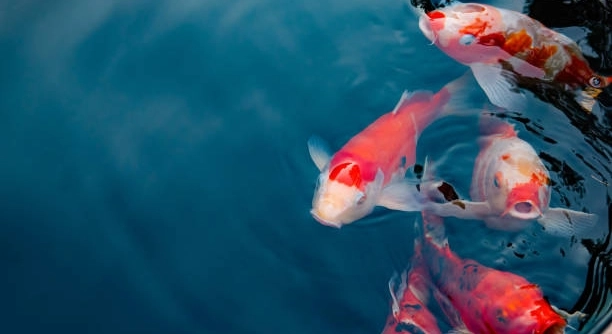
Koi fish display a range of movements when they observe their surroundings. These behaviors offer insight into their mood and level of alertness. Understanding these motions helps to better appreciate koi fish interactions and care.
Koi use specific movements such as slow swimming, fin flicking, head tilting, body turning, surface pecking, hovering, and tail swishing to observe and assess their environment. These motions serve as communication and environmental scanning tools.
Recognizing these movements can improve koi care and enhance your connection with these graceful fish. This article explains the seven common observation behaviors of koi.
Slow Swimming and Fin Flicking
When koi swim slowly near the surface or mid-water, they are often observing their environment calmly. This behavior allows them to take in surroundings without rushing. Fin flicking accompanies slow swimming as a subtle signal. It may indicate curiosity or mild interest in nearby activity. This motion can also help koi adjust their balance and detect water currents. Watching koi move this way reveals a peaceful, attentive state. It is common during feeding times or when new objects enter the pond. Slow swimming paired with fin flicking shows koi are aware but not alarmed.
Fin flicking serves both sensory and communicative roles for koi.
These gentle movements are useful indicators for koi keepers. They suggest koi are comfortable but alert. Noticing changes in these behaviors helps identify shifts in koi mood or health. Observing koi swim slowly while flicking fins can also highlight their natural grace and elegance in water. This pattern often precedes more active behaviors or responses to stimuli in their environment.
Head Tilting and Body Turning
Head tilting is a distinct movement koi use to focus on specific objects. It allows them to get a better angle for observing. This motion often accompanies body turning, where koi adjust their whole posture. Together, these movements help koi assess details like food, changes, or potential threats. Head tilting and body turning show koi’s curiosity and caution in unfamiliar situations.
These behaviors enable koi to gather more information visually and physically.
Head tilting changes the koi’s viewpoint, giving depth perception and clarity. It is often seen when koi encounter new plants, reflections, or unusual sounds. Body turning helps koi position themselves optimally to decide on their next action. This might include approaching, retreating, or ignoring the stimulus. Both movements reflect how koi carefully interpret their environment. Watching them engage in this behavior can reveal their alertness level and decision-making process. Understanding these subtle signs can improve interaction and care for koi by recognizing when they are interested or wary.
Surface Pecking
Surface pecking is a common koi movement when they notice floating particles or insects. This behavior helps them inspect and sometimes catch food on the water’s surface. It shows active observation combined with the possibility of feeding.
Koi pecking at the surface demonstrate alertness to small changes above them. This action allows them to interact directly with their environment and satisfy curiosity or hunger. Surface pecking is not random but purposeful, linked to their feeding habits and sensory perception. When koi engage in this movement, they assess whether the object is edible or just debris. This behavior also reflects their natural instincts to search for food, making it an important sign of healthy koi activity.
Besides feeding, surface pecking can be a response to reflections or ripples in the water. Koi may investigate these as part of their observation process. This movement also promotes interaction within the pond ecosystem by reducing surface insects or debris, contributing to pond cleanliness.
Hovering
Hovering occurs when koi stay almost motionless in one spot, usually near an object or area of interest. This allows focused observation without distraction. It shows koi concentration.
Koi use hovering to study something carefully before deciding on their next move. It gives them time to process environmental information while conserving energy. This behavior is often seen near plants, rocks, or pond edges. Hovering allows koi to monitor changes closely, such as movement of other fish or the presence of food. This moment of stillness contrasts with their usual fluid swimming patterns.
Hovering also helps koi feel secure while observing. It reduces the risk of sudden threats since koi are prepared to react quickly. The stillness allows koi to blend into their surroundings, making it easier to watch without drawing attention. Understanding hovering can help koi keepers recognize when their fish are focused and calm, improving observation and care strategies.
Tail Swishing
Tail swishing is a subtle but clear movement koi use to signal interest or mild agitation. It often occurs when koi observe nearby activity or changes. This action helps koi communicate or respond to their surroundings.
This movement also aids in water circulation around the fish, improving sensory input.
Fin Spreading
Koi spread their fins wide when they want to appear larger or more dominant. This behavior can signal confidence or territorial awareness. Fin spreading makes koi look bigger, which may discourage potential threats or competitors from approaching. It is often paired with slow, deliberate movements to reinforce presence and control over space in the pond.
Body Turning
Koi turn their bodies gradually to follow or focus on moving objects or other fish. This motion allows them to maintain visual contact and assess situations carefully. Body turning shows active observation and decision-making in response to stimuli.
Fin Flicking
Fin flicking is a quick, repeated movement koi use to adjust balance or communicate subtle interest. It often accompanies other observation behaviors and shows koi’s attentiveness to their environment.
What do koi movements tell me about their mood?
Koi movements often reflect their mood and overall well-being. Calm, slow swimming usually indicates that they are relaxed and comfortable in their environment. When koi flick their fins gently or hover quietly, it shows curiosity without stress. On the other hand, fast, erratic swimming or sudden darting may signal agitation or discomfort. Tail swishing can mean mild irritation or an attempt to communicate with other koi. Paying attention to these subtle cues helps identify if koi feel safe, curious, or stressed, which is important for maintaining a healthy pond environment.
Why do koi sometimes stay still for long periods?
Koi often remain still, or hover, to observe their surroundings carefully. This behavior allows them to conserve energy while focusing on nearby changes or possible threats. Stillness can also indicate that koi feel secure enough to take their time assessing situations. However, if koi stay motionless for unusually long periods without responding to stimuli, it could suggest illness or poor water quality. Monitoring how long koi remain still and their reaction afterward can provide valuable insight into their health and comfort level.
Is fin flicking a sign of illness?
Fin flicking is usually a normal behavior associated with balance adjustment and environmental awareness. It helps koi sense water movement and maintain stability. In most cases, fin flicking is harmless and indicates active observation. However, excessive or rapid fin flicking combined with other signs like clamped fins, lethargy, or discoloration may point to irritation or infection. It is important to observe fin flicking in context with other behaviors and water conditions to determine if it signals a problem requiring attention.
How can I tell if koi are stressed by their environment?
Signs of stress in koi include rapid swimming, hiding excessively, loss of appetite, and changes in coloration. Stress can also be reflected in unusual movements like constant tail swishing or erratic darting. When koi avoid interaction or fail to respond to feeding, it may indicate poor water quality, overcrowding, or sudden environmental changes. Regularly testing water parameters and maintaining clean conditions reduces stress. Observing koi behavior closely helps detect stress early and take corrective measures to improve their environment.
Do koi use movements to communicate with each other?
Yes, koi use several movements as forms of communication. Tail swishing can signal mild aggression or dominance, while fin spreading indicates territorial claims. Slow swimming near another koi often shows social tolerance, whereas chasing or body turning might reflect competition or courtship behavior. These physical cues help koi establish hierarchy and relationships within the pond. Understanding their communication through movement enhances care and management by recognizing social dynamics and preventing conflicts.
Why do koi tilt their heads when watching something?
Head tilting improves koi’s ability to focus on specific objects or movements. This slight adjustment allows better depth perception and angle for assessing food, reflections, or changes in their environment. It is a natural behavior that shows active interest and careful observation. Head tilting often accompanies body turning to give koi a clearer view before deciding to approach or ignore the stimulus. Recognizing this behavior helps interpret koi curiosity and alertness levels.
Can koi observe and recognize their owners?
Koi can recognize regular feeders or caretakers through consistent interaction. They often swim closer, exhibit slow swimming, fin flicking, or surface pecking when their owner approaches. These movements indicate familiarity and anticipation of feeding or attention. Over time, koi develop conditioned responses to people, showing trust and recognition. Understanding these observation behaviors helps build a stronger bond between koi and their caretakers.
What should I do if koi suddenly stop observing their surroundings?
If koi stop their usual observation behaviors, it may be a sign of illness or poor water quality. Lack of movement or interest in the environment can indicate stress or health issues. Check water parameters immediately and look for other symptoms like clamped fins, spots, or unusual swimming patterns. Isolate any koi showing signs of disease and consult a veterinarian if necessary. Maintaining proper pond conditions and monitoring koi behavior regularly helps prevent sudden changes and supports their well-being.
Are there differences in observation movements between koi varieties?
Different koi varieties generally exhibit similar observation movements, though some may be more active or shy based on genetics and temperament. For example, some koi strains may flick fins more often, while others prefer hovering or slow swimming. Environmental factors and individual personality also influence movement patterns. Observing multiple koi and comparing their behaviors provides a better understanding of normal activity for your specific group.
How does water quality affect koi observation behavior?
Poor water quality can significantly alter koi’s observation and swimming patterns. High ammonia, nitrite, or low oxygen levels may cause koi to reduce movement, hide, or show rapid fin flicking. These changes reflect discomfort and stress. Good water quality encourages natural behaviors such as slow swimming, surface pecking, and body turning. Regular testing and maintenance of water parameters ensure koi remain healthy and alert, allowing for natural observation movements to occur consistently.
Observing koi movements provides valuable insight into their behavior and well-being. Each movement, whether it is tail swishing, fin flicking, or hovering, serves a purpose related to how koi interact with their environment and other fish. These movements help koi gather information, communicate, and respond to changes around them. Understanding these actions can improve how koi are cared for, ensuring they live in a healthy and comfortable pond. Watching koi closely also reveals their natural instincts and how they maintain balance and safety in their habitat.
Koi movements are not random but often indicate mood or physical condition. Calm and steady swimming usually shows koi are relaxed and content. When koi become restless or move erratically, it may be a sign of stress or discomfort. Similarly, behaviors such as surface pecking or body turning reflect curiosity and active observation. Recognizing these signs allows pond keepers to respond appropriately, such as checking water quality or adjusting the environment. This understanding supports the long-term health of koi and helps maintain a stable pond ecosystem.
Taking time to observe koi closely enhances the experience of keeping them and ensures their needs are met. Attention to their movements can reveal early signs of health issues or stress, which might otherwise go unnoticed. It also creates an opportunity to appreciate the natural beauty and intelligence of koi. Being aware of how koi use movement to observe and communicate adds depth to their care. Ultimately, this knowledge promotes a stronger connection between koi and those who look after them, contributing to better care practices and a more harmonious pond environment.

Hello,
If you enjoy the content that we create, please consider saying a "Thank You!" by leaving a tip.
Every little bit helps us continue crafting quality advice that supports the health, happiness, and well-being of pets around the world, for pets of all shapes, sizes, and species.
We really appreciate the kindness and support that you show us!