
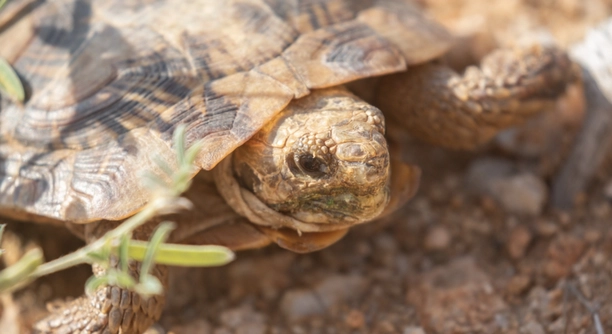
Pancake tortoises are fascinating creatures, but like all reptiles, they require proper nutrition for optimal health. Providing the right vitamins can make a significant difference in their overall well-being. Understanding these essentials is key.
The seven most important vitamins for a healthy pancake tortoise include A, D3, E, K, C, B1, and B12. Each of these plays a crucial role in supporting immune function, bone health, metabolism, and overall vitality, helping the tortoise thrive.
Maintaining a balanced diet with these vitamins ensures long-term health for your pancake tortoise.
Vitamin A: Essential for Vision and Immune Health
Vitamin A plays a vital role in the health of pancake tortoises. It is crucial for maintaining good vision, especially in low-light conditions. Without it, tortoises can suffer from poor eyesight and weakened immune systems, leaving them more susceptible to infections. Vitamin A also helps with growth and skin health, ensuring a smooth and healthy shell. Sources of this vitamin for your tortoise include leafy greens such as collard greens and dandelion leaves. It is important to provide a steady supply of this vitamin, but be cautious not to overdose, as too much can lead to toxicity.
Vitamin A supports overall health and strengthens the immune system, helping your tortoise fend off illness.
Vitamin A is commonly found in green leafy vegetables, such as spinach and kale. If your tortoise is not eating enough of these, it can lead to deficiencies. It’s a good idea to rotate their diet to include a variety of these plants, ensuring they are getting the nutrients they need.
Vitamin D3: Vital for Calcium Absorption
Vitamin D3 plays a significant role in helping your tortoise absorb calcium, which is crucial for strong bones and a healthy shell. Without enough Vitamin D3, your tortoise can experience issues like metabolic bone disease. This vitamin can be sourced from sunlight or UVB lamps. Sunlight provides natural Vitamin D3, but in captivity, a UVB bulb can help ensure that your tortoise gets enough. Lack of exposure to UVB light can lead to a range of problems, including shell deformities and weakened bones. Make sure your tortoise has access to these sources regularly to keep them healthy and strong.
Adding UVB lighting to your tortoise’s environment is one of the best ways to provide Vitamin D3.
Without proper calcium absorption, your tortoise will not thrive. Ensure they have consistent access to the right amount of UVB light. This is essential for both their bone strength and overall health. Keeping a close eye on their diet and light exposure will promote a healthier, happier tortoise.
Vitamin E: Protecting the Tortoise’s Cells
Vitamin E is an antioxidant that protects the tortoise’s cells from damage. It helps prevent oxidative stress, which can weaken the immune system and increase susceptibility to illness. This vitamin supports skin health, promotes proper growth, and is vital for reproductive health in both males and females.
A lack of Vitamin E can lead to issues like muscle weakness and poor immune responses. It also contributes to shell health by aiding in the repair of damaged cells. The best sources of Vitamin E include leafy greens and certain fruits, such as berries. Regularly including these in the diet will help ensure the tortoise receives enough of this vitamin.
Vitamin E can also improve the tortoise’s ability to heal from injuries, as it supports healthy circulation and cell regeneration. By offering a diet rich in Vitamin E, you are directly supporting your tortoise’s overall health and vitality. Be mindful of providing variety in their food, ensuring they benefit from this essential nutrient.
Vitamin K: Important for Bone and Blood Health
Vitamin K is crucial for bone and blood health in pancake tortoises. It helps with blood clotting and bone mineralization, ensuring proper calcium utilization and preventing fractures. This vitamin plays a key role in maintaining the integrity of your tortoise’s bones and shell.
It’s important to incorporate dark, leafy vegetables, like kale and turnip greens, into their diet to meet their Vitamin K needs. These foods help regulate the tortoise’s blood clotting mechanisms and ensure strong bones. Without adequate Vitamin K, the tortoise may be more prone to internal bleeding and fractures.
Additionally, Vitamin K promotes healthy tissue development and regeneration, which contributes to overall health. This vitamin works in tandem with Vitamin D3 to help the tortoise’s body utilize calcium properly, further supporting bone health. A diet rich in leafy greens will naturally help maintain sufficient levels of Vitamin K.
Vitamin C: Supporting the Immune System
Vitamin C is essential for maintaining a strong immune system and overall health. It helps the tortoise fight off infections, reduces inflammation, and plays a key role in collagen formation, which supports the skin and shell structure. Without enough Vitamin C, the tortoise can become more vulnerable to disease.
This vitamin also aids in the absorption of iron, promoting healthy blood circulation. A deficiency can lead to weakened bones, poor shell growth, and increased risk of infections. Offer a variety of fruits and vegetables like bell peppers and strawberries to meet their Vitamin C needs.
Vitamin B1: Enhancing Metabolism
Vitamin B1, also known as thiamine, is crucial for proper metabolism in pancake tortoises. It supports energy production and aids in nerve function. A lack of this vitamin can lead to lethargy, poor appetite, and even neurological issues.
Vitamin B1 can be sourced from whole grains and leafy vegetables. It is essential for maintaining a healthy metabolic rate and ensuring that the tortoise has the energy needed for growth and daily activities.
Vitamin B12: Key to Red Blood Cell Production
Vitamin B12 is essential for red blood cell production, helping to prevent anemia and fatigue. It also supports the nervous system and ensures proper brain function. Adequate B12 levels are needed for overall health and vitality.
B12 is found in a variety of foods, including dark leafy greens and some types of algae. A steady intake of these foods will support your tortoise’s immune system and energy levels.
FAQ
How can I ensure my pancake tortoise gets enough vitamins?
To ensure your pancake tortoise gets the right vitamins, provide a balanced diet with a variety of fresh vegetables and fruits. Dark leafy greens such as kale, collard greens, and dandelion leaves are excellent sources of Vitamin A, K, and C. Rotate their diet to avoid deficiencies. You can also use UVB lighting for Vitamin D3, especially if your tortoise does not have access to natural sunlight.
What are the symptoms of Vitamin A deficiency in a pancake tortoise?
Symptoms of Vitamin A deficiency include poor eyesight, a dull, flaky shell, and reduced immune function. The tortoise may become lethargic, and its skin may appear dry or unhealthy. If these symptoms are noticed, increase their intake of Vitamin A-rich foods, like leafy greens, to help restore proper health.
Can I over-supplement Vitamin D3 for my pancake tortoise?
Yes, over-supplementing Vitamin D3 can lead to toxicity, causing problems such as kidney damage or calcium imbalances. It is crucial to monitor your tortoise’s UVB exposure and avoid using excessive supplements unless recommended by a veterinarian. Ensure a balanced diet with access to natural sunlight or proper UVB lighting.
How do I know if my pancake tortoise needs more Vitamin E?
Signs that your pancake tortoise may need more Vitamin E include muscle weakness, poor skin health, and a weakened immune system. Since Vitamin E helps protect cells from oxidative stress, a deficiency can lead to slower healing from injuries or infections. Incorporate more leafy greens and fruits into their diet to improve Vitamin E intake.
What fruits are safe for my pancake tortoise to eat?
Fruits like strawberries, bananas, and papaya can be offered in moderation. These fruits provide essential vitamins, especially Vitamin C, which supports immune function. Avoid high-sugar fruits and only give them as a treat rather than a main part of their diet to prevent obesity or digestive issues.
Is it safe to feed my pancake tortoise vitamin supplements?
Vitamin supplements should only be used when there is a clear indication of deficiency or if recommended by a veterinarian. A well-balanced diet with a variety of vegetables typically provides all the necessary nutrients. Over-supplementing can lead to toxicity or imbalances, so it is essential to use them cautiously.
How much Vitamin K does my pancake tortoise need?
Vitamin K is needed for proper blood clotting and bone health. It is generally provided through leafy greens, such as kale and collard greens. Including a variety of greens in their diet will help them meet their Vitamin K needs. A proper diet will ensure they maintain strong bones and prevent bleeding disorders.
Can my pancake tortoise get Vitamin B12 from plants?
No, Vitamin B12 is not typically found in plant-based foods. However, certain algae or commercial tortoise foods may be fortified with Vitamin B12. To ensure your tortoise is getting enough, you may need to rely on foods like whole grains, certain fruits, or consider supplementation if necessary.
What is the best way to provide UVB light for my pancake tortoise?
The best way to provide UVB light is by using a high-quality UVB bulb that covers your tortoise’s basking area. Ensure the bulb provides both UVA and UVB rays and that it is replaced regularly as its effectiveness can diminish over time. Keep the bulb at the proper distance from your tortoise to avoid burns but still allow for adequate exposure.
How often should I provide fresh food to my pancake tortoise?
Offer fresh food daily to maintain a healthy diet. It’s important to provide a variety of vegetables, leafy greens, and occasional fruits. Remove any uneaten food promptly to prevent spoilage and bacteria growth. Regular fresh food ensures they receive the vitamins and minerals necessary for optimal health.
What are the signs of Vitamin C deficiency in a pancake tortoise?
A Vitamin C deficiency may lead to swollen, bleeding gums, lethargy, and poor shell growth. The tortoise may also develop respiratory issues, as Vitamin C is important for immune health. Include fruits such as strawberries and bell peppers in their diet to prevent deficiencies and boost immune function.
Is it necessary to supplement Vitamin D3 if I use UVB lighting?
If your pancake tortoise has access to proper UVB lighting, supplementation may not be necessary. UVB light helps the tortoise produce Vitamin D3 naturally, which is essential for calcium absorption. However, if your tortoise has limited access to UVB light, supplementation might be required to ensure they get enough Vitamin D3.
How can I tell if my pancake tortoise has too much Vitamin D3?
Excessive Vitamin D3 can lead to calcium buildup in the blood, which can cause kidney problems, dehydration, and muscle weakness. If you notice your tortoise becoming lethargic, weak, or having difficulty moving, it could be due to an excess of Vitamin D3. Consult a veterinarian for guidance.
What vegetables should I avoid feeding my pancake tortoise?
Avoid feeding your pancake tortoise vegetables that are high in oxalates, such as spinach, as they can interfere with calcium absorption. Also, avoid iceberg lettuce, which lacks nutrients and can cause digestive problems. Stick to a variety of leafy greens, herbs, and vegetables that are rich in vitamins and minerals.
Can I feed my pancake tortoise wild plants?
Wild plants can be an excellent addition to your tortoise’s diet, as long as they are safe and free from pesticides. Always identify the plants before feeding them and make sure they are non-toxic. Common safe wild plants include dandelions and clover, which are rich in vitamins and minerals.
How do I provide a balanced diet for my pancake tortoise?
A balanced diet includes a variety of leafy greens, vegetables, fruits, and occasional flowers. Ensure they get enough of each vitamin by rotating their food. It’s important to monitor their intake of calcium, Vitamin D3, and other essential vitamins to avoid deficiencies or excesses that can harm their health.
Final Thoughts
Caring for a pancake tortoise requires attention to its nutritional needs, ensuring it receives the necessary vitamins for overall health. By offering a balanced diet rich in leafy greens, fruits, and vegetables, you can help your tortoise thrive. It’s important to monitor their food intake and provide a variety of options to prevent vitamin deficiencies or imbalances. The right diet, along with proper UVB lighting, will ensure that your tortoise stays healthy and active.
Vitamin A, D3, E, and K play key roles in maintaining the tortoise’s shell, skin, vision, and immune function. Vitamin A, found in dark leafy greens, supports healthy skin and vision, while Vitamin D3, often provided through UVB light, helps in calcium absorption for strong bones. Vitamin E helps protect cells and muscles, and Vitamin K supports blood clotting. A varied diet ensures that these vitamins are provided in the right amounts, keeping your tortoise in good health.
By closely observing your tortoise for signs of vitamin deficiencies and adjusting their diet accordingly, you can avoid potential health issues. Over-supplementing can be as harmful as under-supplementing, so always be mindful of their vitamin intake. Regular visits to a veterinarian will help you maintain a proper health plan for your pancake tortoise. A little effort in understanding their nutritional needs can go a long way in ensuring they live a long, healthy life.

Hello,
If you enjoy the content that we create, please consider saying a "Thank You!" by leaving a tip.
Every little bit helps us continue crafting quality advice that supports the health, happiness, and well-being of pets around the world, for pets of all shapes, sizes, and species.
We really appreciate the kindness and support that you show us!