
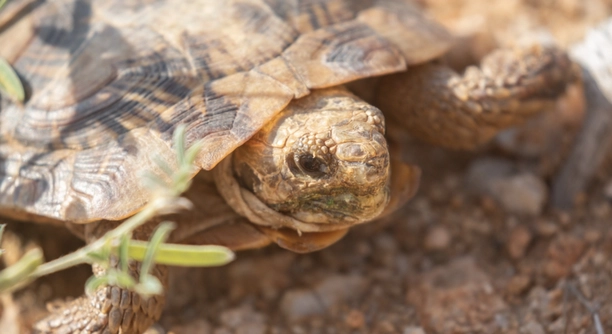
Pancake tortoises are fascinating creatures, and keeping them outdoors can be an enriching experience. However, it’s important to ensure their safety and well-being in an outdoor environment. Proper care and precautions are essential for their survival.
To ensure the safety of pancake tortoises outdoors, it is crucial to implement measures such as providing secure enclosures, protecting them from predators, offering shade, ensuring proper hydration, and preventing exposure to extreme weather conditions. Regular monitoring is essential.
By understanding and applying these safety measures, you can create a secure outdoor environment for your pancake tortoises. Keep reading for more tips on how to properly care for them in their outdoor habitat.
Secure Enclosures to Keep Pancake Tortoises Safe
When housing pancake tortoises outdoors, a secure enclosure is essential to prevent them from wandering off and to protect them from predators. A well-constructed enclosure should have high walls or fencing that are buried a few inches into the ground to avoid escape. The space should be large enough for them to roam but still offer safety from potential threats like other animals or harsh weather.
It’s important to ensure the enclosure is sturdy. You don’t want to risk a breach that could lead to injuries or escape. Use materials like solid wood or mesh with small enough gaps to keep them inside. Regular checks for wear and tear can help maintain its integrity.
A safe outdoor enclosure also allows for the tortoises to bask in natural sunlight, which is crucial for their health. With the right setup, your pancake tortoises will be able to thrive in an outdoor environment.
Providing Shade and Shelter
Shade and shelter are key components to maintaining a safe environment for your pancake tortoises outdoors. Having areas where they can escape the sun’s intense rays will keep them from overheating and dehydrating. A simple structure such as a wooden shelter or a pile of rocks can serve as a cool retreat.
Offering multiple shaded areas in the enclosure ensures that they can choose their preferred spot based on their needs throughout the day.
The shelter should be designed to protect them not only from sunlight but also from sudden weather changes, like rain or wind. Building it with weatherproof materials helps ensure they stay dry and warm.
Protecting Against Predators
Predators can be a significant threat to pancake tortoises when kept outdoors. Ensuring the enclosure is secure helps keep out animals like dogs, raccoons, or birds of prey. Use strong fencing materials that are too tough for animals to tear through. The enclosure should also have a roof or mesh overhead to prevent attacks from above.
You may also want to add natural barriers around the perimeter, such as dense shrubs or thorny plants. These can discourage predators from getting too close. Regularly check for any gaps or weak spots that may develop in the fencing or structure. Small animals can often find ways through unnoticed areas, so remain vigilant.
Tortoises will also feel more secure if there are plenty of hiding spots inside the enclosure. Providing these spaces helps them retreat and feel safe from potential threats. The more sheltered the area, the less likely predators will try to approach.
Providing Proper Hydration
Pancake tortoises need fresh water daily to stay hydrated. While the humidity inside the enclosure helps, offering a water source is essential for their overall health. A shallow dish filled with water can be placed in a shaded area for easy access. Be sure to change the water daily to keep it clean.
For the best hydration, consider adding a water dish that’s low enough for them to reach without drowning but deep enough to allow for soaking. This is important because tortoises often drink by soaking in the water. When they’re well-hydrated, their digestive system functions better, and they’re less prone to health issues.
Besides water dishes, misting the enclosure regularly helps maintain humidity levels, preventing dehydration. This is especially important during the warmer months. Keeping the humidity consistent supports the tortoises’ overall well-being, encouraging them to stay active and healthy.
Avoiding Extreme Weather
Extreme temperatures can be dangerous for pancake tortoises. During hot weather, ensure they have plenty of shaded areas and a cool retreat to prevent overheating. In colder months, they may need additional shelter or indoor care to avoid freezing temperatures.
Keep a close eye on the weather forecast to anticipate any extreme changes. A sudden cold snap or heatwave can stress your tortoises if they aren’t properly prepared. Always have backup plans like moving them into a more controlled environment if necessary. Quick action will help them stay safe during unpredictable conditions.
Regular Monitoring and Maintenance
Consistently checking on the condition of your tortoises’ outdoor setup is crucial. Look for any signs of wear in the fencing, changes in water levels, or anything that might pose a risk to their health. A well-maintained habitat will keep them safe and secure.
It’s essential to perform regular checks to ensure everything stays in good condition. This includes monitoring humidity, cleaning the water dish, and ensuring the shelter remains sturdy. If needed, make adjustments to their environment to improve safety and comfort.
Ensuring Proper Food Supply
Pancake tortoises primarily eat plants, so it’s important to provide them with fresh greens and vegetation daily. You can plant safe, edible plants within the enclosure to give them access to natural food sources. These could include clover, grasses, and weeds.
Avoid using pesticides or herbicides on any plants you put in the enclosure. These chemicals can be harmful to tortoises. If you’re providing store-bought food, make sure it’s safe and fresh. Feeding them a variety of greens helps ensure a balanced diet and supports their health.
FAQ
How can I protect my pancake tortoises from extreme heat?
Providing plenty of shaded areas in their enclosure is the best way to protect them from heat. A combination of natural shade from plants and man-made shelters like wooden huts can help. You may also want to use misting systems to cool down the environment during hot days. Regularly check the temperature inside the enclosure and make sure it stays within a comfortable range for them.
Should I bring my pancake tortoises inside during winter?
Yes, during winter, it’s often a good idea to bring them inside, especially if the outdoor temperatures drop too low. While they are resilient, they can’t handle freezing temperatures. A heated indoor environment or a well-insulated outdoor shelter can protect them from the cold. Always monitor the temperature and adjust accordingly to ensure they stay comfortable.
How much space do pancake tortoises need in an outdoor enclosure?
The size of the enclosure should be large enough to allow them to roam and bask, as they need space to be active. At least 4 to 6 square meters is ideal for a few tortoises. This ensures they have room for food, shelter, and resting areas. Larger enclosures are always better.
What should I do if I see signs of illness in my pancake tortoise?
If you notice any unusual behavior, like lethargy, loss of appetite, or discharge from the eyes, consult a veterinarian immediately. Early intervention can prevent minor issues from becoming serious. Always observe their eating habits, behavior, and physical condition to catch any health problems early.
Can pancake tortoises live with other animals?
It’s generally not recommended to house them with other animals, as pancake tortoises are very territorial and can become stressed by the presence of other species. Even non-predatory animals may cause them distress. However, some owners have had success with similar-sized, non-aggressive reptiles, but it requires careful observation.
What do pancake tortoises eat in the wild?
In the wild, pancake tortoises primarily eat grasses, leaves, and some fruits. They are herbivores that depend on various plants to meet their nutritional needs. You can replicate their diet by offering fresh greens, weeds, and safe plants that you can grow or find locally.
How do I provide proper hydration for my pancake tortoises?
Always have a shallow water dish available. It should be large enough for them to drink and soak in, but shallow enough to prevent drowning. Change the water daily and ensure it’s clean. You can also mist the enclosure to help maintain proper humidity levels, which will further assist in hydration.
Are pancake tortoises active during the day?
Yes, pancake tortoises are diurnal, meaning they are active during the day. They typically spend their time foraging, basking in the sun, or resting in the shelter. Providing them with ample space and opportunities for exercise is essential to maintaining their physical and mental health.
How often should I clean my pancake tortoise’s enclosure?
Cleaning should be done regularly to keep the enclosure free from waste and bacteria. A deep clean every two to three weeks is ideal. Remove any uneaten food daily and scrub down the water dish. A full cleaning involves washing the entire enclosure and replacing the substrate, which helps maintain a hygienic environment.
What type of substrate should I use in the outdoor enclosure?
A good substrate for pancake tortoises is one that can retain moisture, like coconut coir, soil, or a mixture of sand and topsoil. This will help maintain humidity levels and prevent the enclosure from becoming too dry. Make sure the substrate is not too deep, as they are burrowers but need space to move freely.
Do pancake tortoises need UVB lighting?
Yes, UVB lighting is essential for pancake tortoises to process calcium and maintain strong shells. If they are kept outdoors, natural sunlight is sufficient. However, if they are housed indoors, you will need to provide artificial UVB lighting to simulate natural sunlight. Make sure the light is on for about 12 hours a day.
How can I tell if my pancake tortoise is stressed?
Stress in pancake tortoises can show up as changes in behavior, such as excessive hiding, lack of appetite, or lethargy. You might also see them pacing the enclosure or showing signs of aggression if the environment is too small or not suitable for them. If you notice these behaviors, consider adjusting their living space or checking for potential environmental stressors.
Final Thoughts
Caring for pancake tortoises outdoors requires attention to their environment and health needs. Ensuring they have the right space, food, and shelter is key to their well-being. Their natural habitat in the wild is warm and dry, so replicating these conditions is essential for their survival and happiness. Outdoor enclosures should be large enough to allow them to roam, explore, and find food. Additionally, creating areas of shade and shelter from extreme weather will help keep them comfortable year-round. Regularly checking their habitat for damage and keeping it clean will ensure they remain safe and healthy.
Their diet should be carefully planned, with a variety of safe plants and grasses available to them at all times. Ensuring they get the proper nutrients is essential for their growth and the health of their shells. Hydration is another key factor—always provide clean, shallow water for them to drink and soak in. These simple steps help in maintaining their overall health. Regular check-ups and observing their behavior will also help detect any signs of illness early on. If you notice anything unusual, don’t hesitate to consult a veterinarian who specializes in reptiles. Pancake tortoises may be hardy, but they require your attention to thrive.
In conclusion, with the right precautions, pancake tortoises can live happily outdoors. Understanding their needs for space, food, and proper shelter will allow them to thrive in your care. With the proper setup, you can ensure your tortoises stay safe, healthy, and content for many years to come.

Hello,
If you enjoy the content that we create, please consider saying a "Thank You!" by leaving a tip.
Every little bit helps us continue crafting quality advice that supports the health, happiness, and well-being of pets around the world, for pets of all shapes, sizes, and species.
We really appreciate the kindness and support that you show us!