
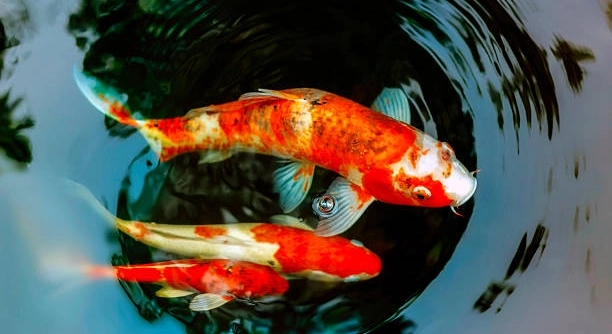
Healthy koi exhibit specific behaviors each morning that contribute to their well-being. Observing these habits can provide insight into their overall health and environment. Understanding these routines is important for anyone caring for koi fish.
Healthy koi typically follow consistent morning habits such as active swimming, proper feeding responses, clean gill movements, and regular interaction with their surroundings. These behaviors indicate optimal physical condition and a well-maintained aquatic habitat.
Recognizing these signs early can help maintain koi health and prevent potential issues in your pond environment. This article outlines seven key morning habits to watch for in healthy koi.
Active Swimming and Exploration
Healthy koi start their mornings with active swimming. This behavior indicates that their muscles and fins are functioning properly. Swimming around the pond also allows them to explore their environment, find food, and exercise. If koi remain still or hide for long periods, it might suggest stress or illness. Regular movement keeps their bodies strong and helps maintain circulation. Observing koi swim freely is one of the easiest ways to assess their health without disturbing them.
Active swimming is a sign of vitality and comfort in their habitat.
In addition to physical benefits, active swimming helps koi regulate their body temperature. Morning swims often occur when the water temperature begins to rise after cooler night conditions. Koi use this time to adjust and prepare for the day ahead. This movement also encourages natural behaviors like foraging. By creating a stimulating environment with plants or varied pond features, koi are more likely to swim actively and stay engaged. A healthy koi pond balances water quality, temperature, and space to support these behaviors consistently.
Proper Feeding Responses
Healthy koi show clear feeding responses in the morning. They eagerly approach feeding areas and quickly recognize the food provided. This behavior demonstrates good appetite and functioning sensory systems. Koi that ignore food or appear lethargic during feeding may be experiencing health issues. Feeding response also reflects the koi’s comfort level with their environment and caretaker routines.
Strong feeding behavior indicates physical health and good water conditions.
Feeding koi at consistent times helps reinforce their natural routines. It is important to provide the right diet in appropriate amounts to avoid overfeeding or malnutrition. High-quality koi food supports their immune system and coloration. When feeding, koi often gather near the surface and may even gently compete for food, showing natural social behaviors. Monitoring their feeding habits regularly allows for early detection of changes that might signal illness or stress. Proper feeding is essential not only for growth but also for koi longevity and happiness.
Clean Gill Movements
Healthy koi display smooth and regular gill movements. This reflects efficient breathing and proper oxygen exchange. Slow or labored breathing can indicate poor water quality or illness.
Proper gill function depends on clean, well-oxygenated water. Koi require water free of pollutants and toxins to maintain efficient respiration. Aeration and filtration systems help ensure adequate oxygen levels, which koi need for their metabolism and energy. Observing gill movements closely can reveal early signs of distress or disease before other symptoms appear. Clear water and proper maintenance are crucial to keeping koi gills healthy.
Maintaining balanced water chemistry supports gill health by preventing irritation and infection. Consistent monitoring of ammonia, nitrite, and nitrate levels can prevent respiratory problems. Regular partial water changes and removing debris from the pond also improve oxygen availability. If koi show abnormal gill movements, testing the water and adjusting filtration can help restore balance. This care preserves koi vitality and prevents serious respiratory issues.
Regular Interaction with Environment
Healthy koi interact consistently with their environment, including plants, pond decorations, and other fish. This behavior shows curiosity and comfort in their habitat. They may nudge objects or swim around structures.
Koi that engage with their surroundings tend to have better mental and physical health. Environmental enrichment stimulates natural behaviors and reduces boredom. Providing hiding spots, plants, and varied pond features encourages exploration and social interaction. A well-structured pond promotes positive behavior and reduces stress-related problems. Interaction with the environment is also a sign that koi feel secure.
Such engagement can be enhanced by varying feeding locations or introducing safe new objects occasionally. Regular interaction helps koi maintain natural instincts and supports emotional well-being. It also allows caretakers to notice changes in behavior that could indicate health concerns early. Overall, koi that regularly engage with their environment demonstrate good adaptability and contentment.
Bright and Clear Eyes
Healthy koi have bright, clear eyes without cloudiness or swelling. Clear eyes reflect good health and proper nutrition. Cloudy eyes may indicate infections or poor water quality.
Regular observation of koi eyes helps detect early signs of illness. Clean water and a balanced diet support eye health and overall well-being.
Smooth and Shiny Scales
Koi with smooth, shiny scales indicate strong health and good skin condition. Dull or damaged scales often point to stress, parasites, or injury. Maintaining water quality and avoiding overcrowding can prevent scale problems.
Regular pond cleaning and careful monitoring promote vibrant, healthy koi skin and scales.
Calm and Balanced Behavior
Calm behavior is typical for healthy koi. They maintain balance in the water, avoiding erratic swimming or floating near the surface for too long. Such behavior indicates proper buoyancy control and comfort in their environment.
Calm koi respond well to feeding and interactions, showing they are healthy and stress-free.
FAQ
How often should I observe my koi’s morning habits?
Observing your koi every morning is ideal, especially during feeding time and when they begin swimming actively. Consistent observation helps you notice subtle changes in behavior or health early. Even brief daily checks can prevent bigger problems by allowing prompt adjustments to care or water conditions.
What signs indicate that my koi might be unhealthy?
Signs include sluggish swimming, loss of appetite, irregular gill movements, cloudy eyes, damaged scales, and erratic behavior like flashing or floating. These symptoms may suggest water quality issues, infections, or stress. Early identification and correction are crucial to maintaining koi health.
Can feeding koi at irregular times affect their habits?
Yes, koi thrive on routine, and irregular feeding can cause stress and disrupt their natural behavior. Consistent feeding times encourage strong feeding responses and active swimming. A regular schedule also helps you monitor koi health more easily.
What type of food is best for morning feeding?
High-quality koi pellets formulated for balanced nutrition are best. During cooler months, wheat germ-based food is recommended because it is easier to digest. Avoid overfeeding, as uneaten food can pollute the water and harm koi health.
How important is water quality for koi’s morning habits?
Water quality is vital. Poor water conditions lead to labored breathing, sluggish movement, and weakened immune systems. Regular testing and maintenance of ammonia, nitrite, nitrate, pH, and oxygen levels keep the environment healthy and support natural morning behaviors.
What should I do if I notice abnormal gill movements?
Check the water quality immediately for oxygen levels and toxins. Increase aeration if necessary. If water parameters are normal, consult a veterinarian to rule out infections or parasites. Prompt action can prevent respiratory failure and improve koi survival.
Why do koi sometimes hide in the morning?
Hiding can be a natural response to perceived threats or stress, such as sudden noises or changes in water quality. However, persistent hiding suggests discomfort or illness. Ensuring a calm environment and proper water parameters helps koi feel secure and active.
How can I encourage koi to swim more actively in the morning?
Provide a spacious pond with hiding spots and varied features to stimulate exploration. Maintain optimal water temperature and quality. Regular feeding times also motivate movement. Active koi display better health and overall vitality.
Are koi social creatures in the morning?
Yes, koi are social and often interact with each other during feeding or swimming. Group behaviors like following one another or gently competing for food indicate good social health. Social interaction helps reduce stress and encourages natural behavior.
What are the risks of ignoring changes in morning habits?
Ignoring changes can lead to delayed detection of diseases or environmental issues. This neglect increases the risk of severe illness, poor growth, or death. Monitoring morning habits regularly supports early intervention and better koi care outcomes.
How does pond maintenance affect koi morning habits?
Proper pond maintenance ensures clean, oxygen-rich water and a safe habitat. Removing debris, controlling algae, and regular filter checks prevent stress and promote healthy morning behavior. Neglecting maintenance often results in poor water quality and abnormal koi habits.
Can temperature fluctuations impact koi morning habits?
Yes, koi are sensitive to temperature changes. Sudden drops or rises can slow metabolism, reduce activity, or cause stress. Stable temperatures support consistent morning swimming and feeding habits. Using pond heaters or shade can help regulate conditions.
What role does lighting play in koi morning routines?
Natural light helps regulate koi circadian rhythms. Morning sunlight encourages activity and feeding. Excessive artificial light or shading can disrupt these patterns, affecting behavior. Ensuring a balanced light environment supports healthy morning habits.
How can I tell if koi are stressed in the morning?
Signs include rapid gill movements, erratic swimming, hiding, loss of appetite, and flashing (scraping against surfaces). Stress results from poor water quality, overcrowding, or sudden environmental changes. Reducing stressors improves koi health and morning behaviors.
Is it normal for koi to be less active during cold mornings?
Yes, koi metabolism slows in cold water, resulting in reduced swimming and feeding. This is natural hibernation-like behavior. Adjust feeding frequency and amount during cold months to prevent digestive issues. Monitoring activity levels remains important for health.
Final Thoughts
Understanding the morning habits of healthy koi provides valuable insight into their overall well-being. These habits reflect how well koi adapt to their environment and indicate the quality of care they receive. Observing their behavior, gill movements, eye clarity, and interaction with the environment can reveal important details about their health. Consistent attention to these signs allows for early detection of potential issues and helps maintain a stable, comfortable habitat for the fish.
Maintaining good water quality and a balanced diet plays a crucial role in supporting these morning habits. Proper filtration, regular water testing, and partial water changes keep the pond environment clean and oxygen-rich. Feeding koi at consistent times with appropriate food ensures their energy needs are met and encourages natural activity. Environmental enrichment, such as adding plants and safe hiding spots, also contributes to their mental and physical health. These factors combined create conditions that allow koi to thrive and exhibit their natural behaviors each day.
Taking the time to understand and support koi morning habits benefits both the fish and the caretaker. Healthy koi demonstrate predictable, calm, and active behavior that is rewarding to watch. The effort invested in maintaining a healthy pond environment reduces stress and illness among the fish. This creates a balanced ecosystem that supports koi longevity and enjoyment. Paying close attention to these simple but important habits fosters a positive relationship between koi and their caretakers, making koi keeping a fulfilling and sustainable activity.

Hello,
If you enjoy the content that we create, please consider saying a "Thank You!" by leaving a tip.
Every little bit helps us continue crafting quality advice that supports the health, happiness, and well-being of pets around the world, for pets of all shapes, sizes, and species.
We really appreciate the kindness and support that you show us!