
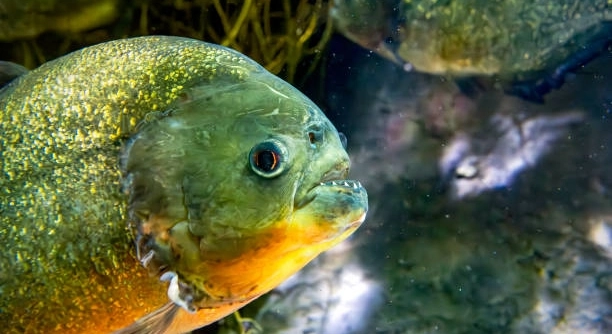
Piranhas are known for their sharp teeth and fierce reputation. Their behavior in the morning can reveal much about their nature and survival instincts. Understanding these behaviors helps to better appreciate their role in aquatic ecosystems.
Piranhas exhibit specific morning behaviors such as increased activity, group hunting tactics, and heightened alertness. These patterns are driven by environmental factors and biological needs to optimize feeding and safety during early hours.
Learning about these morning actions offers insight into piranhas’ daily routines and their adaptations in the wild. This knowledge enhances awareness of how these fish interact with their surroundings.
Early Morning Activity and Movement
Piranhas become noticeably more active in the early morning hours. This increased movement is often related to their need to locate food sources after the night’s rest. As daylight begins to filter into the water, they start to swim around more energetically. This period is essential for their survival, as they prepare for hunting or scavenging. Early activity also helps them reestablish their position within the school, maintaining social order and reducing conflicts. During this time, they remain cautious and alert to threats from larger predators. Movement patterns tend to be more deliberate, focusing on areas with potential food or shelter. This morning routine of moving and exploring plays a key role in their daily life cycle and energy management.
This early activity is a sign of readiness to feed and socialize. It reflects the balance between caution and opportunity that piranhas maintain.
Piranhas’ morning movement helps them maximize their chances of finding food while avoiding dangers. This behavior supports their survival strategy and shows how they adapt to their environment. Their active swimming also aids in oxygen exchange and keeps them physically fit for the challenges of the day ahead. Monitoring these patterns provides insight into their health and well-being in natural habitats.
Group Hunting Tactics at Dawn
Piranhas often hunt in groups during early morning hours.
Group hunting increases their efficiency in capturing prey. Each fish plays a role, coordinating movements to trap and overwhelm targets quickly. This cooperative behavior helps them catch larger or faster prey than they could alone. The early hours are ideal because many prey species are less alert or slower during this time. Group tactics reduce the energy expenditure for individual piranhas and improve feeding success rates. This strategy is particularly important during dry seasons or in areas with scarce food resources. Group hunting also reinforces social bonds within the school, maintaining cohesion and communication through subtle body language and movements.
In these group hunts, piranhas use a combination of speed, surprise, and cooperation to secure food. Their ability to work as a team reflects an evolved survival mechanism that balances individual needs with collective benefits. This behavior is often observed near riverbanks or submerged vegetation, where prey is likely to gather. Understanding this tactic reveals much about their social structure and predatory skills.
Heightened Alertness and Sensory Use
Piranhas are more alert in the morning, relying heavily on their senses. They use sight and smell to detect food and threats around them. This heightened awareness helps them stay safe while searching for prey.
Morning light enhances their vision, allowing piranhas to spot movement quickly. Their sensitive lateral lines detect vibrations in the water, signaling nearby fish or predators. This combination of senses makes them efficient hunters and cautious survivors. Their alertness also helps maintain group coordination, avoiding collisions and ensuring smooth movement.
Alertness is vital for piranhas’ survival. It enables quick responses to changes in their environment and improves feeding success. This morning sensory focus shapes how they interact with each other and their surroundings throughout the day.
Feeding Patterns and Preferences
Piranhas prefer to feed in the morning when prey is most vulnerable. Their feeding involves quick, sharp bites to incapacitate prey before it escapes. This efficiency is necessary due to competition and limited food availability.
During early hours, piranhas target weak or slow-moving prey such as injured fish or smaller animals. They often scavenge as well, taking advantage of leftovers from other predators. Their teeth are designed to tear flesh quickly, minimizing energy spent on each meal. Feeding is generally a group activity, enhancing chances of success. The morning feeding routine sets the pace for their energy levels throughout the day.
This behavior shows piranhas’ adaptability and survival instincts. Their morning feeding maximizes resources and supports their active lifestyle. Understanding these patterns explains much about their role in aquatic food chains and ecosystem balance.
Territorial Behavior in the Morning
Piranhas may show territorial behavior during morning hours. They defend certain areas from intruders, especially near feeding spots.
This behavior helps secure access to food and shelter. Territorial disputes can involve chasing or aggressive posturing but rarely lead to serious injury.
Social Interactions Within the School
Piranhas maintain social bonds through subtle signals like body movements and positioning. These interactions help keep the group coordinated and reduce conflict.
Social order is important to prevent chaos during feeding or movement. Cooperation supports survival and efficiency in daily activities.
Resting Periods After Feeding
After feeding, piranhas often enter brief resting periods. This downtime helps conserve energy and aids digestion.
Rest is vital to maintain their strength for future activity and survival in a competitive environment.
What do piranhas eat in the morning?
Piranhas typically feed on small fish, insects, and occasionally plant material during the morning. They prefer prey that is easier to catch when visibility improves with daylight. Their sharp teeth allow them to tear flesh quickly, making their feeding efficient. Morning feeding often includes scavenging leftover food from other predators.
How do piranhas hunt together?
Piranhas use group hunting tactics to overwhelm prey. By swimming closely and coordinating attacks, they increase their chances of capturing food. This teamwork reduces energy spent individually and allows them to take down larger or faster prey. Group hunting is common during early hours when prey is less alert.
Are piranhas dangerous in the morning?
Piranhas can be aggressive when hungry, especially in the morning as they search for food. However, attacks on humans are rare and usually happen if the fish feel threatened. Their morning behavior focuses on feeding and survival, not on attacking larger animals without cause.
Why are piranhas more active in the morning?
Piranhas increase activity at dawn to optimize feeding opportunities. Early morning conditions, such as light and temperature, encourage movement and hunting. This activity also helps them find food before other predators become more active, ensuring better chances of survival.
Do piranhas rest after feeding?
Yes, after feeding, piranhas often rest to conserve energy and aid digestion. This resting period is crucial for maintaining strength throughout the day. Rest helps balance their active lifestyle, allowing them to prepare for future feeding and social interactions.
How do piranhas communicate in the morning?
Piranhas communicate using body movements, positioning, and subtle signals. These interactions help maintain social order within the group and reduce conflicts. In the morning, communication is important for coordinating group hunting and defending territory.
Do piranhas defend territory in the morning?
Yes, territorial behavior is common during morning hours. Piranhas protect feeding areas or shelters from intruders. This defense ensures access to resources needed for survival. Territorial disputes usually involve chasing or displaying aggressive postures rather than physical fights.
What role does sensory perception play in morning behavior?
Piranhas rely on enhanced sensory perception in the morning. Their vision improves with daylight, while lateral lines detect vibrations. These senses help locate prey and avoid predators. Morning sensory use supports their alertness and hunting efficiency.
Are piranhas solitary or social in the morning?
Piranhas are social fish, especially in the morning when group hunting and movement are common. Social interactions strengthen the school, improve feeding success, and reduce individual risk. Group behavior helps them adapt to environmental challenges effectively.
How does morning behavior affect piranhas’ survival?
Morning behaviors such as increased activity, group hunting, and alertness optimize feeding and safety. These patterns allow piranhas to conserve energy, find food efficiently, and avoid predators. Their adaptations during this time play a key role in their overall survival strategy.
The morning behaviors of piranhas reveal much about how these fish survive and thrive in their environments. Their increased activity at dawn is essential for finding food and staying alert to dangers. Piranhas use this time to coordinate with their group, hunt efficiently, and defend important areas. Understanding these behaviors helps explain why piranhas are often seen as fierce yet highly adapted creatures. Their morning routines are a natural part of their daily survival strategy, shaped by the need to balance energy use with feeding and safety.
Piranhas’ social nature is clear in the way they hunt and interact during the early hours. Group hunting allows them to catch prey more effectively than they could alone. Their ability to communicate through body language and maintain social order reduces conflicts and supports cooperation. This social structure benefits each fish in the school, improving their chances of finding food and avoiding threats. The morning period is when these social behaviors are most evident, showing how important teamwork is to their success in the wild.
Overall, the morning behaviors of piranhas reflect their adaptation to the challenges of their habitat. Their activity, feeding patterns, sensory use, and social interactions all contribute to their survival. These behaviors provide insight into how piranhas function as both predators and members of a group. Recognizing the role of these morning routines adds depth to our understanding of piranhas beyond their reputation. It highlights the balance they maintain between aggression and cooperation, which is key to their place in aquatic ecosystems.

Hello,
If you enjoy the content that we create, please consider saying a "Thank You!" by leaving a tip.
Every little bit helps us continue crafting quality advice that supports the health, happiness, and well-being of pets around the world, for pets of all shapes, sizes, and species.
We really appreciate the kindness and support that you show us!