
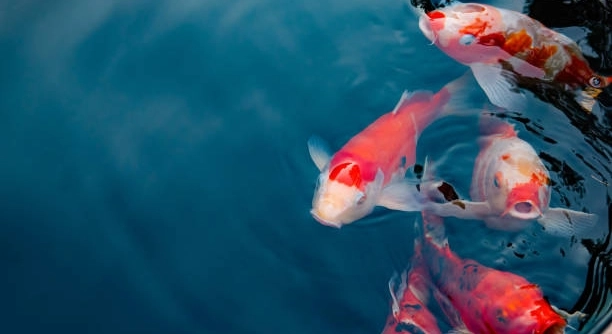
Koi fish sometimes freeze in place, leaving their movements unexpectedly still. This behavior can occur in various situations, from environmental changes to interactions with other fish. Understanding these moments helps owners recognize what their koi are experiencing.
Koi freeze in response to stimuli such as sudden temperature shifts, threats from predators, low oxygen levels, or during rest periods. These moments are natural survival or environmental reactions and can indicate health or habitat concerns requiring attention.
Recognizing these moments provides insight into koi behavior and health. This knowledge can improve how you care for your fish and maintain a balanced pond environment.
Sudden Environmental Changes
Koi are sensitive to changes in their surroundings, especially sudden shifts in water temperature or quality. When the water becomes too cold or too warm quickly, koi may freeze to conserve energy and avoid stress. Similarly, changes in water chemistry, such as a drop in oxygen levels or a rise in harmful substances, cause koi to become still as a protective measure. These sudden changes can happen after heavy rain, introduction of new plants, or when the pond’s filtration system struggles. Monitoring the pond environment closely and making gradual adjustments can prevent these freezes. Observing koi behavior during these changes helps catch potential problems early, ensuring their comfort and health.
Such freezes are usually temporary but signal the need to check water conditions. Preventing abrupt changes maintains koi well-being.
Keeping a stable environment involves regular testing of water temperature and quality. Avoid rapid water replacement or adding chemicals without proper dilution. Introducing pond plants slowly and ensuring the filtration system works efficiently minimizes stress. Maintaining good aeration helps keep oxygen levels consistent. These steps create a safer, more stable habitat that reduces the risk of koi freezing due to environmental fluctuations.
Response to Predators
Koi freeze when they sense danger from predators nearby. This reaction is a natural defense mechanism.
When koi detect a predator, whether it is a bird, raccoon, or larger fish, they often remain motionless to avoid drawing attention. Freezing reduces the chance of being spotted or startled, which can help them survive an encounter. This behavior is more common in koi that live in outdoor ponds exposed to wildlife. Over time, koi may learn to recognize specific threats and respond quickly by freezing or darting to shelter. Providing hiding spots such as plants or underwater structures in the pond can offer koi a safe retreat. It is important to minimize exposure to predators as much as possible. Covering ponds with netting or using decoys can also reduce predator visits. By understanding this response, owners can create a safer environment and reduce stress for their koi.
Regular observation of koi behavior around potential predators helps in identifying risks early. Taking preventive measures ensures koi feel secure and maintain their natural habits without constant fear.
Rest and Recovery
Koi often freeze during rest periods, remaining still to conserve energy. This behavior is normal and part of their natural cycle.
During rest, koi reduce their movement and metabolism, which helps them recover and stay healthy. Freezing in place allows them to remain alert to their environment without wasting energy on unnecessary swimming. This state is similar to sleep in other animals, though koi do not have eyelids. Resting koi may position themselves near the bottom or among plants, where they feel safe and undisturbed. This behavior ensures they maintain their strength for active periods during the day.
Koi resting behavior may vary based on water temperature and lighting. Cooler water tends to slow their metabolism, making rest periods longer and more frequent. In warmer water, koi remain more active but still take short breaks. Understanding their rest patterns helps owners identify normal freezing behavior versus signs of illness or stress. Observing koi in different conditions provides insight into their health and well-being.
Low Oxygen Levels
Koi freeze when oxygen levels in the water drop below a comfortable threshold. This is a common response to poor aeration or overcrowding.
Low oxygen forces koi to conserve energy by reducing movement. When oxygen is scarce, koi remain motionless near the water surface or filter outlets where oxygen concentration is higher. This behavior helps them survive until conditions improve. It is important to monitor oxygen levels regularly, especially during hot weather or after heavy rain. Aerators, fountains, or water pumps can increase oxygen supply effectively.
Prolonged low oxygen exposure harms koi health, causing stress and making them vulnerable to disease. Overcrowded ponds and decaying organic matter worsen oxygen depletion. Maintaining proper pond size, limiting fish numbers, and regular cleaning reduce the risk. Promptly addressing oxygen issues prevents freezing behavior caused by environmental stress and ensures koi stay active and healthy.
Sudden Loud Noises
Koi may freeze in response to unexpected loud noises near the pond. This reaction is a natural defense to sudden disturbances.
The stillness helps koi avoid drawing attention while assessing potential threats. Once the noise subsides, they typically resume normal activity.
Illness or Injury
When koi experience illness or injury, freezing can be a sign of distress. Fish that are sick or hurt may reduce movement to conserve energy and avoid worsening their condition. Common illnesses like infections or parasites can cause lethargy and freezing behavior. Injuries from sharp objects or aggressive tank mates also lead to stillness as koi attempt to heal. Monitoring koi for additional signs, such as discoloration or abnormal swimming, is important. Early detection and treatment improve recovery chances. Providing clean water and a stress-free environment supports healing and reduces prolonged freezing caused by health issues.
Overfeeding
Overfeeding can cause koi to become sluggish and freeze more often. Excess food leads to poor water quality and discomfort for the fish.
Why do koi freeze suddenly without any visible reason?
Koi sometimes freeze without an obvious cause because they are highly sensitive to subtle changes in their environment. Minor shifts in water temperature, slight vibrations, or unseen predators can trigger this behavior. Koi rely heavily on their instincts to stay safe, so freezing is a natural reaction even when the threat is not obvious to humans. It is important to observe their environment carefully for any factors that might cause stress, such as equipment noise, shadows, or sudden movements nearby. Consistent water quality and stable conditions usually reduce these unexplained freezes.
Is freezing always a sign of health problems in koi?
Freezing is not always linked to health issues. Koi often freeze as a natural response to resting, environmental changes, or potential danger. However, if freezing is accompanied by other symptoms like loss of appetite, discoloration, or abnormal swimming, it may indicate illness or injury. Monitoring koi behavior over time helps differentiate between normal freezing and signs of distress. Regular pond maintenance and water testing support koi health and can prevent freezing caused by poor conditions.
How long can koi safely remain frozen in place?
Koi can remain frozen for short periods, ranging from a few seconds to several minutes, depending on the cause. Resting koi might stay still for longer periods as part of their natural recovery cycle. Freezing due to stress or environmental factors is usually brief. Prolonged freezing lasting hours or days is a cause for concern and suggests possible health problems or poor water quality. Immediate water testing and health checks are recommended if koi remain motionless for extended times.
Can koi freezing behavior be prevented?
Some freezing behaviors can be minimized by maintaining a stable and healthy pond environment. Avoid sudden temperature or water quality changes, provide adequate oxygenation, and protect the pond from predators. Proper feeding habits and regular cleaning reduce stress that may cause freezing. While some natural freezing as a defense or rest cannot be prevented, reducing external stressors helps koi feel secure and more active. Regular observation is key to identifying and addressing any freezing triggers promptly.
Does freezing mean koi are cold or uncomfortable?
Freezing does not always mean koi are cold or uncomfortable, but temperature is a common factor. Sudden drops or rises in water temperature can cause koi to freeze as a survival response. Koi prefer gradual temperature changes and stable conditions. If freezing happens during cold weather or after adding cold water, temperature discomfort is likely. Ensuring proper pond heating or shade during extreme weather reduces temperature-related freezing.
Are koi more likely to freeze at certain times of day?
Koi are more prone to freeze during early morning or late evening when water temperature is cooler, and activity levels drop. They also freeze during rest periods throughout the day. This behavior is part of their natural cycle and not necessarily a sign of stress. Freezing is less common during warmer parts of the day when koi are more active and feeding. Understanding these patterns helps distinguish normal freezing from problematic behavior.
What should I do if my koi freeze for a long time?
If koi remain frozen for an unusually long time, start by checking water quality parameters like oxygen levels, ammonia, and temperature. Poor water conditions often cause stress leading to extended freezing. Inspect the koi for signs of illness or injury and separate any affected fish if possible. Improving aeration, performing partial water changes, and maintaining clean water support recovery. Consult a fish health specialist if freezing continues despite environmental improvements.
Can freezing be caused by pond predators?
Yes, koi freeze to avoid detection when they sense predators nearby. This natural defense helps reduce movement and visibility. Predators include birds, raccoons, or larger fish. Providing hiding places and using protective netting can reduce predator encounters. Minimizing predator stress decreases the frequency of freezing caused by fear.
Does overfeeding influence koi freezing?
Overfeeding affects water quality and koi health, which can cause koi to become sluggish and freeze more often. Excess food decays, increasing ammonia and reducing oxygen, stressing the fish. Feeding only what koi consume quickly and removing uneaten food improves water conditions and reduces freezing triggered by poor habitat.
Is koi freezing related to their social behavior?
Koi sometimes freeze when interacting with other fish, especially if they feel threatened or intimidated. Freezing is a way to avoid confrontation or show submission. Social stress within the pond may increase freezing episodes. Ensuring enough space and hiding spots reduces social tension and helps koi stay active.
Freezing behavior in koi is a natural and common response to various situations in their environment. It often serves as a protective mechanism or a way to conserve energy during rest. Observing koi freeze in place does not always mean there is a problem, but it is important to understand the different reasons behind this behavior. Factors such as changes in water temperature, low oxygen levels, sudden noises, or even resting patterns can cause koi to freeze temporarily. Recognizing when this behavior is normal and when it may indicate a concern is key to maintaining the health and well-being of koi fish.
Monitoring koi regularly and paying attention to their environment helps distinguish normal freezing from signs of stress or illness. Poor water quality, injury, or disease can cause koi to freeze more frequently or for longer periods. Ensuring clean water, proper aeration, and balanced feeding routines minimizes stressors that lead to abnormal freezing behavior. Providing adequate hiding spots and reducing loud disturbances also contributes to a calm and secure habitat. Taking these measures supports koi health and allows them to display natural behaviors without unnecessary stress.
Understanding koi freezing behavior improves how owners care for their fish and maintain their pond environment. Freezing can indicate important changes in water conditions or fish health that require attention. By creating stable, comfortable living conditions and addressing any issues promptly, koi owners can reduce freezing caused by external factors. This care results in healthier koi that remain active and thrive in their aquatic environment. Regular observation and maintenance are essential components of responsible koi keeping and contribute to the overall success of any pond setup.

Hello,
If you enjoy the content that we create, please consider saying a "Thank You!" by leaving a tip.
Every little bit helps us continue crafting quality advice that supports the health, happiness, and well-being of pets around the world, for pets of all shapes, sizes, and species.
We really appreciate the kindness and support that you show us!