
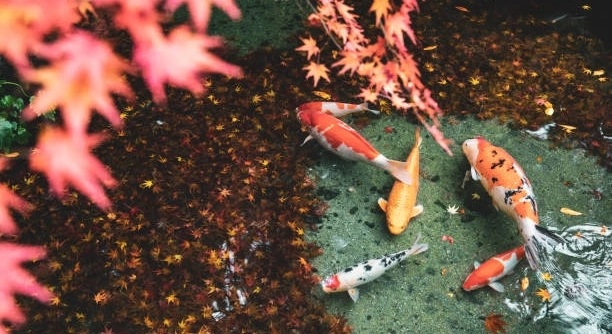
Koi fish are known for their graceful swimming and vibrant colors. Sometimes, they explore the edges of their ponds, showing behaviors that catch the eye of observers. These moments reveal interesting patterns in koi habits and movement.
Koi explore pond edges during feeding, resting, or social interactions. Edge exploration can also occur due to environmental factors like water temperature, oxygen levels, or seeking shelter. These behaviors highlight how koi adapt and interact with their surroundings.
Recognizing these moments helps koi owners better understand their fish and maintain a healthy pond environment. Observing edges can reveal more about koi comfort and behavior patterns.
When Koi Approach the Pond’s Surface Edge
Koi often swim near the pond’s surface edges, especially during feeding times. This is where food is most likely to be found, as owners usually scatter pellets or flakes here. The edges provide a safe spot for koi to gather without feeling overwhelmed by open water. In these moments, koi may gently nibble on floating plants or algae growing near the edges. They tend to be calm but alert, sensing any movement above the water. The light at the surface can also attract insects, giving koi a natural snack. Sometimes, koi come close to the edge to investigate sounds or ripples from outside the pond. This behavior is quite common and shows their curiosity. Watching koi at the surface edge can be a peaceful experience, revealing their natural feeding habits and social behavior in a familiar environment. It is a subtle but important part of their daily activity.
Edges at the surface are crucial zones where koi meet both food and other fish, creating mild competition and interaction.
Understanding koi behavior at the surface edge allows for better feeding practices and improves pond management. Adjusting feeding locations can encourage healthier koi activity and reduce stress. This also helps owners keep track of koi health by observing how eagerly they come to the edge. Changes in this behavior may signal water quality issues or illness. Koi near the surface edges enjoy higher oxygen levels, which is important during warmer months. Providing floating plants around these edges can offer shelter and reduce direct sunlight, making koi feel safer. Overall, the surface edge is a vital area for koi comfort and sustenance in any pond setting.
Exploring the Bottom and Side Edges of the Pond
Koi frequently explore the bottom edges and corners of ponds, often searching for food or shelter.
At the pond’s bottom edges, koi tend to forage for fallen debris or small insects. These areas often have more hiding spots due to plants, rocks, or shaded spots. The bottom edges can be cooler and offer refuge during hot days. Koi also use these edges to avoid aggressive fish or to rest away from strong currents. When exploring side edges, koi seem to investigate the pond’s boundary, sometimes brushing against the walls or rocks. This might help them detect changes in water conditions or check for safe spaces. Some koi may even rub themselves on rough surfaces to remove parasites or dead skin. This natural behavior supports their health. Observing koi along these edges gives insights into their comfort and environmental needs. Regular cleaning and gentle maintenance of these edges keep the pond inviting and safe for koi activity.
Koi Near Water Plants
Koi often explore edges near water plants to find food and shelter. These areas provide hiding spots and attract insects, making them popular with koi.
Water plants create a natural habitat where koi feel secure. They nibble on leaves and search for small creatures living among the plants. The roots offer places to hide from predators and strong water currents. Koi also enjoy the shade plants provide, which helps regulate water temperature. However, overgrowth can limit swimming space, so regular pond care is important. Watching koi interact with plants reveals their natural instincts and needs.
Plants at pond edges also improve water quality by absorbing excess nutrients. This keeps the environment healthy for koi. Plant roots break down waste and help prevent algae blooms, supporting clearer water. The combination of food, shelter, and cleaner water makes plant edges a vital part of koi habitats. Properly managing these plants encourages koi to explore and thrive in their pond space.
Koi at Pond Corners
Pond corners are favorite spots for koi to rest and explore quietly. These edges often have less disturbance and more cover.
Koi use pond corners as calm retreats where they feel protected from open water and sudden movements. Corners tend to have cooler temperatures due to limited sunlight and may accumulate leaves or detritus, providing natural food sources. These spots also reduce stress for shy koi or those recovering from illness. Owners often notice koi lingering in corners during hot or bright days, as these areas offer refuge. Understanding this behavior can help in designing ponds with more comfortable spaces.
Maintaining clean corners ensures koi have safe areas to explore without risk of injury from debris. Regular checks prevent buildup that could harm water quality. Creating gentle slopes or adding smooth stones at corners helps koi move easily and avoid sharp edges. Overall, pond corners play an important role in koi well-being and daily routines.
Koi Near Pond Filters
Koi sometimes gather near pond filters where water flows back into the pond. The movement and bubbles seem to attract their attention.
Filters also create areas with higher oxygen levels, making them comfortable spots for koi to rest. The gentle current can feel soothing to them.
Koi Along the Pond Wall
Koi often swim close to pond walls, following the boundary as they explore. This behavior helps them stay oriented within their environment. Swimming near walls also allows koi to find shelter and places to rub against for cleaning.
Koi at Shallow Edges
Shallow edges are favorite spots where koi can feed on insects and algae easily. These areas are warmer and provide good access to natural food sources.
Why do koi explore the edges of the pond?
Koi explore the edges of the pond mainly to find food, shelter, and comfort. The edges often provide natural hiding spots and cooler water during hot days. These areas attract insects and algae, which koi enjoy eating. Additionally, koi feel safer near boundaries where they can avoid open water and potential threats. The edges are also places where water flow, temperature, and oxygen levels can be different, so koi may explore these zones to find the best conditions for resting or socializing.
Is it normal for koi to spend a lot of time near the pond edges?
Yes, it is normal. Koi spend time near the pond edges to rest, search for food, or escape from aggressive fish. They often feel more secure near plants, rocks, or corners where they have shelter. Watching koi at the edges can give clues about their health and environment. If koi suddenly avoid edges or behave oddly, it could mean water quality issues or stress.
Can koi get stuck or hurt near pond edges?
Koi rarely get stuck if the pond edges are designed properly. Sharp or rough surfaces can cause injuries, so smooth stones or rounded edges are better. Shallow or narrow spaces should be checked regularly to prevent koi from getting trapped. Keeping edges clean and free of debris also helps koi move safely.
Do koi prefer certain edges more than others?
Yes, koi often prefer edges with plants, shade, or gentle water flow. These areas offer food, shelter, and comfortable temperatures. Koi may avoid edges with strong currents, poor water quality, or too much sunlight. Providing varied edge environments encourages koi to explore and stay healthy.
How can I encourage koi to explore pond edges?
Make the edges inviting by adding plants, smooth rocks, and hiding spots. Avoid sharp objects or clutter that might scare koi. Feeding near the edges can also attract koi to explore these areas more often. Regular cleaning and maintenance keep edges safe and comfortable for koi activity.
What signs show koi are stressed near pond edges?
If koi suddenly avoid edges, hide more than usual, or stop eating, it may signal stress. Other signs include rubbing against rough surfaces or erratic swimming. Stress can result from poor water quality, temperature changes, or overcrowding. Monitoring koi behavior at edges helps detect problems early.
How do environmental factors influence koi edge exploration?
Water temperature, oxygen levels, and light affect koi activity near edges. Cooler edges or shaded areas attract koi during hot weather. Edges with higher oxygen from water flow or plants are preferred for resting. Seasonal changes may shift koi behavior, causing them to use different edges at different times.
Can koi damage pond plants at the edges?
Koi nibble on some plants but usually do not cause serious damage if the plant choice is suitable. Hardy plants that tolerate nibbling and koi movement work best. Too many koi in a small pond can lead to more plant damage, so balancing fish numbers and plant types is important.
Do koi use pond edges for social behavior?
Yes, edges can be gathering spots where koi interact peacefully or establish hierarchy. They may swim together near edges to feed or rest. Social interactions at edges can be calmer compared to open water where competition is higher. Observing these moments can reveal much about koi relationships.
Are there risks to koi exploring pond edges during winter?
In cold weather, koi may explore edges less and stay near deeper, warmer water. Shallow edges can freeze, posing risks. It is important to ensure pond edges do not trap koi under ice or block their access to oxygen. Proper winter pond care protects koi during this time.
Koi exploring the edges of their pond is a natural behavior that serves many purposes. These edges offer koi places to find food, rest, and feel safe. Whether near plants, corners, or shallow spots, koi use these areas to meet their basic needs and stay comfortable. Understanding why koi are drawn to the edges helps pond owners provide a better environment for their fish. When koi explore these zones, it can be a sign they are healthy and curious, which is good to see. Edges are important parts of a pond, not just empty spaces, but active places where koi spend time and interact with their surroundings.
Keeping pond edges safe and inviting is key to encouraging koi to explore them without harm. Smooth surfaces, proper plants, and clean water all contribute to a better habitat. Edges that are well maintained help prevent injuries and stress in koi. It is also important to watch koi behavior near edges, as changes can signal health or water quality problems. Providing diverse edge environments like shaded areas, gentle currents, or hiding spots gives koi options and keeps them comfortable throughout the year. Paying attention to these details ensures koi enjoy their pond and live longer, happier lives.
Finally, watching koi explore the edges can be a rewarding experience. It shows how adaptable and intelligent they are as fish. These moments reveal their natural habits and help owners connect more closely with their pond. By supporting koi exploration of edges with proper pond design and care, owners create a healthier space that benefits both the fish and the overall pond ecosystem. Taking time to observe and learn from koi behavior encourages better care practices and a deeper appreciation of these beautiful creatures. Edges are more than just boundaries—they are active parts of koi life.

Hello,
If you enjoy the content that we create, please consider saying a "Thank You!" by leaving a tip.
Every little bit helps us continue crafting quality advice that supports the health, happiness, and well-being of pets around the world, for pets of all shapes, sizes, and species.
We really appreciate the kindness and support that you show us!