
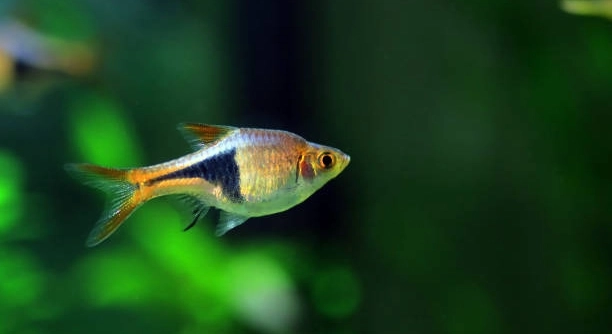
Do your rasboras display curious behavior that leaves you wondering whether they feel confident in their surroundings or just unsettled?
Rasboras reveal confidence through steady swimming patterns, vibrant coloration, active schooling, and bold interaction with their environment. These behaviors indicate comfort and security, reflecting a well-balanced aquarium and minimal stress within the community tank.
From subtle movements to active group dynamics, each moment offers a window into their peaceful and secure underwater world.
Steady Swimming in Open Spaces
Rasboras that swim calmly in open areas are showing confidence in their environment. They’re not hiding or darting around, which would signal stress. When comfortable, they move smoothly in the mid-level zone of the tank. This ease in movement suggests they feel safe and free from threat. If they’re frequently swimming near the front of the tank or in the open without hesitation, it’s a positive sign. Their relaxed pace and balanced motion show they are not fearful or defensive. It also means the tank conditions—like water quality, temperature, and lighting—are likely well maintained and consistent, helping them thrive.
Swimming in open water isn’t just about movement; it’s also a form of communication. It shows they’re not afraid to be seen, and they feel no need to retreat to hiding spots.
You can often observe this during feeding time or shortly after the lights come on. A rasbora that swims out confidently without delay shows it trusts its surroundings and feels little stress. A sudden change in this behavior, however, may suggest something in the tank has shifted, whether it’s a new addition, a water imbalance, or an increase in noise or vibrations near the tank. Confidence begins with a safe and predictable setting.
Schooling in Sync
Schooling tightly with others reflects their strong sense of stability and belonging. When all rasboras swim in a tight, rhythmic formation, it signals security.
This synchronized movement is one of the clearest signs of a calm and comfortable group. Rasboras are naturally social fish that rely on the presence of others for direction and reassurance. A confident rasbora doesn’t just swim near its group—it swims in harmony with it. This behavior shows up most clearly in stable, stress-free environments where tank mates are peaceful and water conditions are consistently managed. When rasboras are confident, their schooling appears fluid and relaxed, not rushed or disorganized.
If you notice gaps between fish or individuals lingering away from the group, that may point to discomfort or something off in the tank. Light changes, aggressive tank mates, or sudden noise can affect their cohesion. A confident rasbora wants to be part of the school and feels at ease swimming shoulder to shoulder with its companions. Watching them move together as one is not just beautiful—it’s also a sign that they feel completely secure.
Vibrant Coloration Throughout the Day
Consistent, bright coloration in rasboras often means they feel at ease. Stress usually dulls their colors, while confidence allows their natural hues to shine. You’ll notice the difference most during daylight hours when their environment feels stable and predictable.
Color changes in rasboras can be subtle but meaningful. Confident fish maintain their color throughout the day without fading or patchiness. If their scales stay vibrant, it suggests they’re comfortable with their surroundings and not reacting to hidden stressors. Poor lighting, sudden tank changes, or fluctuating temperatures can mute their appearance. But in a stable tank, their true colors show clearly. When rasboras feel secure, their natural red, silver, or orange tones remain rich, especially when swimming with their group. It’s a visual cue that everything around them feels safe.
Over time, color consistency becomes a reliable sign of emotional stability. A rasbora’s tone often deepens when it’s confident—especially during feeding or social interaction. You may see richer shades after water changes or when they’re exploring new plants or decor. On the other hand, faded coloration or a loss of vibrancy may suggest discomfort. If one rasbora remains pale while others glow, it might need closer attention. Color reflects more than beauty—it mirrors comfort.
Feeding Without Hesitation
Rasboras that swim directly to food and begin eating without delay show trust in their environment. Confident fish feed without watching from a distance or waiting for others. Hesitation often signals stress or insecurity in the tank.
When rasboras feel safe, feeding becomes immediate and social. They gather in open spaces and begin eating as soon as food hits the water. This response shows they are healthy and not afraid of competition or perceived threats. A fish that eats alone, or lingers at the bottom, may not feel as secure. Confidence in feeding also shows that tank conditions are balanced—no sharp lighting, no excessive noise, and no sudden movement. A healthy appetite goes hand in hand with emotional stability. Rasboras that feed eagerly and often are usually in good health, surrounded by consistent routines and familiar tank mates. Feeding behavior is one of the simplest ways to spot quiet confidence in action.
Exploring New Tank Decor
Confident rasboras approach new plants or structures without hesitation. They may swim through openings, circle around ornaments, or gather near added features. This curiosity shows they feel safe enough to explore changes instead of hiding or avoiding them altogether.
If they remain active around new items after a short adjustment period, it’s a positive sign. Rasboras that explore rather than retreat show trust in their space. Quick adaptation also reflects stable conditions, as stressed fish typically avoid novelty. Confidence often appears through small actions like gliding through plants or hovering near a new rock.
Resting Without Hiding
Rasboras sometimes rest in still water or among plants, and when confident, they do so without completely disappearing. They don’t wedge themselves behind filters or stay hidden for long periods. Calm, open-area resting shows they’re not feeling threatened or anxious about their surroundings.
Calm Reactions to Movement
Confident rasboras stay composed when people move nearby or when the room shifts slightly in noise or lighting. Instead of darting away or hiding, they keep swimming or pause briefly without panic. This calm reaction is a strong sign of trust in their environment.
FAQ
How can I tell if my rasboras are stressed instead of confident?
Stressed rasboras often hide, dart quickly across the tank, or isolate themselves from the group. You may also notice color fading, refusal to eat, or hovering near the surface or bottom for extended periods. Their schooling may become disorganized, or individuals may break away entirely. These changes are usually responses to discomfort, such as poor water conditions, sudden noise, aggressive tank mates, or abrupt changes in lighting. Confident rasboras, on the other hand, remain active, swim smoothly in open spaces, and maintain their group behavior. Monitoring subtle shifts in routine helps you catch stress signs early.
What water conditions support rasbora confidence?
Consistent water quality plays a major role. Ideal conditions include a temperature range between 72–78°F, a pH level between 6.0–7.5, and soft to moderately hard water. Stable parameters reduce stress and allow rasboras to behave naturally. Perform regular water changes, avoid sudden fluctuations, and always treat new water before adding it. Overcrowding and high ammonia or nitrate levels can disrupt their comfort quickly. Calm lighting and proper filtration also contribute to a secure environment. When their surroundings are stable, rasboras show more vibrant coloration and engage freely with their school and space.
Do rasboras become more confident with tank mates?
Yes, but only when the tank mates are peaceful and compatible. Rasboras do well in community tanks with calm species like neon tetras, corydoras, or small peaceful gouramis. Aggressive or territorial fish can intimidate them, causing shyness or stress. When paired with suitable companions, rasboras become more interactive and visible. They tend to explore more, feed readily, and maintain tight schooling behavior. Introducing too many tank mates at once, however, can lead to territorial tension, so additions should be gradual. Compatibility and tank size are key to supporting group confidence and individual calmness.
Why do my rasboras lose their color at night?
This is normal. Rasboras often appear duller at night or during rest. Their coloration fades slightly as part of their natural rhythm. This change helps them avoid detection by predators in the wild. Once the lights come on and they resume activity, their colors usually return to full brightness. However, if the color doesn’t come back or stays pale throughout the day, check for water quality issues or tank stressors. Color should be consistent during their active hours. A persistent dull tone may signal discomfort, illness, or fear within the tank.
Can rasboras gain confidence over time?
Absolutely. Rasboras may act shy or uncertain when first introduced to a new tank, but with steady conditions and gentle care, they usually become more comfortable. Within a few days to weeks, you’ll see them venturing into open water, schooling tightly, and feeding without delay. Giving them a stable setting, proper hiding spaces, and time to adapt allows their natural confidence to emerge. Avoid chasing them or tapping the glass, as sudden movements can reset their trust. Slow, quiet surroundings encourage faster adjustment and stronger daily behavior.
How many rasboras should I keep for a confident school?
Six is often considered the minimum, but groups of eight or more show stronger schooling and more relaxed behavior. Rasboras are highly social fish that rely on group presence for safety and guidance. Smaller groups may result in nervous behavior or isolation. Larger schools help them feel more secure, encouraging open swimming and group exploration. Make sure the tank is spacious enough to support a full group, and keep decor minimal to avoid tight or cluttered areas. A confident rasbora school thrives on unity and space.
Final Thoughts
Rasboras are peaceful fish that show their confidence through simple, everyday behaviors. When they swim calmly in open spaces, stay close to their school, and show bright, even coloration, they are likely feeling secure. You don’t need complex equipment or constant changes to support their well-being. In most cases, stability and quiet attention to their needs are enough. Confidence in rasboras comes from knowing their surroundings are safe, familiar, and free of stress. Their small actions—how they explore, feed, and rest—offer clear signs of how they feel in the tank.
As you observe your rasboras over time, you’ll begin to recognize what feels normal for them. They tend to follow daily patterns. When those patterns shift, it may point to stress or discomfort, but it doesn’t always mean something serious is wrong. A calm approach to care helps you make small adjustments when needed. Whether it’s checking water levels, spacing out feeding times, or reducing movement around the tank, small steps make a noticeable difference. A consistent environment builds trust, and trust leads to more natural behavior. The more settled they feel, the more you’ll see them swim confidently and behave in ways that reflect comfort.
Each rasbora has a role in the group. Their behavior is connected to how safe the whole school feels. This is why keeping enough of them and maintaining a peaceful tank setup matters so much. It’s not just about individual fish—it’s about the group dynamic. A confident school moves together, reacts calmly, and stays active. With patience and care, your rasboras will reward you with quiet moments of beauty and balance. Their confidence isn’t loud, but it’s always there for those who take the time to watch. Keeping things simple, steady, and calm is the best way to support their natural rhythm.

Hello,
If you enjoy the content that we create, please consider saying a "Thank You!" by leaving a tip.
Every little bit helps us continue crafting quality advice that supports the health, happiness, and well-being of pets around the world, for pets of all shapes, sizes, and species.
We really appreciate the kindness and support that you show us!