
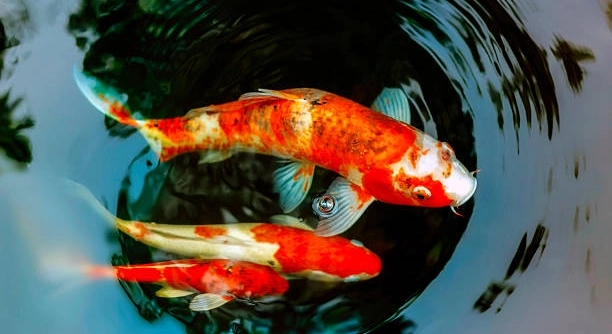
Koi fish display a variety of behaviors that reflect their mood and well-being. Observing these behaviors can help owners better understand their koi’s emotional state and health. Knowing how to read these signs is important for maintaining a healthy pond environment.
Koi exhibit specific moments such as changes in swimming patterns, fin movements, and body posture that indicate their mood instantly. Recognizing these behaviors allows for timely intervention and ensures the koi’s physical and psychological health is supported effectively.
Identifying these key moments can enhance your ability to care for koi properly. This knowledge promotes a stronger connection between owner and fish and helps maintain a balanced aquatic setting.
Sudden Changes in Swimming Speed
Koi usually swim calmly and steadily around the pond. When they suddenly speed up or slow down without a clear reason, it often shows a shift in their mood or health. A rapid burst of speed can indicate stress or fear, possibly caused by nearby disturbances or sudden noises. On the other hand, unusually slow movement or frequent stops might signal discomfort, illness, or lack of energy. It is important to watch for these changes consistently, as koi may not always show obvious signs of distress. These subtle cues help alert the owner to possible environmental issues, like poor water quality or overcrowding. Adjusting the surroundings or checking water parameters often helps improve their comfort. Observing swimming speed variations regularly strengthens your ability to detect problems early and keep koi healthy and calm in their habitat.
Sudden changes in swimming speed reflect koi’s immediate response to their environment and internal state.
Tracking these speed shifts helps maintain a stable and healthy pond atmosphere, benefiting the koi’s overall well-being. Consistent monitoring can prevent small issues from becoming serious.
Fin Position and Movement
Koi fins provide clear signals about their current mood and health.
Fins held tightly against the body usually indicate stress or illness, while relaxed and spread fins suggest comfort and calmness. If the fins are clamped or showing signs of damage, it can be a sign of water quality problems or parasites. Constant fin fluttering might reveal irritation or anxiety. It is important to inspect fins regularly, not only to understand mood but also to catch early symptoms of disease. Keeping the pond clean and well-filtered helps koi maintain healthy fins. Changes in fin behavior are often among the first noticeable signs that koi need attention. Understanding these signs supports timely care and creates a safer environment for the fish. Regular observation of fin movement improves your ability to respond quickly to koi needs and keeps them thriving.
Changes in Appetite
A koi’s appetite can quickly reflect its mood or health condition. Loss of interest in food often signals stress or illness.
Koi usually eat eagerly, so a sudden decrease in feeding is a clear sign something is wrong. This change may result from poor water conditions, parasites, or stress caused by overcrowding or predators. Sometimes, koi may stop eating before showing other symptoms, making this an early warning. Offering high-quality, fresh food and ensuring a clean environment can help restore appetite. Monitoring feeding habits regularly helps detect mood shifts and prevent serious health problems.
On the other hand, excessive eating or frantic feeding behavior might indicate anxiety or competition within the pond. Koi that eat too quickly may risk digestive issues or injury. Observing and adjusting feeding routines ensures koi remain healthy and comfortable.
Interaction with Other Koi
Koi social behavior often reveals their mood clearly.
Peaceful interactions and swimming together usually mean koi are relaxed and comfortable. Aggressive chasing or hiding from others signals stress or discomfort. Dominance fights can occur during feeding or mating seasons, reflecting mood changes linked to territory or hierarchy. Constant bullying may harm weaker fish physically and emotionally, so it’s important to observe group dynamics carefully. Providing enough space and hiding spots reduces tension and promotes calmer interactions. When koi engage positively, they display active, flowing movements and synchronized swimming, showing contentment. Recognizing these social cues allows for better management of the pond environment to support koi well-being and reduce stress.
Color Changes
Koi colors often shift according to their mood or health.
Dull or faded colors can indicate stress, poor water quality, or illness. Vibrant colors usually mean the koi is healthy and comfortable.
Surface Breathing
Koi coming to the water surface frequently to breathe can signal low oxygen levels or stress. Monitoring this behavior helps identify environmental issues that need correction.
Resting Behavior
Koi resting quietly near the bottom or in shaded areas is normal and shows comfort. Excessive inactivity or floating listlessly might indicate illness or poor water conditions. Observing resting patterns is essential for early health detection.
What causes sudden changes in koi behavior?
Sudden behavior changes in koi are often caused by environmental stressors such as poor water quality, temperature fluctuations, or the presence of predators. Illness or parasites can also lead to unusual swimming patterns, loss of appetite, or hiding. Stress from overcrowding or aggressive tank mates affects mood significantly. Monitoring water parameters and pond conditions regularly is key to preventing these issues.
How can I tell if my koi is stressed?
Signs of stress include rapid or erratic swimming, clamped fins, loss of appetite, and changes in color or breathing. Stress can also cause koi to isolate themselves or show aggression towards others. Maintaining clean water, providing adequate space, and avoiding sudden changes in the environment helps reduce stress levels.
Why do koi sometimes stop eating?
Koi may stop eating due to stress, illness, or poor water quality. Seasonal changes can also affect appetite, especially in colder months when their metabolism slows down. Checking water conditions and observing for signs of disease helps identify the cause. Offering high-quality food in small amounts can encourage feeding.
What does it mean if my koi’s fins are clamped?
Clamped fins usually indicate discomfort or illness. This behavior often results from poor water conditions, parasites, or bacterial infections. It can also signal stress from overcrowding or bullying by other fish. Regular water testing and observation can help catch the problem early and improve koi health.
Is it normal for koi to change color?
Koi color changes can be natural, especially as they age or during different seasons. However, sudden dullness or fading might indicate stress, poor water quality, or illness. Ensuring a balanced diet and clean water supports vibrant coloration. Any abrupt or unusual color shifts should be investigated promptly.
How much space do koi need to stay calm?
Koi need ample space to swim freely and reduce stress. A minimum of 250 gallons per adult koi is recommended. Overcrowding leads to aggression and health issues. Proper pond size, along with good filtration and aeration, contributes to a peaceful environment.
Can koi mood affect their health?
Yes, a koi’s mood impacts its immune system and overall health. Stressful conditions weaken immunity, making them more vulnerable to infections. Calm, comfortable koi tend to thrive and heal faster. Maintaining a stable environment reduces stress and promotes long-term health.
What should I do if my koi shows signs of illness?
If koi exhibit symptoms like lethargy, loss of appetite, clamped fins, or abnormal swimming, test water quality immediately. Isolate the affected fish if possible and consult with a vet or fish health expert for diagnosis and treatment. Early intervention is crucial for recovery.
How often should I check on my koi’s behavior?
Daily observation is ideal to spot any mood or health changes early. Even brief checks can reveal important signs like changes in swimming, feeding, or social interaction. Consistent monitoring helps maintain a healthy pond and prevents problems from escalating.
Are koi sensitive to changes in their environment?
Koi are sensitive to sudden shifts in water temperature, pH, and oxygen levels. These changes can cause stress and mood shifts. Gradual adjustments and stable water conditions are essential to keep koi calm and healthy. Proper pond maintenance minimizes risks.
Understanding koi mood through their behavior is an important part of caring for these beautiful fish. Observing how they swim, interact, and respond to their environment provides valuable clues about their well-being. Koi do not use words to communicate, so paying attention to small signs can help owners detect problems early. Recognizing changes in swimming speed, appetite, fin position, and social behavior allows for timely action. This attention supports koi health and creates a peaceful pond atmosphere.
Maintaining stable water quality and providing enough space for koi to swim comfortably are essential to keeping their mood positive. Stress caused by overcrowding, poor filtration, or sudden environmental changes often leads to mood shifts and health issues. Regular monitoring of water parameters and careful observation of koi behavior are simple but effective ways to prevent stress. Creating a balanced and clean habitat promotes calmness and vibrant colors in koi, reflecting their good condition. Understanding koi mood contributes not only to their physical health but also to their overall happiness.
In summary, koi mood is closely tied to their environment and care routine. Paying close attention to subtle behaviors and maintaining a healthy pond environment ensures koi thrive. These fish show their feelings through movement, feeding habits, and interaction with other koi. By learning to read these signals, owners can respond quickly to needs and changes. Consistent care and observation build a strong connection between koi and their environment, resulting in a lively, healthy pond.

Hello,
If you enjoy the content that we create, please consider saying a "Thank You!" by leaving a tip.
Every little bit helps us continue crafting quality advice that supports the health, happiness, and well-being of pets around the world, for pets of all shapes, sizes, and species.
We really appreciate the kindness and support that you show us!