
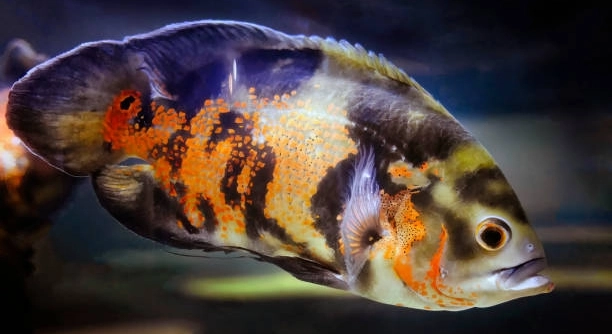
Oscar fish are known for their unique personalities and intriguing behaviors. Some of their actions can seem almost human-like, leaving owners fascinated by their actions. These moments are worth exploring for anyone who has observed their Oscar fish closely.
Oscar fish can display human-like behaviors in various situations, including responding to their owners, showing signs of empathy, and engaging in activities that resemble human interaction. These actions, though instinctual, can appear surprisingly relatable to human emotions and actions.
From their social interactions to how they communicate, these moments offer insight into the fascinating behavior of Oscar fish. Understanding these actions can deepen your connection with your pet and reveal more about their unique personalities.
The Oscar Fish’s Social Interaction with Owners
Oscar fish are known for forming unique bonds with their owners. Unlike other fish, they often respond to their owners when approached. Their behavior can sometimes resemble a dog greeting its owner, following you around the tank or even coming to the surface when you appear. This strong sense of recognition suggests that Oscar fish might be more aware of their surroundings and their human caretakers than we initially thought. They may also show excitement or curiosity when you interact with them, displaying behaviors like swimming in circles or even nudging your fingers.
Their social connection with humans is often tied to routine feeding times, where the Oscar fish eagerly anticipates your presence. This excitement is not only a sign of hunger but a sign of familiarity and attachment. Over time, these behaviors can create a special bond that strengthens the relationship between the fish and its owner.
What makes their behavior even more interesting is that they don’t seem to show this level of attention to other fish. They often seem to form a connection with one or two specific individuals, highlighting their social preferences.
Empathy and Communication
Oscar fish show signs of empathy by reacting to changes in their environment, especially when something is wrong. They might display concern when other fish are distressed or when the tank’s water quality changes. This sensitivity makes them appear almost human-like, as they seem to react emotionally to their surroundings.
Their communication with each other can also be fascinating. While it may not always seem like verbal communication, Oscar fish often use body language and gestures to express themselves. Whether it’s a playful chase or a display of dominance, these behaviors demonstrate their ability to interact with each other in complex ways. The more you observe their interactions, the more you realize how much like humans they can act in these situations.
The Oscar Fish’s Display of Curiosity
Oscar fish are naturally curious creatures. They are often seen exploring every corner of their tank, searching for something new. This behavior might remind you of a person who likes to investigate their environment, seeking out new experiences. When they spot something unfamiliar, they approach it cautiously, inspecting the object from different angles. Over time, this curiosity can also extend to their interactions with you, as they watch you closely when you approach the tank.
Their curiosity goes beyond just investigating their immediate surroundings. Oscar fish can be interested in new objects or even other fish that are introduced to the tank. It’s a sign that they are constantly learning about their environment and adapting to new situations. Their inquisitive nature makes them seem more aware of their surroundings than most people might think.
Interestingly, this curiosity can sometimes lead to playful behavior. Oscar fish might swim around and interact with objects in their tank, even nudging them or gently pushing them with their noses. This playful curiosity is one of the many traits that make them seem human-like.
Recognition and Bonding
Oscar fish are capable of recognizing their owners. They often learn to associate specific people with feeding times or other positive experiences. If you’ve had your Oscar fish for a while, you may have noticed that it reacts differently to you than to other people. This recognition is often shown through behaviors like swimming to the tank’s front when you approach or even making excited movements. They seem to know who will be feeding them or offering attention.
This ability to recognize and bond with humans is significant in understanding their social behavior. Unlike many fish, Oscar fish show individual preferences for certain people, even exhibiting excitement or affection towards them. This unique characteristic is what sets Oscar fish apart from other aquarium pets. The bond you share with your Oscar fish might grow over time, especially if you provide consistent care and interaction. It’s a testament to their intelligence and emotional awareness.
Their social bonds are not limited to just their human owners, though. Oscar fish can also form bonds with other fish in their tank, establishing hierarchies and companionships. These bonds highlight their complex social structures and interactions.
The Oscar Fish’s Emotional Sensitivity
Oscar fish are surprisingly sensitive to changes in their environment. They can sense shifts in water temperature or even the presence of a new fish. These changes can lead to noticeable behavioral shifts, such as increased hiding or frantic swimming. This emotional sensitivity makes them seem more like mammals than typical fish.
In some cases, Oscars might react when you are upset or stressed, following you closely or exhibiting signs of anxiety. This sensitivity to emotional cues adds to their human-like traits. The way they mirror your feelings, especially when you spend more time with them, is both surprising and endearing.
Displays of Dominance and Leadership
Oscar fish are known to establish clear social hierarchies within their tanks. When a new fish is introduced, the Oscar might display dominant behavior to assert its position. These displays can include chasing, flaring their fins, or even showing aggressive postures. These behaviors are similar to how humans might compete for status or influence.
While their dominant behaviors might seem intimidating, they are part of a natural instinct to establish control over their territory. Understanding this behavior can help prevent conflicts between fish in the same tank. It also gives insight into the Oscar fish’s need to establish social order, much like humans do in group settings.
Their Reaction to Routine
Oscar fish thrive on routine, showing a clear sense of time. They quickly learn when it’s feeding time, and you might notice them getting more active as that time approaches. This reliance on routine often leads them to associate you with certain activities, further deepening their bond with you.
FAQ
How can I tell if my Oscar fish recognizes me?
Oscar fish are known for recognizing their owners, and this can be seen in their behavior. When they notice you, they might swim to the front of the tank or follow your movements around it. They can even become more active or excited when you approach, especially if they associate you with feeding times or positive interactions. If your Oscar fish comes to greet you when you enter the room, it’s a clear sign that it recognizes you and is familiar with your presence.
Do Oscar fish get lonely?
Oscar fish are not solitary by nature, but they don’t always need constant companionship either. They can interact with other fish in their tank, but they may prefer to be the dominant fish in the space. Oscar fish are often territorial, and introducing a new fish can lead to conflicts unless their space is large enough for both. While they are capable of bonding with their owners, they may not necessarily feel loneliness the same way humans do. However, keeping them in a well-maintained tank with suitable tankmates can keep them stimulated and engaged.
What should I do if my Oscar fish seems stressed?
If your Oscar fish is acting stressed, it’s important to first check its environment. Stress can be caused by poor water quality, improper tank conditions, or the presence of aggressive tankmates. Make sure the water temperature, pH level, and filtration system are appropriate for the species. If your Oscar is hiding, swimming erratically, or showing signs of discoloration, it could be a sign that something is wrong. You should also avoid sudden changes to their environment and give them some time to adjust.
Can Oscar fish bond with other fish?
Oscar fish can bond with other fish, but it often depends on the species and the size of the tank. They are territorial creatures and might show aggression toward other fish that they perceive as a threat or competitor. In some cases, they may get along with other peaceful tankmates, but this is more likely to happen in a large, well-planted tank where they have enough space to establish their own territory. It’s important to introduce new fish slowly and monitor their interactions to ensure compatibility.
Why is my Oscar fish acting aggressively?
Oscar fish can show aggression for various reasons. This might be related to territorial behavior, especially if you’ve introduced new fish or changed their environment. They can become more aggressive if they feel their space is being invaded. Aggression can also be a sign of stress, poor water quality, or an overcrowded tank. If your Oscar is constantly displaying aggressive behaviors, it may be worth evaluating its tank setup and ensuring it has enough room to roam freely. Additionally, check that the other fish in the tank are not too small or vulnerable to avoid being seen as prey.
What type of food should I feed my Oscar fish?
Oscar fish are omnivores, but they tend to prefer a diet high in protein. In the wild, they eat a mix of smaller fish, insects, and plant matter. In captivity, a balanced diet can include high-quality pellets, frozen or live foods like shrimp, worms, and small fish. Occasionally, you can offer them vegetables like spinach or peas to add variety to their diet. It’s important to avoid overfeeding, as they can become obese. Make sure the food is appropriate for their size and age, and adjust their diet as needed.
How big do Oscar fish get?
Oscar fish can grow quite large, typically reaching about 12 to 14 inches in length, but some can even grow up to 18 inches in the right conditions. This means they need a spacious tank, at least 55 gallons for a single fish, to ensure they have enough room to swim and thrive. As they grow, they require more space to accommodate their size. Their large size also means they produce more waste, so proper filtration is essential to maintain good water quality.
Can Oscar fish live with other types of fish?
Oscar fish can live with other types of fish, but it’s important to choose tankmates wisely. They can be aggressive, especially towards smaller fish, so it’s better to pair them with larger, more robust species that can hold their own. Avoid keeping Oscars with slow-moving or timid fish, as they may be bullied. Good tankmates might include large catfish or other similar-sized cichlids. Always ensure the tank is large enough to accommodate multiple fish and reduce the chance of territorial disputes.
How do I know if my Oscar fish is happy?
A happy Oscar fish is usually active, swimming around the tank, and showing a healthy appetite. They should be responsive to your presence and demonstrate curiosity about their environment. If your Oscar seems lethargic, hides often, or refuses to eat, it could be a sign of stress, illness, or poor tank conditions. Regular water changes, maintaining a stable environment, and providing proper nutrition can help ensure your Oscar stays happy and healthy.
How long do Oscar fish live?
Oscar fish can live for around 10 to 15 years in captivity, with proper care. Their lifespan can vary depending on factors like water quality, diet, and tank conditions. If they are kept in a clean tank with good water parameters, fed a nutritious diet, and regularly monitored for any signs of illness, they are likely to live a long and healthy life. However, poor care, stress, and improper tank conditions can shorten their lifespan significantly.
Final Thoughts
Oscar fish are fascinating creatures that offer a unique experience for aquarium owners. Their personalities and behaviors can be quite human-like, making them more engaging than typical fish. They recognize their owners, react to emotional cues, and even display leadership qualities. These traits make them stand out among other species in the fish-keeping community. Despite their aggression and territorial behavior, Oscars can be a rewarding pet for those willing to provide them with the space and care they need.
When it comes to caring for Oscars, understanding their needs is key. They thrive in a large tank with clean, well-maintained water and the right tankmates. Proper feeding is essential to their health, as they are omnivores and require a balanced diet to stay strong and active. Their aggressive behavior, while natural, should be managed by creating a suitable environment where they feel secure and can express their dominant instincts without causing harm to other fish. Regular tank maintenance, such as water changes and checking the filtration system, will help keep your Oscar healthy for years to come.
Owning an Oscar fish can be a rewarding experience for those who are prepared for the commitment. With their long lifespan and need for proper care, these fish are more than just decorative pets—they become part of your home and environment. If you’re willing to meet their needs and enjoy their unique personalities, Oscars can be fascinating companions that offer constant surprises and rewards. They might not be the easiest fish to care for, but they make up for it with their charm and the bond they can form with their owners.

Hello,
If you enjoy the content that we create, please consider saying a "Thank You!" by leaving a tip.
Every little bit helps us continue crafting quality advice that supports the health, happiness, and well-being of pets around the world, for pets of all shapes, sizes, and species.
We really appreciate the kindness and support that you show us!