
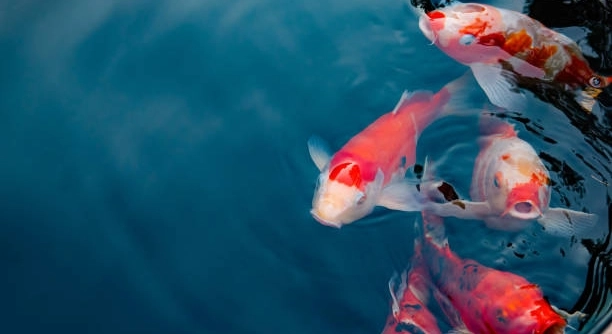
Koi fish often explore their environment together, showing remarkable ways of learning from one another. They communicate subtly through movement and behavior, guiding each other along new paths in their shared habitat. These moments reveal their social nature and adaptability.
Koi teach each other new routes by following and mimicking the movements of more experienced fish, creating pathways through their environment. This behavior supports group cohesion and helps the fish discover safer or more efficient travel routes.
Understanding these interactions offers insight into koi behavior and how their social learning shapes daily life in ponds and natural settings.
Learning Through Observation
Koi are naturally curious and often observe each other’s movements closely. When one fish finds a new route, others watch and gradually follow. This observation helps them learn without risking danger. Younger koi especially rely on older, experienced fish to discover safe places for food or shelter. Over time, the group becomes familiar with these paths, making travel smoother and more efficient. This process shows that koi have a way of sharing knowledge through simple actions rather than vocal communication. Their ability to watch and mimic helps them survive better in changing environments. It also strengthens social bonds within the group, as they rely on one another to navigate safely. By learning from each other, koi maintain a well-organized community where everyone benefits from shared experiences.
Koi observing others helps the whole group move safely and efficiently. This behavior supports their survival and social structure.
Koi use small movements and changes in swimming patterns to signal new routes. This subtle communication helps them guide others without drawing attention from predators. When a fish leads, others follow quietly, trusting the path discovered. Over time, these routes become regular pathways, making daily swimming easier. This cooperation is an important part of koi behavior and helps maintain group harmony.
Following the Leader
When a koi takes the lead, others tend to follow closely. This leadership is not about dominance but experience. Fish that know the best routes often swim at the front, showing the way to the group. Following a leader reduces the chances of getting lost or separated. This natural order helps the group stay together and find food or safe spots. Even small changes in direction are quickly picked up by followers. The leader’s role is important during times of change, such as when the pond environment shifts. The group depends on this guidance to adapt and stay secure. This simple leadership system is a key reason koi move so smoothly as a group and respond well to their surroundings.
Koi leadership is based on experience and helps the group stay connected. Following leaders allows efficient movement through their habitat.
Leaders are usually the most familiar fish with the area. Their experience helps them find the best paths around obstacles or threats. When the environment changes, leaders quickly explore and find new routes for the group. Followers learn by watching the leader’s choices and gain confidence over time. This cycle of learning and leading helps the whole group adapt faster than if each fish tried alone. The presence of a leader reduces confusion and keeps the group safe during movement. This system also encourages cooperation, making koi ponds peaceful and well-organized spaces.
Communicating Routes
Koi use body language to share information about new paths. Changes in speed or direction catch the attention of other fish, signaling a possible new route worth exploring.
When a koi changes its swimming pattern, others notice and adjust accordingly. These subtle cues allow the group to follow a new course without confusion. It’s a quiet but effective way to communicate that a better or safer route has been found. This method of signaling helps koi stay coordinated and avoid danger. It also shows how attentive koi are to one another’s movements, maintaining group harmony through simple, non-verbal signals.
This communication helps avoid collisions and keeps the group moving smoothly. Koi seem to understand the importance of clear signals for group safety. By using these subtle signs, koi guide each other and strengthen their social bonds while navigating their environment.
Adaptation to Change
Koi quickly adjust their routes when the environment changes, such as when plants grow or obstacles appear. They rely on each other to find new ways around these challenges.
When a new barrier blocks a familiar path, koi leaders explore alternative routes and lead the group through. This quick adaptation helps them continue moving without stress or injury. Followers observe and learn these new paths, which become regular routes after some time. The group’s ability to change together shows how flexible koi are and how important social learning is for survival. This cooperation reduces confusion and helps maintain a peaceful environment, even when conditions shift suddenly.
The group approach to adapting routes also means koi spend less time wandering alone. Together, they find efficient solutions faster than any individual fish would on its own. This teamwork is a big reason koi thrive in ponds and natural waters where the environment is always changing.
Group Coordination
Koi swim in close groups, which helps them coordinate their movements better. Staying close allows them to quickly follow changes in direction led by others.
This close swimming also reduces the chance of getting separated. It helps koi stay safe from predators and find food more efficiently.
Trail Reinforcement
Once a new route is discovered, koi tend to use it repeatedly. This regular use strengthens the path and makes it easier for the whole group to follow. Over time, these trails become well-established routes within their habitat.
Learning by Following
Young koi learn new routes by closely following older fish. This behavior ensures the knowledge of safe and efficient paths passes down through generations, helping maintain the group’s stability.
FAQ
How do koi decide who leads the group?
Leadership among koi is mostly based on experience. Older or more confident fish tend to take the lead because they know the environment better. These leaders guide the group through safe routes, and others follow. It’s less about dominance and more about knowledge and trust. If a leader makes a wrong turn, others will quickly adjust and follow a different fish. This flexible system helps the group stay safe and find the best paths. Leadership can also change depending on the situation or time of day.
Can koi learn new routes on their own?
Yes, individual koi can explore and find new paths independently. However, learning is faster and safer when they follow or observe others. New routes discovered by one fish often become group routes when others copy it. Solo exploration carries more risk, especially from predators or environmental hazards. Social learning through observation reduces these risks and spreads knowledge quickly throughout the group. This cooperation is key to their survival and wellbeing.
How do koi communicate new routes without sound?
Koi use body movements, changes in swimming speed, and direction to signal new paths. These visual cues help others notice and follow a route without needing sound. This silent communication keeps the group alert but quiet, reducing chances of attracting predators. Subtle changes like a quick turn or speeding up are enough to grab attention. Other fish interpret these signals and adjust their movements accordingly. It’s a simple but effective way to share important information in the pond.
Do koi always follow the same routes?
Not always. Koi tend to use familiar routes but will change when the environment changes or when a better path is found. If plants grow thick or obstacles appear, leaders find new ways around. The group adapts quickly, learning and using new routes as needed. Regular use of the same paths makes travel easier, but flexibility is important for safety and food access. Koi balance routine with adaptation to stay comfortable and secure.
What role do younger koi play in learning routes?
Younger koi rely heavily on older fish to learn safe and efficient routes. They follow experienced members closely, watching their movements and copying them. This learning process helps younger fish avoid danger and find food. Over time, they become confident and may take on leadership roles themselves. This passing of knowledge ensures the group remains strong and well-coordinated across generations. It also shows the social nature of koi and their reliance on each other.
How quickly do koi learn new routes?
Koi can learn new routes fairly quickly, especially when guided by leaders. Observing just a few trips is often enough for followers to remember the path. Repeated use of the route helps reinforce memory and confidence. The group’s close swimming also speeds up the learning process because fish can easily copy small changes in movement. However, the time needed varies depending on the complexity of the route and the fish’s experience. Overall, koi adapt efficiently to changes in their environment.
Are koi teaching behaviors intentional?
It’s hard to say if koi teach each other intentionally. Their behavior looks like natural following and copying rather than purposeful instruction. However, their close social interactions suggest that learning from each other is an important part of their survival strategy. Even if it’s not intentional, the effect is the same: knowledge spreads within the group. This kind of social learning improves the safety and efficiency of their movements, which benefits everyone.
Can koi learn routes from other fish species?
Koi mainly learn from their own species because their social behaviors and swimming patterns match best. They may observe other fish, but it’s less common for them to follow or copy different species. Koi rely on familiar cues and rhythms to communicate. Learning from other species would be more difficult because of these differences. Still, in mixed ponds, koi might pick up some general information, like where food is more abundant, by watching other fish.
How does the environment affect route learning?
Environmental changes like new plants, water currents, or obstacles force koi to find new routes. These changes encourage exploration and adaptation. The group works together to adjust and share new paths. A stable environment means koi keep using the same routes, but a changing one increases their learning activity. Seasonal shifts or pond maintenance can also impact their routes. Koi are good at sensing these changes and respond quickly to keep moving safely.
Why is it important for koi to teach each other routes?
Teaching and learning routes helps koi avoid danger, find food, and stay together as a group. It reduces risks by spreading knowledge about safe paths and obstacles. This social learning strengthens group cohesion and improves survival chances. Without sharing information, individual fish might get lost or injured more easily. The ability to learn from one another also shows how intelligent and adaptable koi are. Their cooperative nature makes their environment safer and more comfortable for everyone.
Koi fish are more than just beautiful creatures swimming in ponds. They have interesting ways of interacting and learning from each other. Watching how they teach one another new routes shows us how smart and social they really are. These fish don’t just swim randomly; they follow and guide each other carefully to find the safest and easiest paths. This behavior helps them survive and thrive in their environment. It also shows how important group cooperation is for koi. By working together, they avoid danger and make life easier for everyone in the group.
The way koi share information is quiet but powerful. They use small movements, changes in speed, and direction to signal when they find a new route. Other koi watch closely and copy these actions. This kind of communication does not need sound, but it works well for their needs. It helps them move as a group without confusion or risk. This cooperation also allows them to adapt quickly when things change in their environment, such as new plants growing or obstacles appearing. The group relies on leaders who know the area best to find these new paths, and the others follow and learn from them. Over time, even the younger koi learn these routes by watching and staying close to the experienced fish. This passing of knowledge from one fish to another keeps the group strong and safe.
Understanding how koi teach each other new routes gives us a better appreciation of their social nature. They are not just solitary swimmers but members of a close-knit community. This behavior helps koi live peacefully in ponds and natural waters. It also shows that they are adaptable and smart enough to learn from each other. For anyone caring for koi, knowing this can help create better environments that support their natural behaviors. By allowing koi to explore and follow one another, we help them feel secure and healthy. Their group learning is a reminder that even fish rely on social bonds to thrive.

Hello,
If you enjoy the content that we create, please consider saying a "Thank You!" by leaving a tip.
Every little bit helps us continue crafting quality advice that supports the health, happiness, and well-being of pets around the world, for pets of all shapes, sizes, and species.
We really appreciate the kindness and support that you show us!