
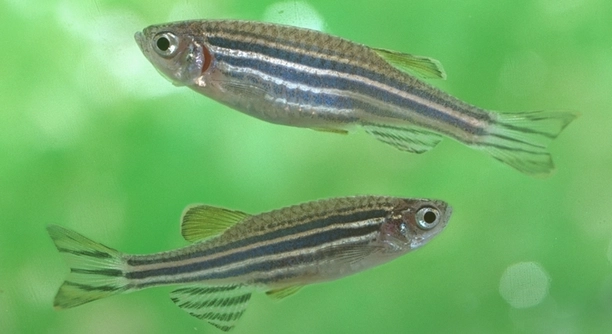
Zebra Danios are small, active fish often kept in aquariums. Their playful nature and vibrant colors make them a favorite among aquarium enthusiasts. However, their mating behavior can sometimes be misunderstood, leading to confusion for new owners.
Zebra Danio mating signs are often misinterpreted. These fish may display chasing, color changes, or fin-flaring, which can be mistaken for aggression. Understanding these behaviors helps differentiate between mating attempts and other forms of interaction.
Understanding the signs of mating in Zebra Danios is crucial for their care. Knowing the difference between mating and aggression can lead to a healthier, more thriving tank environment.
Chasing Behavior and Its Significance
Chasing is one of the most common behaviors seen during Zebra Danio mating. During mating, males often chase females around the tank. This can be mistaken for aggression, as the males may appear to be attacking. However, this behavior is simply the male’s way of courting and trying to get the female’s attention. They tend to move quickly, darting after the female, which is entirely normal for mating behavior.
It’s important to note that while chasing may look intense, it’s not harmful to the female if she’s healthy. The female will usually try to escape the male’s pursuit, showing that she’s not yet ready to spawn.
Understanding that chasing is part of their natural behavior will help you avoid unnecessary concern. It’s vital to observe the fish closely, as prolonged stress from chasing can cause harm to both males and females. Ensuring a spacious tank can help reduce stress during these encounters.
Color Changes During Mating
Zebra Danios change colors when they’re ready to mate. The males, in particular, become brighter and more vivid to catch the female’s attention. This color change is often subtle, but it’s noticeable enough for keen observers.
This shift in color indicates that the male is signaling his readiness to spawn. The vibrant colors are meant to attract the female, signaling his good health and genetics. If you notice this change, it’s a sign that the fish are in their mating mood.
Fin Flaring and What It Means
Fin flaring is another sign of mating. Male Zebra Danios will flare their fins to appear larger and more attractive to the female. This behavior can be seen during courtship, often when the male is trying to get closer to the female.
The male will arch his body, flare his fins, and swim in front of the female. This display shows dominance and readiness for mating. It’s important to differentiate between fin flaring during mating and fin flaring caused by aggression. If the male is chasing the female, this may be mating behavior.
If you notice the male flaunting his fins, it’s a clear indicator that he’s ready to mate. During this phase, the female may respond by darting away, signaling that she’s not yet prepared. If she’s interested, she may stay close to the male, allowing the mating process to proceed.
The Role of Tank Environment
The tank environment plays a significant role in mating. Zebra Danios need a space that mimics their natural habitat. Plants, decorations, and ample swimming space are necessary for the fish to feel safe and comfortable while mating.
A tank with hiding places can provide the female with space to escape if needed. Without a comfortable environment, the fish may feel stressed, disrupting mating behavior. It’s also essential to maintain clean water and proper temperature, as these factors influence their reproductive success. Keeping the water at around 72-78°F helps encourage mating.
Healthy water conditions are a must. Ammonia or nitrate levels should be kept low, and the water should be well-filtered. If the tank isn’t clean, the fish can experience stress, which may lead to infertility. Mating may not occur at all if the water quality is poor or the environment is too harsh.
The Importance of Female Behavior
Female Zebra Danios play an essential role in the mating process. When she’s ready to spawn, she will show signs like slowing down and being less active. She may allow the male to chase her more closely, signaling her willingness to mate.
If the female seems uninterested or keeps swimming away, it likely means she’s not yet ready to spawn. It’s common for females to act more cautious and reserved, as they want to ensure the right environment before engaging in mating. Patience is key when observing her behavior.
Observing the female closely can help you understand when she’s ready to mate. If she begins to show more interest in the male’s displays and doesn’t swim away, mating may soon follow. A calm and secure female will also contribute to a smooth process.
Male and Female Interaction
The interaction between male and female Zebra Danios is often subtle yet telling. After the male displays his fin flaring and chasing behaviors, the female may eventually slow down and allow him to get closer. This signals the beginning of the mating process.
Once she’s ready, the male will nudge the female’s body to trigger spawning. The eggs are released into the water, and the male fertilizes them immediately. This is a delicate interaction, requiring both fish to be in the right state of readiness for successful reproduction.
Timing and Spawning Frequency
Timing is crucial for Zebra Danio mating. The best time for mating usually occurs in the early morning when the fish are more active. This is when the female is most likely to be ready to spawn.
It’s important to note that Zebra Danios may not mate every day. They typically spawn every few days or weeks. Ensuring a consistent environment and healthy tank conditions will increase the chances of successful spawning.
FAQ
How can I tell if my Zebra Danios are mating or just being aggressive?
Zebra Danios can show behaviors that may look like aggression, but these actions are often part of their mating rituals. Males chase the females during courtship, which may seem like aggression at first. However, if the males are constantly pursuing the female, displaying fin flaring, and changing colors, it’s a sign they are trying to attract her for mating. Aggression, on the other hand, is usually characterized by more intense fighting or bullying behaviors, where the fish engage in physical contact. If the males are swimming side-by-side and the female is swimming away, it’s more likely that they are mating.
Why do Zebra Danios chase each other?
Chasing in Zebra Danios is usually a part of their mating behavior, especially in males. When males chase the females, they are trying to get their attention. This behavior is not necessarily aggressive but rather a courtship display. Sometimes, males also chase other males as a way to assert dominance or compete for the female’s attention. This is common during breeding seasons, as the males try to show off their readiness to mate. If the female doesn’t show interest in the chase, she will likely try to escape.
How often do Zebra Danios breed?
Zebra Danios don’t breed every day, but they can spawn regularly, especially under favorable conditions. On average, they may spawn every 1 to 2 weeks, with each breeding session yielding a number of eggs. To encourage breeding, ensure that the water temperature is between 72-78°F, and the tank environment is clean and spacious. If conditions are not optimal, Zebra Danios may not breed as frequently. They generally breed during the early morning hours, when the fish are most active.
Can Zebra Danios breed in a community tank?
Yes, Zebra Danios can breed in a community tank, but certain precautions should be taken. In a tank with other fish, eggs may be eaten before they have the chance to hatch. To prevent this, you can provide plenty of hiding spots or set up a breeding tank. If you want to ensure successful spawning, move the female and male into a separate breeding tank where there are fewer distractions and no predators. After spawning, the adult fish should be removed from the tank to avoid eating the eggs.
How can I encourage my Zebra Danios to spawn?
To encourage Zebra Danios to spawn, ensure the water is clean and the temperature is around 72-78°F. You should also provide a well-planted tank with plenty of space for the fish to swim freely. Additionally, feeding them high-quality, varied foods like live or frozen brine shrimp can help stimulate breeding behavior. The right lighting and water quality are key factors in setting the mood for spawning. A light increase or a change in the water temperature by a few degrees can sometimes trigger the spawning process.
Do Zebra Danios eat their eggs?
Yes, Zebra Danios are known to eat their eggs if given the opportunity. This behavior can be a concern in a community tank, where the eggs may be consumed by other fish or even the adult Danios themselves. To prevent this, you can place a breeding mat or a mesh barrier in the breeding tank to allow the eggs to settle in a safe space. If you notice that your fish are eating their eggs, removing the adults as soon as the spawning process is complete will help protect the eggs.
How long does it take for Zebra Danio eggs to hatch?
Zebra Danio eggs typically hatch within 2-3 days, depending on the water temperature. Warmer water temperatures (around 78°F) can speed up the hatching process. The eggs are clear or slightly yellow in color, and you may see tiny embryos developing inside. Once they hatch, the fry (baby fish) will remain attached to the tank’s surface for a few days, absorbing their yolk sac. Afterward, they will begin to swim freely. During this time, it’s important to keep the water clean and make sure the fry have access to micro food like infusoria or specialized fry food.
Why is my Zebra Danio not mating?
If your Zebra Danio is not mating, there could be several reasons. Stress is a common factor, and it could be due to poor water quality, an overcrowded tank, or aggression from other fish. Ensure the water is clean, with proper filtration and temperature (72-78°F). Sometimes, fish may not breed if they’re too young or too old. Males need to be vibrant in color, while females should be plump and ready to spawn. If your fish are not mating, try providing a stable environment, feeding high-quality foods, and ensuring there are enough hiding spots to reduce stress.
How do I know if my Zebra Danios are ready to mate?
Mature male Zebra Danios will show signs of readiness to mate by becoming more colorful, often displaying brighter stripes and vivid hues. They may also display fin flaring and engage in chasing behavior. Females, when ready to spawn, may appear rounder due to the development of eggs. If you notice these signs, it’s a good indication that the fish are ready to mate. The male will try to court the female with his vibrant colors, while she will typically respond by slowing down or allowing him to chase her.
Final Thoughts
Understanding Zebra Danio mating behavior can make a big difference in how you care for them. These small fish can be quite active and playful, but their mating behaviors can sometimes be confusing, especially for new fish owners. Observing the signs like chasing, fin flaring, and color changes can help you recognize when they are trying to mate. It’s important to note that what might seem like aggression is often part of their courtship process, so it’s essential to look closely at their interactions.
Creating the right environment for Zebra Danios is key to encouraging healthy mating. Keeping the water clean and maintaining the right temperature is important, as well as providing enough space for the fish to swim and interact naturally. A well-maintained tank with plenty of plants or hiding spots can reduce stress and make the fish feel more comfortable. This will help improve their chances of mating successfully. If you are hoping to breed them, setting up a separate breeding tank or using a breeding mat can protect the eggs from being eaten.
While Zebra Danios are relatively easy to care for, their mating behavior can require patience and understanding. They may not breed every day, and factors like age, water quality, and tank mates all play a role in whether or not they will successfully mate. Paying attention to the subtle signs and maintaining the right conditions will increase the likelihood of breeding. In the end, it’s about creating a stress-free environment where both males and females feel safe to engage in their natural behaviors.

Hello,
If you enjoy the content that we create, please consider saying a "Thank You!" by leaving a tip.
Every little bit helps us continue crafting quality advice that supports the health, happiness, and well-being of pets around the world, for pets of all shapes, sizes, and species.
We really appreciate the kindness and support that you show us!