
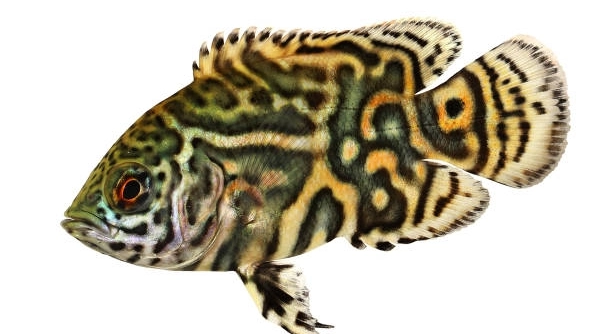
Are your Oscar fish behaving in ways that seem strange or even concerning, leaving you unsure of what they might mean?
Many common Oscar fish behaviors are misunderstood due to a lack of knowledge about their natural instincts and social interactions. These behaviors often appear alarming but are typically harmless expressions of normal fish behavior within a home aquarium.
By recognizing the real reasons behind these actions, you’ll better understand your Oscar and provide a more comfortable environment.
Head Shaking or Twitching
Oscar fish often shake or twitch their heads, which can look alarming if you’re not used to it. This behavior is usually a form of communication or a reaction to changes in their environment. It might happen more often during feeding time, after a water change, or when new fish are added to the tank. Oscars are territorial and sensitive to disruptions. A slight shake can be their way of expressing dominance or signaling discomfort. If the tank conditions are stable and the fish appears otherwise healthy, this behavior is generally not a sign of illness. However, it’s important to rule out any signs of parasites or poor water quality, as those can cause similar symptoms. Regular tank maintenance and watching for other unusual behavior patterns will help you keep your Oscar healthy. Always consider the context when observing this movement.
This short, jerky movement is normal and often tied to social or environmental triggers. It rarely means your fish is sick.
Still, if the shaking becomes constant, check for stressors like ammonia spikes or aggressive tank mates. Make sure your water parameters are within the ideal range for Oscars—temperature, pH, and nitrates matter. A healthy tank helps reduce odd behavior.
Glass Surfing
Glass surfing is when your Oscar repeatedly swims along the tank walls, usually in a frantic or repetitive motion.
This behavior is typically linked to boredom, stress, or a tank that feels too small or bare. Oscars are intelligent and active, and they need mental and physical stimulation. When they feel confined or unstimulated, they often begin to pace along the glass. It may also occur when water quality is off, or the lighting is too intense. If your Oscar is glass surfing, consider the size of the tank first—75 gallons is the minimum for one adult Oscar. Add hiding spots, floating plants, and toys like floating ping-pong balls to keep their attention. Check ammonia, nitrite, and nitrate levels to be sure water quality isn’t a problem. Try adjusting the lighting to a softer setting or using a timer to mimic natural day-night cycles. All of these can help reduce glass surfing and make your Oscar feel more secure in its space.
Color Fading
Color fading in Oscar fish is usually caused by stress, illness, or aging. It can also happen after a big change in the tank, like moving decorations or switching foods.
When Oscars get stressed, their vibrant colors often become dull. This is their natural response to discomfort. Common causes include poor water quality, aggressive tank mates, or sudden changes in temperature. Aging also leads to gradual color loss, which is normal. If you notice color fading, check the tank conditions first. Ammonia or nitrite spikes can have a strong impact. Make sure the water is clean, temperature is steady, and there’s enough space. Avoid crowding the tank and watch for bullying from other fish.
Some color changes are related to breeding or environmental triggers like lighting. If your Oscar is eating well and acting normal, the fading may not be serious. Try offering high-quality food with color enhancers like krill or spirulina. Consistent tank care also helps.
Lip Locking
Lip locking between Oscar fish may look like fighting, but it’s usually a display of dominance or territorial behavior. It happens more when Oscars are establishing their place in the tank.
This behavior is more common in tanks with multiple Oscars, especially if they’re similar in size and haven’t lived together long. Lip locking can be a short-lived power struggle or part of their breeding behavior. It might look aggressive, but it rarely causes real harm if the fish are evenly matched. If one fish starts hiding all the time or gets injured, it’s time to separate them. Make sure the tank is large enough and has plenty of hiding spaces to reduce tension. A single Oscar usually doesn’t lip lock unless it sees its own reflection or feels threatened. Watching closely will help you understand if this is a brief disagreement or something more serious that needs action.
Tail Slapping
Tail slapping is often a way for Oscars to express irritation or excitement. It can happen when they feel disturbed, want attention, or are reacting to movement near the tank.
Sometimes it’s a response to fast feeding or a sudden light change. If it happens too often, check for stress.
Digging in the Substrate
Oscars often dig to rearrange their space or to search for food. This is normal and shows their active nature. They may move gravel, uproot plants, or pile objects. It can also be a sign of breeding behavior. Digging is common, especially in tanks without enough stimulation or structure. If you want to minimize the mess, use heavier plants or decorations and secure them well. Avoid getting frustrated with this—it’s part of how Oscars interact with their home. As long as the tank stays clean and the behavior isn’t frantic or paired with signs of stress, there’s no need to worry.
Hiding Suddenly
Sudden hiding is usually a sign your Oscar feels threatened or uncertain. It can happen after tank changes, loud noises, or when new fish are added.
FAQ
Why is my Oscar fish swimming upside down?
If your Oscar is swimming upside down, it could indicate a serious health issue like swim bladder disease. This condition affects their buoyancy, causing them to have trouble staying upright. Swim bladder disease can be caused by overfeeding, poor water quality, or physical injury. To address it, try fasting the fish for a few days to clear any excess food from their system. If that doesn’t help, you may need to consult with a vet for possible treatments, including adjusting the water temperature or adding aquarium salt to reduce swelling.
Why is my Oscar fish constantly swimming in circles?
Swimming in circles can be a sign of stress, boredom, or a lack of space. Oscars are active fish that need plenty of room to roam, and when confined, they may exhibit repetitive behaviors like circling. Check that your tank is large enough—at least 75 gallons for one Oscar. Also, make sure there’s enough stimulation in the tank, such as hiding spots, decorations, and other fish. If your Oscar is the only one in the tank, consider adding tank mates (but only those that are compatible) to alleviate loneliness.
How can I tell if my Oscar is stressed?
Stressed Oscars often display a range of behaviors like hiding, reduced appetite, excessive swimming, or even aggression. Stress can come from poor water quality, sudden changes in the tank environment, or incompatible tank mates. Check the water parameters—ammonia, nitrite, nitrate, and pH levels should be balanced. Also, ensure your Oscar has enough space to swim comfortably. If your fish is hiding a lot or swimming frantically, it may be trying to escape from stressors in the environment.
Why is my Oscar not eating?
If your Oscar is refusing to eat, there could be several reasons. One of the most common causes is poor water quality. Oscars are very sensitive to changes in their environment, and if the tank conditions aren’t ideal, they may lose their appetite. Another possible cause could be stress or illness. If your fish isn’t eating, check for signs of illness like cloudy eyes or a bloated body. If everything appears normal but the Oscar still isn’t eating, try offering a different type of food or giving them a few days to settle before trying again.
Is it normal for Oscar fish to be aggressive?
Yes, Oscar fish are known for their aggressive behavior, especially towards other fish. This aggression is most noticeable when they feel threatened or are defending their territory. Oscars are territorial by nature, and if they are housed with other fish, they may fight, especially if the tank is too small. To minimize aggression, provide plenty of hiding spots and tank decorations. It’s also a good idea to avoid keeping smaller fish that can be seen as prey.
Why does my Oscar fish have white spots?
White spots on your Oscar fish are typically a sign of ich, a common parasitic infection. Ich is often caused by poor water quality or stress. The parasite affects the skin and gills, causing small white cysts to appear on the fish’s body. Treating ich usually involves raising the water temperature to speed up the life cycle of the parasite, along with adding aquarium salt to help the fish heal. You may also need to medicate the water with a product specifically designed for treating ich.
How do I know if my Oscar is pregnant?
Oscar fish do not carry babies inside them; they lay eggs. However, you can tell if your Oscar is preparing to breed by looking for signs of a swollen abdomen, particularly in females. If you see a pair of Oscars exhibiting aggressive or lip-locking behavior, it’s likely a sign of breeding activity. During this time, females will often display brighter colors and may become more active. Once the eggs are laid, the male will fertilize them, and both parents will guard the eggs until they hatch.
Why is my Oscar fish rubbing against rocks?
Rubbing against rocks or other objects can be a sign of irritation or parasites, such as external flukes or ich. If your Oscar is rubbing its body against decorations, rocks, or tank walls, it might be trying to relieve the discomfort caused by these parasites. Check your water parameters to ensure they are in the proper range. If the rubbing persists, you may need to treat the tank with anti-parasitic medication and remove any infected fish if necessary. Keep an eye on other symptoms like lesions or faded colors.
How often should I feed my Oscar fish?
Oscar fish are omnivores and should be fed a varied diet. It’s best to feed them once or twice a day. However, the amount should be enough for them to finish in 5 to 10 minutes to avoid overfeeding. Overfeeding can lead to obesity and water quality issues. A balanced diet consisting of pellets, frozen food like shrimp or bloodworms, and some vegetables will ensure they stay healthy. Make sure the food is appropriate for their size—large Oscars require larger portions than smaller ones.
Why is my Oscar fish pacing back and forth?
Pacing back and forth is a common sign of stress, boredom, or confinement. Oscars that are housed in tanks that are too small or lack sufficient stimulation may pace as a result. Ensure your Oscar has enough space—at least 75 gallons for one fish. Provide them with hiding spots, decorations, and tank mates that are compatible. Pacing can also be a response to poor water quality, so test the water parameters regularly. If the pacing continues despite tank adjustments, consider adding more enrichment to the environment.
Final Thoughts
Understanding your Oscar fish’s behavior is key to providing a healthy and comfortable environment for them. Many of the behaviors that may seem odd or concerning at first are actually normal for Oscars, especially since they are such active and sometimes unpredictable fish. It’s important to remember that Oscars are very expressive, and their actions often reflect how they feel about their tank environment. Stress, boredom, or changes in water conditions can lead to various behaviors, but with careful observation, you can distinguish between normal habits and signs of health issues.
Creating the right environment for your Oscar is essential for their well-being. Providing them with enough space to swim, maintaining good water quality, and ensuring they have plenty of hiding spots and things to do will keep them active and happy. Regular tank maintenance, such as water changes and checking for parasites, can prevent many common issues. Oscars thrive in stable environments, and they will show you signs when something is off. If you notice unusual behavior, like excessive hiding or loss of appetite, it’s always a good idea to test the water parameters first and address any potential problems.
In the end, Oscars are fascinating fish that can bring a lot of joy to your aquarium. By understanding their behaviors and needs, you can ensure they live a long, healthy life. Don’t be discouraged if they seem to act oddly at times—it’s just part of their personality. With the right care, your Oscar will continue to thrive and add beauty to your tank, providing you with many enjoyable moments of interaction. Just remember, patience and attention to detail go a long way in ensuring that your Oscar fish stays happy and healthy.

Hello,
If you enjoy the content that we create, please consider saying a "Thank You!" by leaving a tip.
Every little bit helps us continue crafting quality advice that supports the health, happiness, and well-being of pets around the world, for pets of all shapes, sizes, and species.
We really appreciate the kindness and support that you show us!