
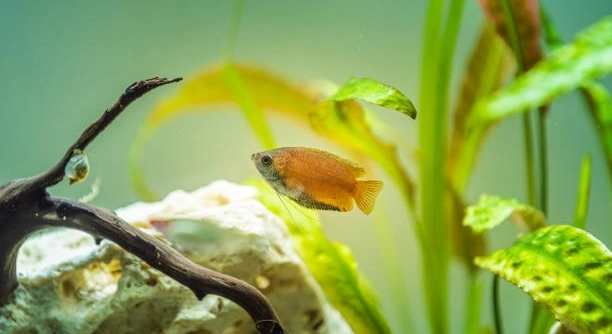
Do you ever find yourself setting up a new tank, only to notice your gourami seem stressed or unwell later on?
The most common mistakes when setting up for gourami include poor water conditions, incorrect tank size, lack of hiding spots, improper tank mates, inadequate diet, wrong water flow, and skipping the cycling process.
Learning about these mistakes can help create a healthier, safer space for your gourami and make your setup experience smoother.
Mistake 1: Skipping the Nitrogen Cycle
Setting up a new aquarium can be exciting, but skipping the nitrogen cycle is a big mistake. This cycle helps build healthy bacteria that break down fish waste. Without it, harmful toxins like ammonia and nitrite can build up fast, making the water unsafe for gourami. When the tank is not cycled properly, your fish can become stressed, sick, or even die. Even if everything else looks perfect, the water chemistry could still be harmful. Cycling takes time, usually a few weeks, but it’s worth the wait. Use a water testing kit to track ammonia, nitrite, and nitrate levels. Add a source of ammonia, like fish food or bottled ammonia, to get the process going. Once the ammonia and nitrite levels drop to zero and nitrates rise, the tank is cycled. Only then should you add gourami. Doing this step correctly builds a stable and safe environment for them.
Skipping this step causes unstable conditions, which can lead to health issues and even early death in gourami.
Once you understand how essential the nitrogen cycle is, it becomes clear why patience matters in the early stages. A cycled tank will give your gourami a clean and balanced place to thrive from day one.
Mistake 2: Choosing the Wrong Tank Size
A small tank may seem easier to manage, but it can quickly become a stressful environment for gourami.
Gourami need space to swim, explore, and establish territories. A small tank limits their movement and increases aggression, especially in species like the three-spot gourami. It also makes it harder to maintain good water quality, since toxins build up faster in smaller volumes. A minimum of 20 gallons is recommended for dwarf varieties, while larger species need at least 30 gallons. More space means more stable water conditions and fewer territorial conflicts. If you plan to add tank mates, increase the size even further. Overcrowding can lead to constant stress, illness, and even injury. Think about long-term growth and comfort when choosing a tank. Giving your gourami enough room to swim freely and escape from each other’s sightlines helps reduce stress and improve their overall health. A properly sized tank is one of the best ways to keep them calm and active.
Mistake 3: Using Strong Water Flow
Strong water currents can cause stress in gourami, who prefer calm waters. Their long fins make it hard to swim in fast-moving water, and constant battling against the flow can tire them out quickly.
Gourami are native to slow-moving rivers and still waters, so replicating that in your tank helps them feel secure. If your filter produces too much flow, consider using a sponge filter or adjusting the output to create a gentler current. You can also place decorations or plants near the output to break the flow. Watch your gourami’s behavior—if they’re struggling to swim or always hiding, the current may be too strong. A gentle surface movement is enough to provide oxygen without stressing your fish. Calm water also helps them display natural behaviors like bubble nest building, which can be difficult in high-flow setups. Choosing the right equipment and layout makes a big difference.
Proper water movement keeps your tank clean, but it needs to be balanced with the needs of your gourami. Avoid using powerheads or strong hang-on-back filters unless they’re modified. Calm water helps reduce stress and supports better health. When gourami are not constantly fighting the current, they’re more relaxed and active throughout the day.
Mistake 4: Ignoring Tank Mates Compatibility
Gourami may look peaceful, but they can be territorial or even aggressive with the wrong tank mates. Size, temperament, and space all play a role in how well they get along with others.
Avoid placing gourami with overly active or fin-nipping fish like tiger barbs, which can lead to constant stress or injury. Similarly, do not pair multiple male gourami in small tanks—they may fight. Good companions include peaceful bottom dwellers like corydoras or small schooling fish like harlequin rasboras. Always provide hiding spots and plants so fish can avoid each other when needed. Keep an eye on behavior during the first few weeks. If there’s frequent chasing, torn fins, or hiding, it might be a sign that something isn’t working. Compatibility is about more than just species—it’s also about the tank setup. Balanced communities need space, cover, and a watchful eye to keep peace.
Mistake 5: Not Providing Enough Hiding Spots
Gourami feel safer when they have places to hide. Without plants, caves, or decorations, they may become anxious or aggressive.
Hiding spots help reduce stress, especially when tank mates are active or during breeding. Natural decorations also make the tank feel more like their native habitat.
Mistake 6: Feeding an Incomplete Diet
Gourami need a balanced diet to stay healthy. Feeding only flakes or pellets can lead to nutritional gaps. Include a mix of high-quality flakes, occasional live or frozen food like brine shrimp or bloodworms, and some vegetables like blanched spinach or zucchini. Avoid overfeeding, as leftover food can pollute the water. Watch their behavior during feeding times. If some fish are always missing out or others are getting too much, adjust how you feed them. A proper diet supports color, energy, and overall health. Varying their food not only helps their bodies but also keeps them engaged and active in the tank.
Mistake 7: Inconsistent Water Testing
Regular water testing helps catch problems early. Skipping tests can lead to unnoticed ammonia spikes, pH shifts, or low oxygen levels.
FAQ
How long should I wait before adding gourami to a new tank?
You should wait until the tank is fully cycled, which usually takes 4 to 6 weeks. During this time, test your water regularly for ammonia, nitrites, and nitrates. Ammonia and nitrites should be at zero, and nitrates should be present in small amounts before adding any fish. Rushing this step can cause stress and illness in your gourami. If you want to speed up the process, you can use beneficial bacteria products or transfer filter media from an established tank. Make sure to continue testing even after adding your fish to ensure the cycle remains stable.
Can I keep multiple gourami together?
Yes, but it depends on the species and tank size. Dwarf gourami are usually less aggressive, but even they can be territorial. Avoid keeping multiple males in small tanks, as this can lead to fights. If you want to keep more than one, make sure you have at least 30 gallons with lots of plants and hiding spots. Females tend to get along better than males. Mixing different species of gourami is not always recommended because their behaviors and needs can vary. Always observe new groups closely for signs of stress or aggression, and separate them if needed.
What water temperature do gourami need?
Gourami are tropical fish and prefer water between 74°F and 82°F (23°C to 28°C). Consistency is important, so use a heater and a reliable thermometer to keep the temperature stable. Sudden drops or spikes can stress your fish and weaken their immune systems. When changing water, make sure the new water matches the tank temperature closely. Some gourami, like pearl and dwarf species, do better on the warmer end of the range, especially if they are breeding. Always check specific needs for your gourami type, but staying within this range will usually keep them healthy and active.
What signs show that my gourami is stressed?
Common signs of stress include hiding often, refusing food, clamped fins, dull colors, or erratic swimming. If you notice these behaviors, check water parameters first. Poor water quality is one of the main causes of stress. Also, watch for bullying from tank mates or a lack of hiding spots. Strong currents can stress them too. If only one fish shows symptoms, isolate it for closer observation. Acting quickly can prevent the problem from getting worse. Stress lowers their ability to fight disease, so finding the cause early helps keep them healthy.
Do gourami need an air pump?
No, gourami don’t need an air pump if the tank has good surface movement. They have a special organ called the labyrinth, which lets them breathe air from the surface. However, this doesn’t mean you can ignore oxygen levels. A filter that gently moves the surface is usually enough to keep oxygen levels balanced. Still, if your tank is heavily stocked or has poor circulation, an air pump can help. Avoid strong bubble streams, which may bother them. If they often come up gasping or seem sluggish, it could mean the oxygen level is too low.
How often should I clean my gourami tank?
Do a partial water change of 25–30% once a week. During this, vacuum the substrate to remove waste, and wipe algae from the glass. Don’t clean the entire tank or replace all the water at once—it can remove beneficial bacteria and cause a sudden shift in water conditions. Clean the filter only when water flow slows down, and rinse filter media in tank water, not tap water, to preserve good bacteria. Consistent, gentle cleaning helps keep the environment safe and reduces the risk of sudden changes that could stress your gourami.
Why is my gourami building bubbles at the top of the tank?
This is usually a good sign. Male gourami build bubble nests when they feel secure and ready to breed. It’s a natural behavior, especially in species like dwarf, pearl, and three-spot gourami. The nest is made by blowing bubbles coated in mucus, often under a floating plant or in a quiet corner. It doesn’t always mean breeding will happen, but it shows the fish is comfortable in its environment. If you don’t plan to breed them, you don’t need to do anything. Just make sure the water surface is calm so the nest isn’t disturbed.
Can gourami live alone?
Yes, many gourami species are fine living alone, especially if kept in a community tank with other peaceful fish. Some types, like dwarf gourami, can become territorial if kept with others of their kind, so keeping a single male can actually reduce stress and conflict. That said, they are curious fish and enjoy interaction with other tank mates as long as they’re compatible. If you only keep one gourami, make sure the tank still offers stimulation—add plants, decorations, and areas to explore. A peaceful tank environment is more important than the number of gourami you keep.
Final Thoughts
Setting up a tank for gourami can feel a bit overwhelming at first, but taking the time to do it right makes a big difference. These fish are hardy, but they still need proper care to stay healthy and comfortable. Skipping important steps like cycling the tank or choosing the right tank size can lead to stress, sickness, or even early death. When you take their natural habits into account—like preferring calm waters and needing hiding places—you can build an environment that keeps them at ease. Paying attention to their behavior is one of the best ways to spot problems early. If something seems off, checking water quality, tank mates, or the feeding routine can usually point you in the right direction.
Avoiding common mistakes means your gourami have a better chance at living long, active lives. Simple actions like testing the water weekly, offering a balanced diet, and watching how they interact with other fish go a long way. Many problems in tanks are preventable. For example, not checking filter flow can stress your gourami even if the water looks clean. Feeding only flakes might seem convenient, but variety helps support their immune system and energy levels. These details may seem small, but they add up. Even decorations and plants play a role by creating a more natural and comfortable setting for them to explore or hide when needed.
Owning fish is more than just setting up a tank—it’s about keeping that space stable and safe over time. Gourami can show off bright colors and interesting behaviors when they feel secure. The key is to learn about their needs and make small, steady improvements to your setup. With a little effort, you can create a tank that both you and your gourami enjoy. Mistakes happen, but they’re also a chance to learn. The more time you spend watching and caring for your fish, the more confident you’ll become. In the end, setting up properly means less stress later, and more time enjoying your tank. Whether you’re just starting or adjusting an existing setup, keeping these basic points in mind helps keep things running smoothly.

Hello,
If you enjoy the content that we create, please consider saying a "Thank You!" by leaving a tip.
Every little bit helps us continue crafting quality advice that supports the health, happiness, and well-being of pets around the world, for pets of all shapes, sizes, and species.
We really appreciate the kindness and support that you show us!