
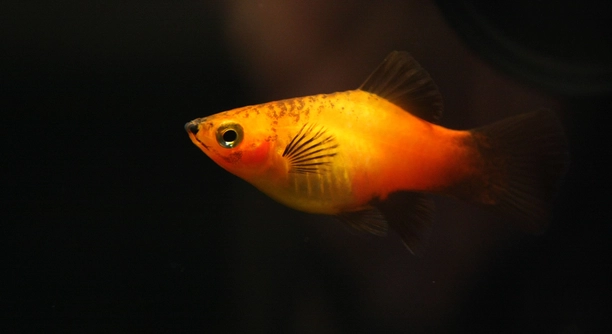
Do your platies seem stressed or behave strangely when introduced to new tankmates in your community aquarium setup?
Pairing platies with incompatible fish often leads to aggression, stress, or health issues. Factors like temperament, tank size, water parameters, and dietary needs must be considered carefully to maintain a peaceful aquatic environment.
Knowing what to avoid can help you create a calm and balanced tank that keeps your platies healthy and thriving alongside their tankmates.
Mixing Platies with Aggressive Species
One of the most common mistakes is placing platies with aggressive or territorial fish. Platies are peaceful and active, making them easy targets for fin-nippers or dominant species. Fish like tiger barbs, certain cichlids, and bettas can harass or injure platies, leading to constant stress or even death. Stress affects their immune system, making them more vulnerable to diseases. These interactions also disturb the overall tank environment, creating unnecessary tension. Even though platies adapt well to different tanks, their calm nature does not match aggressive behavior. It’s important to research the personality of each species before adding them to your setup. Make sure to choose tankmates with similar temperaments, such as mollies, guppies, or tetras. A peaceful community tank allows platies to stay active, social, and display their natural behavior. Good planning prevents future problems and helps maintain harmony for all the fish living together in your aquarium.
Avoid adding fish that chase or nip at others, especially those with a reputation for dominating community tanks.
Platies thrive in calm conditions. When surrounded by aggressive species, their health declines. Watch for torn fins, hiding, or loss of appetite—these are signs that your platies may be reacting to incompatible tankmates.
Overcrowding the Aquarium
Too many fish in one tank causes stress, poor water quality, and frequent conflict. Platies need enough room to swim, explore, and claim small territories.
Platies are active swimmers and do best in tanks that give them open space and clean water. Overcrowding disrupts this balance. It increases ammonia, nitrite, and waste levels, making it harder for filters to keep the tank clean. Platies may hide more, lose color, or become aggressive themselves when the space is tight. To avoid this, always follow stocking guidelines. A 10-gallon tank can house around 4–5 platies comfortably, but additional fish need more room. Consider the full size of each species and how much swimming space they require. Use water testing kits often to ensure stable conditions. A well-stocked tank, not an overfilled one, keeps platies comfortable and active. Creating enough space leads to healthier fish and fewer territorial or stress-related problems.
Ignoring Water Parameter Compatibility
Platies are hardy but still need stable water conditions. Adding fish that require different parameters can lead to stress and health problems for both species. Compatibility is key when it comes to pH, hardness, and temperature.
Platies prefer slightly alkaline water with a pH between 7.0 and 8.2, moderate hardness, and a temperature range of 70°F to 78°F. Fish that require soft, acidic water—like neon tetras or some dwarf cichlids—won’t thrive in the same setup. When conditions are off, immune systems weaken, making fish more prone to illness. Always match species with similar water needs to avoid ongoing stress. Use a reliable water test kit weekly to track pH, hardness, and temperature. A stable environment keeps both your platies and their tankmates healthy. Adjustments should be made slowly if parameters need fine-tuning, especially when introducing new species to avoid shocking the existing ones.
Even if fish appear fine at first, long-term health depends on water consistency. Stress from mismatched parameters often builds over time and leads to silent problems. Symptoms like clamped fins, dull color, or inactivity may appear slowly and are easy to miss. Keeping a log of weekly tests helps monitor trends and avoid surprises. Preventing imbalance is much easier than fixing ongoing compatibility issues later.
Feeding Incompatibilities
Feeding problems are often overlooked. Platies eat a mix of flakes, pellets, and plant matter. Adding species with special diets can cause uneaten food to decay, polluting the tank and stressing all fish.
Some fish need slow-sinking pellets or live foods, while others eat only algae or meat-based diets. When diets vary too much, feeding time becomes a challenge. Platies are quick eaters, but fish like bottom dwellers may miss out or compete poorly. Uneaten food increases waste and can foul water quickly. Choose tankmates with similar feeding habits to avoid excess waste and underfed fish. Use feeding rings or sinking foods when needed, but keep the diet consistent. Feed small amounts two to three times daily and remove leftover food within five minutes. This routine keeps water clean and reduces digestive stress. Balanced diets shared across species help your tank stay healthy and more enjoyable to watch.
Overlooking Breeding Behavior
Platies breed often and easily. If paired with other livebearers, the tank can become overcrowded quickly. This leads to stress, competition for food, and poor water quality if the population is not managed.
Some tankmates may also eat platy fry. Without hiding spots or a plan to separate fry, many won’t survive.
Incompatible Activity Levels
Platies are active swimmers and prefer fish that match their energy. Pairing them with slow, timid species causes tension. Slower fish may become overwhelmed or hide often, while platies may become restless and agitated without compatible companions.
Choosing Fish That Prefer Different Tank Layouts
Some fish need dense plants or rocks to feel safe, while platies enjoy open swimming space. Mismatched preferences can create constant stress.
FAQ
Can platies live with angelfish?
Platies and angelfish can sometimes live together, but it depends on the angelfish’s temperament. While platies are peaceful and active, angelfish can become territorial, especially as they mature. In smaller tanks or during breeding, angelfish may nip fins or chase platies. To reduce conflict, keep angelfish in a larger tank—at least 30 gallons—with plenty of vertical space and hiding spots. Monitor both species closely after introduction. If signs of stress appear, like fin damage or hiding behavior, it may be best to separate them. Young angelfish are usually more tolerant, but adult pairs can become aggressive quickly.
What fish are best tankmates for platies?
Good tankmates include mollies, guppies, swordtails, corydoras catfish, and peaceful tetras like ember or neon tetras. These species generally have similar water needs and calm temperaments. Avoid fin-nippers or large, aggressive fish. Even peaceful species should be introduced slowly, and the tank should be large enough to provide personal space. A 20-gallon tank works well for a small community. Keep fish with similar activity levels so that no one gets bullied or left out during feeding. Peaceful fish with overlapping needs usually live together comfortably with platies.
Can platies live with goldfish?
Platies and goldfish should not live together. Goldfish need cooler water (around 65–72°F), while platies need warmer temperatures (70–78°F). This difference in temperature affects both species’ health over time. Goldfish also grow much larger and produce a lot of waste, which can stress out smaller fish like platies. Additionally, goldfish may eat platy fry or chase smaller platies. Keeping them in the same tank creates long-term stress and health issues. It’s best to house them separately in environments that suit their specific needs.
How many platies should be kept together?
Platies are social fish and do best in groups of at least three. Keeping only one or two may lead to stress and inactivity. A group of five or more is ideal in tanks of 15 gallons or larger. If keeping both males and females, maintain a 1:2 ratio (one male for every two females) to avoid excessive chasing or mating stress. Too many males will constantly harass the females. A balanced group helps reduce tension and allows each fish to behave naturally.
Do platies eat other fish or fry?
Platies may eat their own fry or the fry of other livebearers, especially if no hiding spots are available. They usually do not harm adult tankmates, but their curiosity and constant activity may annoy more delicate or slow-moving species. To protect fry, use floating plants, breeding boxes, or dense decorations. Adult platies will leave most other species alone, but anything small enough to fit in their mouth might be mistaken for food.
How do I know if my platy is stressed by its tankmates?
Signs of stress include hiding, loss of color, rapid gill movement, or clamped fins. A stressed platy may also stop eating or show aggressive behavior it normally wouldn’t. Observe closely after introducing new fish. If your platy is being chased or bullied, or is constantly hiding, consider removing the aggressive tankmate or rearranging the tank layout. Adding plants or decorations can help reduce stress by giving fish places to retreat.
Can I keep platies with shrimp or snails?
Yes, platies generally get along with freshwater shrimp and snails. They may show interest in baby shrimp, but adults are usually safe. Choose larger shrimp varieties like Amano shrimp if you’re concerned. Snails such as nerite or mystery snails are good choices—they help clean the tank and aren’t bothered by platies. Just ensure your tank is stable, well-cycled, and has plenty of hiding spots to keep everyone comfortable. Platies are naturally curious, so gentle tankmates that can tolerate occasional nudging are best.
What’s the minimum tank size for platies and other fish?
A 10-gallon tank is the bare minimum for a small group of platies, but 15 to 20 gallons is better when adding other species. Overcrowding is one of the most common causes of stress and illness. More space means better water quality, fewer territorial disputes, and healthier fish overall. Always plan based on the full-grown size of each fish and the total bioload. A well-maintained 20-gallon tank offers enough room for a peaceful and active community that includes platies.
Final Thoughts
Pairing platies with other fish can be simple if you understand their needs and behavior. These peaceful fish do well in calm, well-maintained tanks with compatible tankmates. Problems usually come up when platies are kept with aggressive species, placed in overcrowded tanks, or housed with fish that need very different water conditions. Even though platies are hardy, constant stress will affect their health. Watching how different species interact and adjusting your tank setup early can help prevent trouble later. A stable environment where all fish feel comfortable leads to fewer problems and healthier fish overall.
Choosing the right tankmates is not just about personality—it also involves checking water parameters, feeding habits, and space requirements. Fish with similar diets and activity levels tend to do better together. When feeding is difficult or swimming space is limited, conflict is more likely. Even small issues, like different preferences in tank layout, can create stress over time. Keeping up with weekly water testing, regular cleaning, and careful observation will help you notice changes early. Many problems can be avoided simply by making thoughtful choices and watching your tank closely after adding new fish.
A peaceful community tank starts with good planning. It’s important to research each species before adding it to your setup. Give your platies enough space, stable water, and gentle tankmates. When fish live in a balanced environment, they stay active, colorful, and healthy. Making sure every fish has what it needs also makes the tank more enjoyable to watch. With the right approach, your platies will thrive alongside their companions, and your aquarium will remain calm, clean, and full of life.

Hello,
If you enjoy the content that we create, please consider saying a "Thank You!" by leaving a tip.
Every little bit helps us continue crafting quality advice that supports the health, happiness, and well-being of pets around the world, for pets of all shapes, sizes, and species.
We really appreciate the kindness and support that you show us!