
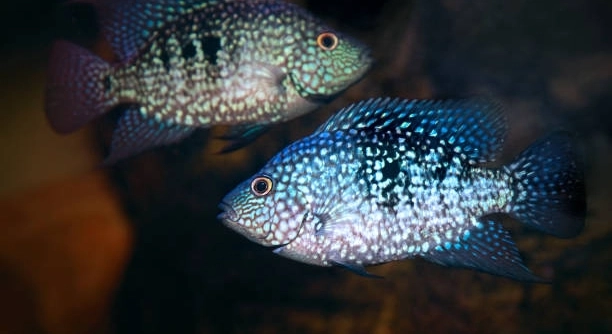
Have you ever moved a Jack Dempsey fish and noticed it acting stressed or hiding for hours? Handling these vibrant cichlids can be tricky, and even small mistakes may affect their health and behavior significantly.
The most common mistakes when moving Jack Dempsey fish include sudden water changes, improper handling, and using unsuitable containers. Stress from these errors can weaken their immune system, cause injuries, and disrupt their acclimation to a new tank environment.
Knowing what to avoid when relocating your fish will help maintain their health and ensure a smoother transition into a new habitat.
Choosing the Wrong Container
When moving a Jack Dempsey fish, selecting the wrong container can cause serious stress. Small bowls or containers without a lid are not safe because the fish can jump out. The container should be large enough for the fish to turn around comfortably. Plastic bags designed for fish transport work, but they should be filled only partially with water to allow enough oxygen. Adding an air stone or oxygen tablet can help if the trip is long. Temperature stability is also important. Sudden changes in temperature can shock the fish and weaken its immune system. Make sure the water in the container matches the temperature of the tank it’s leaving. Handling the fish gently and minimizing the time it spends in the container can reduce stress. Always cover the container to reduce external stimuli like light and movement, which can make the fish more anxious.
Using a secure, appropriately sized container helps your fish remain calm and safe.
Proper containers prevent injuries and keep the fish’s environment stable during the move. Paying attention to water volume, oxygen, and temperature ensures the fish adapts quickly and avoids unnecessary stress. Even a few simple adjustments can make a big difference in their health.
Sudden Water Changes
Sudden water changes can shock a Jack Dempsey fish.
Drastic differences in water parameters like pH, hardness, or temperature can harm the fish. Always acclimate the fish gradually to the new tank water using the drip method or by mixing small amounts of the new water into the container over time. This prevents shock and reduces stress. Monitor the fish carefully during the first hours after moving to ensure it adjusts well.
Acclimating a Jack Dempsey properly is essential to its health. Rapid water changes can lead to stress, illness, or even death. Slowly adjusting the fish to the new tank allows its body to adapt to different parameters safely. Using gradual water changes helps maintain stability in the fish’s environment. This step is critical because Jack Dempsey fish are sensitive to chemical and temperature differences. Skipping this process may result in disease outbreaks, decreased appetite, or unusual hiding behavior. Even experienced hobbyists must take time to acclimate their fish to prevent setbacks. A patient approach ensures the fish maintains normal behavior and thrives in its new home. Consistent water testing and monitoring can further reduce risks, making the transition safer. By following careful acclimation steps, the fish will remain healthy and adjust smoothly.
Overcrowding During Transport
Overcrowding increases stress and can cause injuries. Each Jack Dempsey needs enough space to move without bumping into other fish or the container walls.
Keeping the fish separated during transport reduces fighting and stress. Overcrowding can also lower oxygen levels quickly, making it harder for the fish to breathe. Using multiple containers for several fish ensures safety. Monitoring water temperature and quality becomes easier with fewer fish per container. Even short trips can become dangerous if space is limited. Proper planning before moving helps prevent these problems and keeps the fish calm and healthy throughout the transfer.
Stress from overcrowding can weaken the immune system and increase susceptibility to disease. Fighting may result in torn fins, scratches, or internal injuries. Fish in crowded conditions often hide constantly and eat less, which affects long-term health. Taking extra time to separate fish by size and temperament during transport prevents conflicts. Containers should be filled to an appropriate level, leaving room for oxygen and movement. Providing a quiet, dim environment reduces panic and helps the fish remain stable. With careful preparation, overcrowding can be avoided entirely, keeping the fish safe and minimizing stress-related complications.
Temperature fluctuations are another concern during crowded transport. Small containers heat or cool faster than larger tanks, which can shock the fish. Monitoring and stabilizing water temperature with insulated containers or temperature packs prevents sudden changes. Combining this with proper space allocation ensures that fish arrive healthy and ready to acclimate to their new tank.
Handling with Bare Hands
Handling Jack Dempsey fish with bare hands can damage their slime coat, leaving them vulnerable to infections. Gloves or a soft net are safer alternatives.
The slime coat protects fish from bacteria and parasites. When this layer is damaged, even minor scratches can become infected. Nets should be soft and free of rough edges. If gloves are used, they should be wet to avoid removing the protective layer. Minimizing contact reduces stress and prevents accidental injuries. Handling should be quick but careful, only when necessary, such as moving the fish between containers or inspecting its health.
Rough handling can lead to long-term health issues. Fish may develop fin rot, ulcers, or weakened immunity. Stress from frequent handling may cause unusual behavior, such as hiding or refusing food. Using proper techniques, like wet nets and gentle movements, significantly reduces risks. Transport and maintenance procedures should be designed to minimize direct contact. Even routine checks should be done with care to protect the fish’s protective coating. Combining careful handling with stable water conditions ensures the fish stays healthy and stress-free during moves. Preparing in advance prevents emergencies and keeps the fish safe throughout the process.
Feeding Right Before Moving
Feeding your Jack Dempsey right before a move can cause water quality issues and stress. Uneaten food may spoil quickly in transport containers, reducing oxygen and increasing ammonia levels.
It is better to feed the fish several hours before moving. This gives them time to digest and reduces waste during transit.
Transporting in Poor Water Conditions
Water with incorrect pH, hardness, or contaminants can harm the fish during transport. Using water from the original tank or properly treated water prevents chemical shock. Maintaining stable parameters is critical, as Jack Dempseys are sensitive to rapid changes.
Ignoring Stress Signs
Stress signs include rapid gill movement, hiding, or erratic swimming. Observing these behaviors allows immediate adjustments to care or environment, reducing risks of illness.
FAQ
How long can I keep a Jack Dempsey in a transport container?
A Jack Dempsey can safely stay in a well-prepared transport container for several hours, ideally no more than 4–6 hours. Ensure the water is oxygenated, temperature is stable, and the container is partially filled to allow movement. Avoid long trips whenever possible.
Can I use tap water for transport?
Tap water can be used only if it has been treated to remove chlorine, chloramine, and heavy metals. Using untreated tap water can damage the fish’s gills and stress its system. If unsure, using water from the fish’s current tank is safer.
Is it okay to move multiple Jack Dempseys together?
Moving multiple fish together increases stress and may lead to aggression. It is best to transport one fish per container or carefully separate them with dividers. This reduces fighting and ensures adequate oxygen for each fish.
Should I feed my fish before moving?
Feeding right before transport is not recommended. Uneaten food can spoil quickly, reducing oxygen levels and increasing ammonia. Feed several hours before moving so digestion occurs and water quality remains stable during transit.
What is the safest way to acclimate them to a new tank?
The safest method is gradual acclimation using the drip method or by slowly mixing small amounts of new tank water into the transport water. This prevents sudden changes in pH, hardness, or temperature, which can stress or shock the fish.
Can temperature changes harm my fish during transport?
Yes. Jack Dempseys are sensitive to rapid temperature shifts. Using insulated containers or adding temperature packs for long trips helps maintain stability. Avoid leaving containers in direct sunlight or cold drafts.
How do I reduce stress during the move?
Covering the container reduces external stimuli, and gentle handling limits panic. Minimize the duration of the move and avoid loud noises or vibrations. Stable water parameters, appropriate container size, and limited handling all reduce stress.
Are nets safe for moving Jack Dempseys?
Soft, fine-mesh nets are safe if handled carefully. Avoid rough edges that can tear fins or remove the slime coat. Wetting your hands or gloves before contact further protects the fish’s protective layer.
What signs indicate my fish is stressed after moving?
Signs include hiding, rapid gill movement, loss of appetite, erratic swimming, or clamped fins. Observing these behaviors allows you to adjust the environment, check water parameters, or provide additional care. Early attention prevents illness.
Can I move fish at night or during the day?
Moving fish during cooler parts of the day can help maintain stable water temperature. Avoid peak heat hours to prevent temperature fluctuations. Dim lighting reduces stress and makes the fish calmer during transport.
How do I prevent ammonia buildup during transport?
Use only the necessary amount of water, avoid feeding before transport, and add oxygen or aeration if possible. Short trips reduce the risk, and monitoring water quality ensures the fish stays safe.
Is it safe to move sick or injured fish?
Transporting sick or injured fish increases stress and risk of further health issues. If unavoidable, isolate them in separate containers, maintain excellent water quality, and handle them very gently. Consult a veterinarian for serious conditions.
How quickly should I set up the new tank?
The new tank should be fully cycled and stable before moving the fish. Proper temperature, pH, and hardness must match the transport water as closely as possible to reduce shock and allow smooth acclimation.
Do Jack Dempseys need hiding spots after moving?
Yes. Providing hiding spots helps the fish feel secure and reduces stress. Rocks, plants, or decorations allow them to recover and adjust to their new surroundings at their own pace.
What’s the best way to handle long-distance moves?
For long trips, use insulated containers, oxygen supplementation, and frequent monitoring. Avoid overcrowding and keep water stable. Breaks may be necessary if the move exceeds several hours, ensuring the fish stays healthy.
Can sudden light or movement stress the fish?
Yes. Bright lights, sudden movements, or vibrations can panic the fish. Covering containers, reducing noise, and keeping the environment calm helps maintain stability and prevents injuries.
How do I clean the transport container after use?
Rinse the container with clean water and avoid harsh chemicals. Let it dry completely before reuse. Proper cleaning prevents disease transmission and ensures the container is safe for future use.
Should I monitor behavior after moving?
Monitoring behavior is crucial. Watch for hiding, appetite changes, or unusual swimming patterns. Promptly addressing issues helps prevent long-term health problems and ensures a smooth transition to the new tank.
Can water additives help during transport?
Some water conditioners or stress reducers can help reduce ammonia buildup or calm fish. Use them according to instructions, but do not rely solely on additives; proper handling and stable water conditions are still essential.
How long does it take for a Jack Dempsey to fully settle in a new tank?
It may take several days for the fish to return to normal behavior. Providing a calm environment, stable water parameters, and hiding spots helps speed up the adjustment process. Patience is key to their recovery and long-term health.
This FAQ covers the most common concerns when moving Jack Dempsey fish. Following these guidelines ensures the fish remains healthy, calm, and adapts well to its new environment without unnecessary stress or injury.
Final Thoughts
Moving a Jack Dempsey fish can seem challenging, but understanding their needs makes the process much easier. These fish are sensitive to changes in their environment, and even small mistakes can lead to stress or health problems. By planning ahead, choosing the right containers, and ensuring stable water conditions, you can make the move as smooth as possible. Paying attention to details like temperature, oxygen levels, and water quality helps the fish remain calm and reduces the risk of injury or illness. Gentle handling and minimizing contact also protect the fish’s protective slime coat, which is essential for their health. Every precaution you take contributes to a safer and less stressful experience for your fish.
It is important to remember that Jack Dempseys, like all fish, respond to their surroundings. Sudden water changes, overcrowding, or poor handling can weaken their immune system and increase susceptibility to disease. Acclimating the fish slowly to its new tank and observing its behavior afterward is critical. Signs like hiding, rapid gill movement, or loss of appetite indicate stress and may require adjustments to the environment. Providing hiding spots in the new tank can make a big difference, giving the fish a safe place to recover. Careful planning and observation during and after the move ensures that your Jack Dempsey adapts well and remains healthy. Patience is essential, as rushing the process or skipping steps can lead to long-term problems that could have been avoided.
Finally, keeping your fish healthy during a move is not just about the transport itself. Proper preparation, stable water parameters, and a calm environment all work together to support their wellbeing. Using soft nets or gloves when handling, limiting direct contact, and avoiding feeding immediately before the move reduce risks. Monitoring behavior and water quality both during and after the move helps catch potential issues early. By following these steps, you not only ensure the immediate safety of your Jack Dempsey but also support its long-term health and comfort in its new tank. Careful attention to detail, a calm approach, and proper preparation are the keys to a successful move that leaves your fish safe, stress-free, and ready to thrive.

Hello,
If you enjoy the content that we create, please consider saying a "Thank You!" by leaving a tip.
Every little bit helps us continue crafting quality advice that supports the health, happiness, and well-being of pets around the world, for pets of all shapes, sizes, and species.
We really appreciate the kindness and support that you show us!