
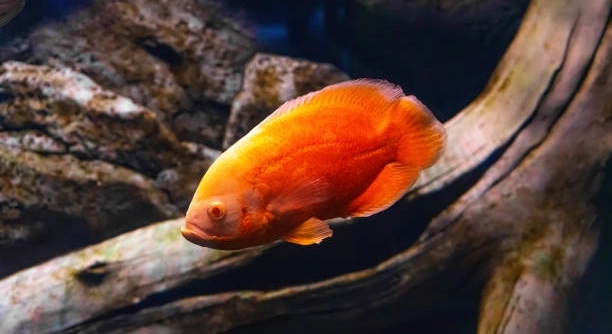
Introducing a new Oscar fish into your aquarium can be an exciting experience. However, it’s important to avoid some common mistakes that can affect their health and well-being. Here’s what you need to know.
Introducing a new Oscar fish can be tricky if not done properly. Common mistakes include not properly acclimating the fish, overcrowding the tank, or failing to monitor water conditions. These errors can lead to stress and illness in your new pet.
Understanding these key factors will help you ensure a smoother transition for your Oscar fish. The following tips will help you avoid common mistakes, ensuring that your new fish stays happy and healthy in its new home.
Not Properly Acclimating the Fish
One of the most common mistakes when introducing a new Oscar fish is not acclimating it properly to the tank. When fish are introduced to a new environment too quickly, it can cause severe stress, leading to health problems. Oscars, like many other fish, are sensitive to sudden changes in temperature, pH, and water quality. It’s important to allow them time to adjust gradually.
To acclimate your Oscar fish, you should float the bag with the fish in your aquarium for 15-20 minutes. This helps the fish slowly adjust to the water temperature. After that, open the bag and add a small amount of tank water into it every 5 minutes. This process helps your new fish get used to the tank’s water conditions without the shock of a rapid transition.
Skipping this step or rushing it can lead to shock, illness, or even death. Always take the time to do it right. It’s better to spend an extra 30 minutes now than to deal with the consequences of a stressed fish later.
Overcrowding the Tank
Adding too many fish too quickly can lead to overcrowding, which can cause stress for your Oscar. When Oscars feel cramped, they can become aggressive or sick.
In the long run, overcrowding can also lead to poor water quality as the filtration system may not be able to keep up with the waste from too many fish. This can result in higher ammonia levels and unsafe water conditions, making it hard for any fish to thrive.
Poor Water Quality
Oscar fish thrive in clean water, but neglecting water quality can lead to serious problems. They are particularly sensitive to changes in ammonia, nitrite, and nitrate levels. Poor water conditions can lead to stress, illness, or even death in your new fish.
Regular water changes are necessary to keep the tank healthy. Test the water frequently to monitor the levels of ammonia and nitrites. If these levels are high, perform a water change immediately. Additionally, ensure the filtration system is working efficiently to maintain optimal water conditions. Keep in mind that the right water temperature, pH, and hardness are just as important to prevent stress in the Oscar.
Without clean water, your Oscar fish will likely face serious health problems, including skin infections, fin rot, or internal diseases. A simple yet consistent maintenance routine can prevent these issues and help your Oscar adjust better to its new home.
Ignoring Tank Size
Oscar fish grow large and require a spacious tank. A small tank can restrict their movement and cause them to become stressed or aggressive. To ensure their well-being, you should provide at least a 75-gallon tank, even for a single fish.
An undersized tank not only leads to stress but also makes it more difficult to maintain stable water conditions. Smaller tanks can heat up and cool down too quickly, leading to sudden temperature fluctuations that are harmful to your fish. Additionally, smaller tanks accumulate waste faster, leading to higher ammonia levels. This can weaken your Oscar’s immune system and make it prone to disease.
By providing the proper tank size, your Oscar will have enough space to swim comfortably, reducing the chances of stress or aggression. This also ensures that the water quality remains stable and easier to manage, promoting the long-term health of your Oscar fish.
Inadequate Diet
Oscar fish need a well-balanced diet to stay healthy. Feeding them the wrong food or overfeeding can lead to digestive issues, obesity, and even early death. It’s crucial to feed them a variety of high-quality food like pellets, frozen, or live foods.
Overfeeding is another mistake to avoid. Oscars will often beg for food, but feeding them too much can result in uneaten food polluting the tank. It can also cause them to become overweight, which leads to further health problems like swim bladder issues. Stick to feeding your Oscar two or three times a day with only what they can consume in a few minutes.
Lack of Hiding Spots
Oscar fish can get stressed if there aren’t enough hiding spots in their tank. These fish are territorial and will benefit from caves, plants, or rocks to create a sense of security.
Without hiding spots, your Oscar may become aggressive or even try to harm itself by rubbing against objects. It’s important to provide natural shelters in the tank so your Oscar can retreat and feel safe. This will help reduce stress and keep aggression in check. Be sure that any decorations are smooth and don’t pose a risk of injury.
Incorrect Tankmates
Choosing the wrong tankmates for your Oscar can lead to aggression or even harm. Oscars are predatory fish and may attack smaller, slower-moving species. It’s important to select tankmates that can handle the Oscar’s temperament.
Aggressive or overly shy fish are not suitable companions. If you want peaceful cohabitation, consider other large, robust fish that can defend themselves, such as larger cichlids or catfish. Avoid small, delicate species, as your Oscar may see them as food or target them out of curiosity. The right tankmates will help maintain a peaceful aquarium environment.
FAQ
How often should I feed my Oscar fish?
Oscar fish should be fed two or three times a day, depending on their age and size. Adult Oscars typically require larger meals, so feeding them once in the morning and once at night is usually sufficient. Younger Oscars may need more frequent feeding, but be careful not to overfeed. Always ensure that the amount of food offered can be eaten in a few minutes to avoid leftover food polluting the tank.
What is the best type of food for Oscar fish?
Oscars are carnivores and thrive on a variety of foods, including high-quality pellets, frozen foods like bloodworms, brine shrimp, and earthworms, or live food such as feeder fish. Pellets made specifically for Oscars can provide balanced nutrition, but supplementing with frozen or live food is ideal to keep them healthy. Offering a varied diet ensures they receive the necessary nutrients for growth and health.
Can Oscar fish live with other fish?
While Oscar fish can live with other fish, it’s essential to choose their tankmates carefully. Oscars are aggressive and territorial, particularly when they’re fully grown. Avoid placing small or slow-moving fish with your Oscar, as they may get bullied or even eaten. Larger, robust fish like other cichlids, catfish, or large plecos can generally cohabit with Oscars. Be sure the other fish can handle the Oscar’s behavior and that the tank is large enough for everyone.
How can I tell if my Oscar fish is sick?
Oscar fish can show signs of illness in various ways. Look for changes in their behavior, such as reduced appetite, swimming in circles, staying at the bottom of the tank, or rubbing against objects. Physical signs like faded color, abnormal spots, swelling, or open sores could indicate a health issue. It’s important to monitor their condition closely and act quickly. If in doubt, it’s best to consult a veterinarian specializing in fish care.
What size tank does my Oscar fish need?
An adult Oscar fish requires a tank size of at least 75 gallons, though larger is always better. This is essential to provide enough space for swimming and to maintain water quality. Oscars are active swimmers and produce a lot of waste, which can quickly pollute a small tank. A larger tank helps keep water parameters stable and allows your fish to grow to their full potential.
Can Oscar fish live with plants?
Oscar fish can live with plants, but it can be a challenge. Oscars are known to dig and rearrange their tanks, which may uproot or damage plants. Hardy plants like Anubias or Java ferns can be more successful in an Oscar tank, especially if anchored securely. However, you may need to use a plastic or metal barrier to protect the plants from your Oscar’s digging habits.
How do I clean my Oscar fish tank?
Maintaining clean water is critical for your Oscar’s health. Perform regular water changes, at least 25-30% every two weeks. Use a siphon to remove debris from the substrate and check the water parameters regularly to ensure they are within safe ranges. Clean the filter monthly to ensure proper water circulation. Be sure not to clean all tank components at once, as this can disrupt the beneficial bacteria that help process waste.
Why is my Oscar fish being aggressive?
Oscar fish can be aggressive for several reasons, including territorial behavior, stress, or competition for food. If your Oscar is living with other fish, it may become aggressive towards them, especially if the tank is too small or if there are not enough hiding places. Providing plenty of space, hiding spots, and maintaining a consistent routine can help reduce aggression. If the aggression is severe, it may be necessary to separate your Oscar from other tankmates.
What temperature should my Oscar fish tank be?
Oscar fish prefer warmer water, typically between 75°F and 80°F (24°C to 27°C). It’s essential to keep the water temperature stable, as sudden changes can stress the fish. Use a reliable aquarium heater and thermometer to monitor and adjust the temperature as needed. Avoid temperature fluctuations to prevent health issues such as weakened immune systems.
How do I prevent my Oscar fish from jumping out of the tank?
Oscar fish are known to jump, particularly if they feel threatened or stressed. To prevent this, ensure your tank has a secure lid or cover. Make sure there are no gaps or openings where the fish could escape. Providing hiding spots and reducing stress factors in the tank, like bright lighting or sudden loud noises, can also help reduce the likelihood of jumping.
Do Oscar fish need aeration?
While Oscar fish do not require aeration as much as some other species, it’s still important to maintain adequate oxygen levels in the tank. A strong filtration system can provide enough water movement to keep oxygen levels stable. If you notice your Oscar gasping for air at the surface, it may indicate poor oxygen levels, and additional aeration may be needed.
How can I tell if my Oscar fish is happy?
A healthy and happy Oscar will display active and natural behavior. It will swim around the tank, interact with the environment, and feed normally. If your Oscar is hiding, lethargic, or showing signs of stress, it might be unhappy or unwell. A good indicator of happiness is consistent swimming and a normal appetite.
Final Thoughts
Introducing a new Oscar fish into your aquarium can be an exciting experience, but it comes with responsibilities. Understanding the basic needs of your Oscar, from water quality to tank size, is essential to ensure its health and happiness. This fish can grow large and needs plenty of space, so be prepared to provide a suitable environment. Regular tank maintenance, including water changes and keeping the tank clean, will go a long way in preventing potential health issues.
One of the most crucial aspects of keeping an Oscar is proper diet. These fish are carnivores, and their diet should include a variety of high-quality foods. While pellets are convenient and nutritious, offering live or frozen foods will help provide a balanced and stimulating diet. Overfeeding should be avoided, as it can lead to health problems like obesity. Stick to feeding your Oscar a controlled amount of food twice a day, ensuring that it can eat everything in a short period. This will help maintain a healthy and active fish.
Lastly, tankmates and water conditions play a significant role in your Oscar’s well-being. Oscars can be aggressive, especially when they feel threatened or stressed, so it’s important to choose compatible tankmates. Smaller, slower-moving fish should be avoided, as Oscars might see them as food. Make sure the water temperature and quality are always within the recommended ranges to prevent stress and illness. With the right care, your Oscar will thrive and become a beautiful and active addition to your home aquarium.

Hello,
If you enjoy the content that we create, please consider saying a "Thank You!" by leaving a tip.
Every little bit helps us continue crafting quality advice that supports the health, happiness, and well-being of pets around the world, for pets of all shapes, sizes, and species.
We really appreciate the kindness and support that you show us!