
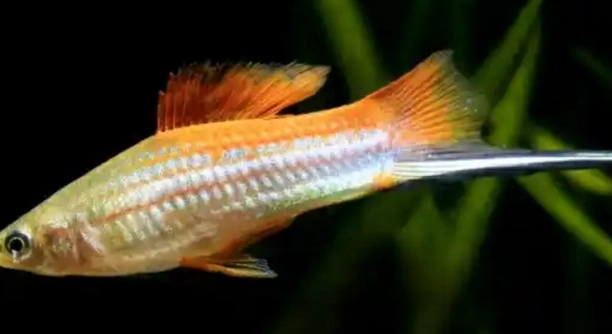
Many swordtail owners face challenges when it comes to feeding their fish properly. Mistakes can lead to health issues, making it crucial to know the right practices. Ensuring a balanced diet is essential for their well-being.
Feeding swordtails incorrectly, such as offering inappropriate food types or overfeeding, can cause digestive issues and poor health. Proper feeding involves providing the right nutrients, serving appropriate portion sizes, and adjusting their diet based on growth and activity levels.
Understanding these common mistakes will help you care for your swordtails and avoid potential health problems, keeping them thriving in your aquarium.
Overfeeding Swordtails
Overfeeding is one of the most common mistakes swordtail owners make. When fish are given more food than they can consume, it leads to uneaten food that settles at the bottom of the tank. This excess food rots, leading to water pollution and potential health risks for the fish. Moreover, swordtails can become obese if overfed, which can strain their organs and lead to issues like fatty liver disease. Monitoring feeding times and amounts is key to ensuring your swordtails remain healthy.
Feeding swordtails once or twice a day with only the amount they can consume in a few minutes is ideal. This prevents excess food from causing water quality problems and helps maintain their optimal health.
In addition to overfeeding, swordtails may also be given food that doesn’t meet their nutritional needs. Offering a variety of foods, such as high-quality pellets, frozen or live food, and occasional plant matter, helps maintain their health. It’s important to remember that a balanced diet should cater to their specific needs to promote proper growth and vibrant color. Regular water changes and avoiding overfeeding will ensure your swordtails thrive in your tank.
Poor Water Quality
Maintaining clean water is essential for swordtail health. Poor water conditions can lead to stress, illness, and premature death.
Swordtails are sensitive to toxins in the water, including ammonia, nitrites, and nitrates. These harmful substances can accumulate quickly in a tank if it isn’t cleaned regularly. Keeping the water temperature stable and changing it regularly will help ensure your swordtails stay in a healthy environment.
Incorrect Food Choices
Swordtails need a balanced diet. Offering them the wrong type of food can cause nutritional imbalances, leading to health issues like poor growth and weak immune systems. Make sure to choose food specifically designed for tropical fish to meet their nutritional needs.
Feeding them flakes or pellets designed for general fish isn’t always sufficient. Swordtails require high-quality, species-specific food to thrive. Look for options rich in protein and vitamins, as swordtails are omnivores and benefit from both plant matter and animal protein in their diet. Additionally, feeding them food that floats on the surface can cause them to become too lazy to forage, leading to reduced exercise and health problems.
Some owners mistakenly offer food that is too large or difficult for their swordtails to consume. Always choose appropriately sized food that they can easily swallow to prevent choking or digestive issues. Offering a variety of food types, such as live or frozen brine shrimp and daphnia, will keep their diet diverse and nutritious.
Lack of Variety in Diet
Swordtails can get bored with a repetitive diet. A lack of variety can lead to them refusing food or developing nutritional deficiencies. Rotating different food types ensures they get all the necessary nutrients and keeps their interest high.
Offering a mix of flakes, pellets, and live or frozen food like brine shrimp or bloodworms ensures they receive a balanced diet. Introducing occasional plant matter, such as algae wafers, will also benefit their digestive system. Swordtails may also enjoy small pieces of blanched vegetables, such as zucchini or spinach. This variety supports their long-term health.
Feeding Swordtails in a Dirty Tank
Feeding swordtails in a dirty tank can cause various health problems. When the water quality deteriorates, uneaten food and waste can contribute to high ammonia levels, leading to stress and diseases. Always ensure your tank is clean before feeding your swordtails.
Regular water changes and tank maintenance help keep the environment suitable for feeding. Use a good filtration system to reduce waste build-up and monitor water parameters closely to maintain optimal conditions. Swordtails are sensitive to poor water quality, and feeding them in a dirty tank can lead to complications like fin rot or fungal infections.
Ignoring Water Temperature
Swordtails prefer warm water, typically between 72°F and 78°F (22°C to 26°C). When water temperature fluctuates or is too cold, their metabolism slows, reducing their appetite and making digestion less efficient. This can lead to nutritional deficiencies. A stable temperature is essential for their overall health.
Investing in a reliable aquarium heater helps maintain a steady temperature. Monitor the water with a thermometer to ensure it stays within the ideal range for swordtails. Avoid sudden temperature changes, as these can cause stress and even illness.
FAQ
How often should I feed my swordtails?
Swordtails should be fed once or twice a day. A consistent feeding schedule is best. Give them only as much food as they can consume within a few minutes to avoid overfeeding. Adjust the amount based on the number of fish and their size.
What type of food should I feed swordtails?
Swordtails benefit from a balanced diet that includes both plant-based and protein-rich foods. Offer high-quality tropical fish flakes or pellets, as well as live or frozen foods like brine shrimp or daphnia. Occasionally add blanched vegetables like spinach or zucchini for variety.
Can I feed swordtails live food?
Yes, swordtails enjoy live foods like brine shrimp, daphnia, and bloodworms. These foods are rich in nutrients and encourage natural hunting behavior. Live food should be offered in moderation to prevent overfeeding and to avoid disrupting their digestion.
How much should I feed swordtails?
Feed swordtails only as much food as they can eat in a few minutes. Overfeeding leads to water contamination and health problems. Monitor their eating habits, and remove any leftover food to keep the tank clean. Start with small portions and adjust as needed.
Is it okay to feed swordtails only pellets?
While pellets are convenient, feeding swordtails only pellets isn’t ideal. They benefit from a varied diet, which includes both plant and animal matter. Pellets alone can lack the variety of nutrients swordtails need. Supplement their diet with live food, vegetables, and occasional treats.
Can swordtails eat vegetables?
Yes, swordtails can eat vegetables. Blanched vegetables like spinach, zucchini, and peas provide important nutrients and fiber. Vegetables should be added to their diet in moderation and in small pieces, as swordtails may not consume large chunks.
Should I feed swordtails at night?
Feeding swordtails at night isn’t necessary, as they are diurnal fish. They feed best during the day when they are active and alert. Avoid feeding them late at night, as uneaten food can sit in the tank and affect water quality.
How do I know if I’m overfeeding my swordtails?
If your swordtails are constantly swimming near the surface and seem to be waiting for food, it could indicate that they’re being overfed. Also, if you notice leftover food in the tank or the water becomes cloudy, reduce feeding amounts to prevent overfeeding.
Can swordtails go without food for a few days?
Swordtails can survive without food for a few days, but it’s not ideal. They can manage short periods without eating, especially if they are healthy, but regular feeding ensures they receive necessary nutrients for proper growth and energy.
What happens if swordtails are underfed?
Underfeeding swordtails can cause malnutrition, slow growth, and weakened immune systems. They may also become more susceptible to diseases. If swordtails are not eating enough, their colors may dull, and they may appear lethargic or weak. Always ensure they are receiving proper portions.
Can swordtails eat the same food every day?
Feeding swordtails the same food daily is fine for short periods, but variety is important for their long-term health. Offer different types of food, such as flakes, pellets, live or frozen foods, and vegetables to ensure a balanced diet and keep them interested in eating.
Do swordtails need a special diet for breeding?
Breeding swordtails require a nutrient-rich diet to support their reproductive health. Provide high-quality protein-rich food, such as live or frozen brine shrimp, bloodworms, and high-quality flakes. A balanced diet ensures that the female swordtail has the energy to carry and give birth to healthy fry.
Can swordtails eat food meant for other fish?
Swordtails can eat food meant for other fish, but it’s important to ensure that the food is appropriate for their dietary needs. Foods designed for other tropical fish are generally fine but may lack the specific nutrients swordtails require. Always check the label to ensure the food is suitable.
What is the best way to introduce new food to swordtails?
Introduce new food gradually to swordtails. Start by offering small amounts alongside their regular diet to see if they accept it. Slowly increase the new food portion while reducing the old food to help them adjust without stress or digestive issues.
Can swordtails eat food that sinks?
Yes, swordtails can eat sinking foods. While they are surface feeders, they will readily take sinking food if they are hungry. Ensure that sinking food is appropriately sized for their mouth and offers the right nutrients. You can also use sinking pellets or wafers as an occasional treat.
Is there a special feeding technique for young swordtails?
Young swordtails require smaller, finely crushed food or live foods like infusoria, brine shrimp, and microworms. They have small mouths, and offering smaller food particles ensures they can feed properly. As they grow, you can gradually introduce larger portions and more diverse food types.
Do swordtails eat algae in the tank?
Swordtails may nibble on algae, but they should not rely on it as their primary food source. They are omnivores and need a balanced diet consisting of both plant and animal matter. Algae can serve as a supplement but shouldn’t replace other nutritious food.
Can swordtails eat fish flakes only?
Swordtails can eat fish flakes, but they shouldn’t be their only food source. Fish flakes are good for providing basic nutrition, but swordtails also need protein-rich foods and vegetables. Flakes alone may lack essential nutrients like fiber and essential fatty acids.
How do I know if my swordtails are eating enough?
Swordtails that are eating enough will have a healthy, active appearance. They will swim actively and show interest in food during feeding times. If they are not eating enough, they may appear sluggish, lose color, or have a sunken belly. Regularly monitor their behavior and appearance.
How should I adjust my swordtails’ diet as they age?
As swordtails age, their dietary needs change. Adult swordtails require less protein but more fiber. Focus on a balanced diet that includes a mix of high-quality pellets, live or frozen food, and vegetables. Older swordtails may need smaller portions but still require variety for health.
Can swordtails eat the same food as goldfish?
Swordtails and goldfish have different dietary needs. Goldfish are primarily herbivores and need more plant-based foods, while swordtails are omnivores that require a mix of plant and animal protein. Feeding them the same food isn’t ideal, as it may not meet the nutritional needs of both species.
Final Thoughts
Feeding swordtails properly is essential for their health and well-being. They require a balanced diet that includes both plant and animal-based foods to thrive. Swordtails are not overly demanding when it comes to food, but providing variety in their diet helps ensure they get all the nutrients they need. Regular feeding routines and portion control also play a significant role in maintaining a healthy tank environment. By offering the right amount of food and cleaning up leftovers promptly, you can avoid water contamination and reduce the risk of diseases that result from poor water quality.
It’s important to pay attention to water temperature, cleanliness, and the type of food you offer. Swordtails thrive in warm, stable water, and feeding them in a clean tank reduces the chances of them becoming stressed or sick. Overfeeding can be just as harmful as underfeeding, as it can lead to water pollution, which in turn affects the fish’s overall health. Properly managing their diet ensures that they get the necessary nutrition without overloading the tank with uneaten food. A clean, well-maintained tank combined with the right feeding habits will keep your swordtails healthy and active.
Understanding the needs of your swordtails will help you avoid common feeding mistakes. From choosing the right foods to ensuring that the tank is in optimal condition, these simple steps can make a big difference. Swordtails are relatively easy to care for, but attention to detail is key. With a little effort and care, your swordtails will thrive and continue to be a vibrant addition to your aquarium. By following proper feeding practices, you can enjoy watching them grow and flourish in their healthy environment.

Hello,
If you enjoy the content that we create, please consider saying a "Thank You!" by leaving a tip.
Every little bit helps us continue crafting quality advice that supports the health, happiness, and well-being of pets around the world, for pets of all shapes, sizes, and species.
We really appreciate the kindness and support that you show us!