
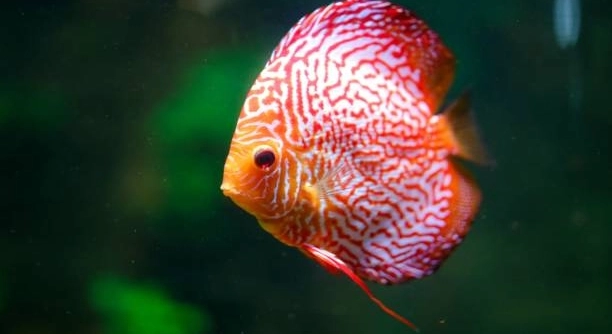
Adjusting water for discus fish is a common task for aquarium enthusiasts. Proper water conditions are essential to keep discus healthy and vibrant. Small mistakes in this process can lead to stress or illness for these delicate fish.
Seven common mistakes occur when adjusting water for discus, including incorrect pH balance, unstable temperature, improper water hardness, overuse of chemicals, poor filtration, sudden changes, and ignoring regular testing. Each error can negatively affect discus health and water quality.
Knowing these pitfalls helps improve your aquarium care and ensures a better environment for your discus fish to thrive and remain healthy over time.
Incorrect pH Balance
Maintaining the correct pH level in discus tank water is crucial. Discus prefer slightly acidic to neutral water, usually around 6.0 to 7.0 pH. If the pH is too high or too low, it can cause stress and weaken their immune system. Sudden shifts in pH are even more harmful than a steady pH outside the ideal range. Many beginners overlook testing their water regularly or try to adjust pH too quickly. Rapid changes can shock the fish, leading to illness or death. Using chemical additives without understanding their effects can also disrupt the balance. A stable pH environment helps discus adapt and thrive over time. It is important to introduce changes slowly and test water frequently to ensure the pH remains consistent.
Keeping pH stable requires patience and regular monitoring. Testing kits should be used weekly to catch any fluctuations early.
Adjusting pH naturally can be done by using driftwood or peat moss, which release tannins and lower pH slowly. Avoid adding chemicals rapidly to prevent sudden changes. Regular partial water changes with properly conditioned water also help maintain the desired pH. Gradual adjustments allow discus to stay healthy and reduce stress caused by environmental shifts.
Unstable Temperature
Temperature fluctuations cause major stress for discus. They thrive best in stable, warm water, typically between 82°F and 86°F (28°C to 30°C). Even small temperature drops can affect their metabolism and immune system. Frequent changes weaken their defenses against disease and make recovery slower. Some setups lack adequate heaters or rely on room temperature, which varies too much. Using a reliable aquarium heater with a thermostat helps maintain steady warmth. Avoid placing the tank near drafts or direct sunlight, which can cause temperature swings. Monitoring temperature daily is important to prevent harmful changes.
A consistent temperature supports discus health and encourages natural behavior.
If your tank temperature varies too much, discus may become sluggish or hide frequently. Stress can lead to secondary infections or poor growth. Using a backup heater or insulating the tank helps reduce the risk of sudden drops. Investing in a good-quality thermostat prevents overheating or cooling. If you notice frequent changes, check equipment and room conditions. Keeping temperature stable also improves oxygen levels and overall water quality, benefiting all tank inhabitants. Discus will show better color and appetite with proper heat management.
Improper Water Hardness
Water hardness affects discus health and comfort. Discus prefer soft to moderately hard water. Too hard or too soft water can cause stress and interfere with their natural biological processes.
Hard water contains high levels of minerals like calcium and magnesium. These minerals affect the fish’s ability to regulate their internal environment. When hardness is too high, discus may struggle with osmoregulation, which can weaken their immune system and cause sluggish behavior. On the other hand, water that is too soft may lack essential minerals needed for proper growth and development. Balancing water hardness is key to creating a stable environment. Use test kits to monitor levels regularly and adjust with conditioners or mineral additives as needed. Avoid making sudden changes to water hardness to prevent shocking the fish.
Maintaining consistent water hardness supports better health, coloration, and activity levels in discus. Monitoring and adjusting hardness carefully helps keep discus comfortable and thriving over time.
Overuse of Chemicals
Excessive use of chemicals in discus tanks can lead to dangerous imbalances. Many chemicals designed to treat water or diseases can build up and cause harm if not used carefully. Overdosing or mixing chemicals improperly creates toxic conditions. Some hobbyists rely too heavily on additives for quick fixes instead of addressing underlying problems like filtration or water changes.
Repeated chemical treatments can disrupt beneficial bacteria crucial for breaking down waste. This leads to ammonia or nitrite spikes, which are highly toxic. It’s best to use chemicals only when necessary and follow manufacturer instructions precisely. Regular testing helps detect any negative impact early. Sometimes improving tank maintenance and water quality eliminates the need for frequent chemical use. A more natural approach fosters a stable, healthier environment for discus fish, reducing stress and disease risks.
Poor Filtration
Filtration is essential to maintain clean, healthy water for discus. Without proper filtration, waste and toxins accumulate quickly. This leads to harmful ammonia and nitrite spikes that stress fish and promote disease.
Choosing the right filter size and type is important. Filters must handle the tank’s volume and provide biological, mechanical, and chemical filtration. Regular cleaning and maintenance keep filters working efficiently.
Sudden Changes
Sudden water changes shock discus and cause stress. Rapid shifts in temperature, pH, or hardness disrupt their delicate balance and can weaken their immune system. Stability is key to keeping discus healthy.
Always introduce changes slowly over several days. Gradual adjustments allow discus time to adapt and avoid unnecessary stress. Using small, frequent water changes helps maintain consistent water conditions and reduces risks associated with sudden changes.
Ignoring Regular Testing
Regular testing is critical for a discus tank’s health. Testing water parameters like pH, hardness, ammonia, nitrite, and nitrate helps catch problems early. Neglecting testing means risks go unnoticed, causing avoidable health issues.
Keeping a testing schedule and recording results ensures you respond promptly to water quality changes, protecting discus from harmful conditions.
FAQ
Why is adjusting water important for discus?
Discus are sensitive fish that need specific water conditions to stay healthy. Their natural habitat has soft, slightly acidic water with stable temperature and chemistry. If water conditions in your tank are off, discus can become stressed, lose color, or develop illnesses. Adjusting water helps create an environment close to their natural one, supporting their immune system and growth. Without proper water adjustment, discus may suffer from poor health and shortened lifespan.
How often should I test my aquarium water?
Testing water at least once a week is recommended. Regular testing helps spot changes in pH, hardness, ammonia, nitrites, and nitrates early. Frequent checks allow you to fix problems before they harm your fish. If you’re making water adjustments or treating illness, test more often to monitor progress. Keeping a log of results can help track trends and catch issues before they become serious.
Can I use tap water for my discus tank?
Tap water can be used if properly treated. Most tap water contains chlorine or chloramines, which are harmful to fish. Use a water conditioner to remove these chemicals before adding water to the tank. Also, test tap water for pH and hardness to know what adjustments are needed. Some tap water may be too hard or alkaline for discus, so mixing with purified or RO (reverse osmosis) water might be necessary.
What’s the best way to lower pH naturally?
Using natural materials like driftwood or Indian almond leaves can slowly lower pH. These release tannins that acidify water gently, which is safer for discus than chemicals. Peat moss in your filter can also reduce pH gradually. Avoid using harsh chemicals or acids to lower pH quickly, as rapid changes stress fish. Natural methods require patience but provide a stable environment that supports discus health.
How can I prevent sudden water changes?
Make small water changes regularly rather than large changes infrequently. Replace about 10-20% of the tank water once or twice a week. When adjusting parameters like pH or hardness, do so gradually by mixing treated water over several days. Use a heater and monitor temperature constantly to avoid drops. Sudden shifts in water chemistry or temperature are the most common cause of stress and disease in discus.
Is it necessary to use chemical additives?
Chemical additives are useful for fixing specific issues but should not be used routinely. Overuse can harm beneficial bacteria and create toxic buildup. Focus first on good filtration, water changes, and stable tank conditions. Use additives only when necessary and follow instructions carefully. Testing water before and after treatment ensures you don’t unintentionally worsen water quality.
How important is water hardness for discus?
Water hardness affects fish metabolism and overall health. Discus prefer soft to moderately hard water. Too hard water can cause stress and reduce their ability to regulate body functions. Too soft water may lack minerals needed for proper growth. Testing and adjusting hardness carefully with mineral additives or mixing purified water keeps discus comfortable and healthy.
What type of filtration works best for discus?
A combination of biological, mechanical, and chemical filtration is ideal. Biological filters grow beneficial bacteria that break down ammonia and nitrites. Mechanical filters remove debris, and chemical filters help remove toxins and discoloration. Choose filters rated for your tank size and clean them regularly to maintain efficiency. Proper filtration keeps water clear and safe for discus.
Can temperature affect water chemistry?
Yes, temperature impacts water chemistry and fish health. Higher temperatures reduce oxygen levels but speed up fish metabolism and bacterial activity. Lower temperatures increase oxygen but slow metabolism. Sudden temperature changes can alter pH and other chemical balances, stressing discus. Keeping temperature steady within their ideal range (82-86°F) supports stable chemistry and fish wellbeing.
What should I do if my discus shows signs of stress?
First, test your water parameters immediately. Check temperature, pH, hardness, ammonia, nitrite, and nitrate levels. If any are off, correct them slowly. Avoid sudden water changes or adding chemicals without knowing the cause. Improve filtration and water quality with regular partial water changes. Monitor behavior and appearance daily to catch worsening symptoms early. Stress signs include clamped fins, hiding, color fading, or reduced appetite. Prompt care helps prevent illness.
Final Thoughts
Adjusting water for discus requires careful attention and patience. It is not enough to simply fill the tank and hope for the best. Water parameters like pH, temperature, hardness, and cleanliness all affect the health and well-being of discus fish. Small mistakes can add up and cause stress, illness, or even death. Taking the time to understand the needs of discus and regularly testing water can make a significant difference. Consistency is key, as sudden changes are often more harmful than conditions that are slightly off but stable.
Creating the right environment for discus means paying attention to details. Using proper filtration, avoiding chemical overuse, and maintaining stable water conditions all contribute to a healthy tank. It’s important to remember that discus are sensitive and require more care than some other fish. By slowly adjusting water parameters and monitoring their effects, you help discus feel secure and comfortable in their home. This reduces stress and supports their natural colors and behaviors, making your aquarium more enjoyable to watch.
In the end, water adjustment is an ongoing process, not a one-time task. Regular testing and maintenance prevent problems before they develop. Even small changes, done carefully and with knowledge, improve the lives of your discus. Patience and attention to detail lead to a stable tank environment where discus can thrive. This thoughtful approach ensures that your fish stay healthy, active, and vibrant for many years.

Hello,
If you enjoy the content that we create, please consider saying a "Thank You!" by leaving a tip.
Every little bit helps us continue crafting quality advice that supports the health, happiness, and well-being of pets around the world, for pets of all shapes, sizes, and species.
We really appreciate the kindness and support that you show us!