
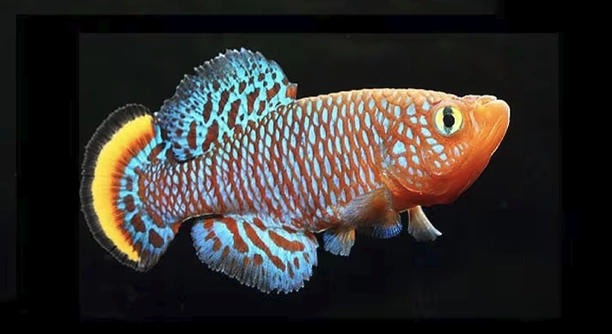
Are your Annual Killifish not thriving as expected, despite your best efforts to care for them in their tank environment?
The most common mistakes with Annual Killifish involve water quality, incorrect substrate, poor feeding habits, and mismatched tank conditions. These errors can shorten their lifespan, disrupt breeding, and impact their overall health and coloration.
Knowing what to avoid helps your killis live healthier, more vibrant lives and ensures your aquarium remains a stable and enriching habitat.
Using the Wrong Substrate
Annual Killifish need a specific type of substrate to support their breeding cycle. These fish lay eggs in soft, peat-like materials that mimic their natural environment. Using gravel, sand, or rough substrate can prevent successful spawning and stress the fish. Peat moss or coconut fiber allows eggs to be deposited and incubated properly. Without the right substrate, the eggs may fail to develop or become exposed to harmful conditions. It’s also important to keep the substrate damp but not overly wet, especially during the incubation period. After spawning, the substrate is usually removed and stored in a sealed container for a few weeks to simulate seasonal drying. This dry period is essential for hatching later. Skipping this step or using an incorrect substrate often results in poor hatch rates. Maintaining the right balance of moisture, warmth, and material gives your killis the best chance of successful breeding and healthy fry.
Choosing the wrong substrate can stop breeding entirely or lead to egg loss. Stick with soft, organic options like peat moss for better results.
If you want a reliable breeding cycle and healthy hatchlings, use materials that imitate the killifish’s natural habitat as closely as possible. Avoid rough or decorative substrates.
Overfeeding the Fish
Feeding too much food causes water quality to drop quickly. Excess food leads to waste build-up, which affects the fish’s health.
Annual Killifish require small, controlled portions of high-quality foods like live or frozen brine shrimp, daphnia, and bloodworms. Overfeeding not only pollutes the water but also encourages obesity and shortens lifespan. Uneaten food settles and breaks down, releasing harmful substances like ammonia. This can make your tank cloudy and irritate the fish’s gills. Stick to feeding once or twice a day in small amounts that the fish can finish within a couple of minutes. Remove any leftovers promptly. Observing their activity level and adjusting portions can help prevent issues. In smaller or uncycled tanks, the effects of overfeeding become visible very quickly. Poor water conditions can also disrupt breeding and stress the fish. It’s always safer to underfeed slightly than to give too much. A clean tank and healthy diet go hand in hand when caring for these delicate fish.
Ignoring Temperature Fluctuations
Temperature swings can cause stress, weaken the immune system, and shorten the lifespan of Annual Killifish. These fish prefer stable, warm temperatures that don’t vary throughout the day or night.
Keep the tank between 72–75°F (22–24°C) using a reliable heater and thermometer. Sudden drops or spikes in temperature can make the fish lethargic, reduce appetite, and trigger illnesses. Avoid placing the tank near windows or vents, as outside air can cause quick changes. During water changes, ensure the new water matches the tank’s temperature to prevent shock. If you live in a cooler climate, using a heater with a thermostat helps maintain consistent warmth. Some species may tolerate slight variations, but overall stability is key. A few degrees may not seem like much, but it matters. Stable temperatures also support egg development and hatching when breeding, making this detail especially important for long-term care.
Don’t rely solely on room temperature. Always check the tank’s conditions daily and adjust as needed. Subtle changes over time can cause hidden problems.
Skipping Water Changes
Skipping regular water changes leads to harmful toxin build-up. Even if the water looks clean, ammonia and nitrites can silently increase, harming your killis’ health. These fish are sensitive and need fresh, clean water to thrive.
Replace 25–30% of the tank water every week. Use dechlorinated water that’s close in temperature to the tank water. This helps keep nitrate levels low and prevents stress-related health issues. Consistent water changes also reduce the chances of algae growth and bacterial imbalances. When left unchanged, waste and excess nutrients accumulate, making the environment toxic over time. A dirty tank can cause skin irritation, fungal infections, and even sudden deaths. Clean water helps bring out the natural colors of Annual Killifish and encourages more active behavior. Even if you’re using a filter, don’t skip this step. Filtration alone isn’t enough to maintain long-term water quality.
Set a weekly schedule and stick to it. Clean water makes a visible difference in how your killis look and act.
Keeping Them With the Wrong Tankmates
Annual Killifish are often targeted by aggressive or fast-moving species. Fin nipping and bullying can cause injury, stress, and even death. They do best in species-only tanks or with very peaceful, slow-moving fish that won’t outcompete them for food.
Avoid housing them with barbs, large tetras, or cichlids. These tankmates often compete for food and create a tense environment. Even if there’s no physical aggression, constant movement can overwhelm and exhaust your killis.
Using Harsh Lighting
Bright lighting makes killis uncomfortable and washes out their color. They prefer dim, soft lighting that mimics their natural habitat. Overhead light should be filtered through floating plants or diffused with a lid cover. Intense light can lead to hiding and stress-related behavior.
Neglecting Egg Incubation
Egg incubation is one of the most important steps in breeding Annual Killifish. After eggs are laid in the substrate, they should be removed and stored properly. Keep them in a sealed container with slightly moist peat or coconut fiber. Store the container in a dark place at room temperature for several weeks, depending on the species. This dry incubation mimics seasonal drying in the wild. Do not let the substrate get too wet or too dry—both can ruin the eggs. Once the incubation period is over, rehydrate the substrate with dechlorinated water to trigger hatching. This step is often skipped or rushed, leading to poor hatch rates or infertile eggs.
FAQ
How long do Annual Killifish live?
Annual Killifish usually live for 6 to 12 months. Their short lifespan is part of their natural cycle. In the wild, they hatch, grow, breed, and die within one rainy season. In captivity, a slightly longer lifespan is possible with good care, stable temperatures, and clean water. Proper feeding and protection from stress also help extend their health. Once they reach maturity, breeding starts quickly, and their energy often goes into reproduction. After spawning, many species decline in health over the following months. This isn’t due to poor care—it’s simply part of their biology.
Can I keep Annual Killifish in a community tank?
It’s not recommended. While some Annual Killifish may tolerate calm tankmates, many are easily stressed or outcompeted. Most do best in a species-only setup. Larger, fast-swimming, or aggressive fish will likely disturb them. Even peaceful species can become a problem if they’re too active or eat faster. Killifish are shy eaters and prefer a calm, quiet environment. If you do attempt a mixed tank, use a large space with plenty of hiding areas and floating plants. Keep a close eye on behavior and health. A stressed killifish often hides, refuses food, or shows dull colors.
Do Annual Killifish need a heater?
Yes, a heater is usually necessary. Most species prefer water temperatures between 72–75°F (22–24°C). Sudden temperature changes can weaken their immune system and reduce lifespan. Even if your room stays warm, the water can fluctuate more than you realize. Using a small adjustable heater keeps the tank stable. A thermometer is also useful for monitoring conditions. Avoid placing the tank near windows, doors, or vents, which can cause sudden drops or drafts. Cold or inconsistent water can stop breeding and make your killis sluggish or ill. Keeping things steady is one of the simplest ways to protect their health.
What do Annual Killifish eat?
They eat small live or frozen foods like brine shrimp, daphnia, mosquito larvae, and bloodworms. These foods mimic their natural diet and bring out their full coloration. Dry flakes or pellets are usually ignored, especially by wild strains. Feeding should be done once or twice a day in small amounts. Uneaten food should be removed to prevent waste buildup. Offering a variety of food types supports strong immunity and better breeding results. If you’re breeding them, live food becomes even more important to trigger spawning behavior and support the fry once hatched.
How do I store the eggs after collection?
Place the eggs with moist peat moss or coconut fiber in a small sealed container. Keep the container in a dark, dry area at room temperature. Label the date clearly. Each species has a different incubation period, usually from 6 to 12 weeks. Check the moisture level regularly but avoid disturbing the eggs too much. After incubation, add the entire contents to dechlorinated water to stimulate hatching. Within 24 to 48 hours, fry should emerge. Poor storage conditions like excess moisture or mold can kill the eggs, so gentle handling is important during the entire process.
Why aren’t my killifish breeding?
There could be several reasons. Incorrect water conditions, poor diet, stress from tankmates, or unsuitable substrate can all affect spawning. Make sure you’re using soft, organic materials like peat for the eggs. Provide live foods daily to help trigger natural breeding behavior. Keep the water temperature warm and stable. Avoid sudden changes in water parameters. Remove aggressive or overly active fish from the tank. Sometimes it also helps to simulate a dry period or seasonal change using timed lighting and water changes. Be patient—some pairs need time to settle before they start breeding consistently.
Final Thoughts
Caring for Annual Killifish takes attention to detail, but it can be a rewarding experience. These fish may live short lives, but they are full of color and personality. By understanding their needs and avoiding common mistakes, you give them the best chance to stay healthy and active. Things like water quality, proper feeding, and temperature control make a big difference. Simple habits, such as weekly water changes and monitoring tank conditions, help prevent most problems before they start. Annual Killifish are not hard to keep, but they do best when their care is consistent and thoughtful.
It’s important to remember that these fish follow a natural cycle. Even in the best setups, they won’t live as long as other species. This can be difficult for some keepers, especially those who are new to raising them. Still, many enjoy the process of breeding, raising fry, and watching each stage of life. Learning how to incubate eggs and time the hatching properly adds another layer to their care. With some patience, you’ll start to see how each detail plays a part in their success. Whether you keep one pair or raise a few batches a year, understanding their cycle helps you plan ahead.
If you’re new to killifish, start with one or two species and keep their setup simple. Avoid mixing them with other fish, and focus on providing soft lighting, clean water, and the right substrate. Use a calendar or notebook to track water changes, feeding habits, and egg incubation times. These small habits help you stay organized and avoid missed steps. Over time, you’ll gain a better feel for what works and what doesn’t. Mistakes happen, but each one is a chance to learn more about their needs. With the right care, Annual Killifish can thrive in a home tank and give you a glimpse into their fascinating natural cycle. Their short lives may be brief, but when handled properly, they’re full of movement, color, and interest.

Hello,
If you enjoy the content that we create, please consider saying a "Thank You!" by leaving a tip.
Every little bit helps us continue crafting quality advice that supports the health, happiness, and well-being of pets around the world, for pets of all shapes, sizes, and species.
We really appreciate the kindness and support that you show us!