
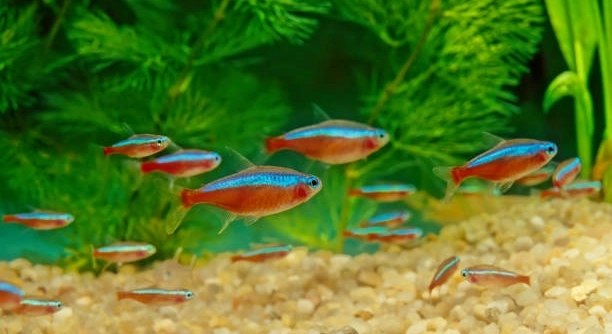
Neon Tetras are beautiful, vibrant fish loved by aquarium enthusiasts. However, keeping them healthy and happy can be tricky if you’re not aware of the potential mistakes. Here are some common pitfalls to avoid.
When keeping Neon Tetras, avoid improper tank conditions, poor water quality, incorrect feeding habits, overcrowding, and failure to provide suitable tank mates. Neglecting these factors can lead to stress, illness, and a shortened lifespan for your fish.
Avoiding these common mistakes will help you create a peaceful and thriving environment for your Neon Tetras. Keeping their habitat stable is key to their health and vibrant colors.
Incorrect Water Conditions
Neon Tetras are sensitive to changes in water temperature, pH, and hardness. Maintaining stable water conditions is essential to their well-being. Any fluctuation in these factors can cause stress, which can weaken their immune system and make them more susceptible to disease. The ideal temperature range for Neon Tetras is between 72°F and 78°F (22°C to 26°C). The pH level should be between 6.0 and 7.0, with soft to slightly hard water. Regular water changes are crucial to prevent the buildup of toxins that can harm your fish.
Poor water conditions can quickly lead to stress and illness. Maintaining consistent water parameters is key to preventing issues and ensuring your fish thrive. Testing the water regularly will help you monitor the environment.
To achieve this, use an aquarium test kit to check for ammonia, nitrites, and nitrates. If you notice any imbalances, address them immediately. Install a reliable filtration system and perform weekly water changes. This will help create a stable environment where your Neon Tetras can live long and healthy lives.
Overfeeding
Overfeeding is a common mistake when keeping Neon Tetras. These small fish have tiny stomachs, so they don’t need much food. Providing too much food can lead to uneaten scraps that pollute the water, which can harm both the fish and the aquarium’s ecosystem.
To avoid overfeeding, only give your fish small amounts of food that they can consume in a few minutes. You should feed them once or twice a day, and always remove any leftover food. This simple step keeps the tank clean and ensures the fish aren’t exposed to excess waste.
Overfeeding can cause serious problems, including poor water quality, obesity in your fish, and an increased risk of disease. If you’re unsure how much to feed, it’s better to err on the side of caution and give less rather than more. Monitor the fish closely, and adjust feeding based on their activity and appearance. Healthy Neon Tetras will be active and show vibrant colors, which is a sign of proper nutrition.
Overcrowding the Tank
Neon Tetras are small, peaceful fish, but overcrowding can cause stress. A tank that’s too full leads to poor water quality and less space for your fish to swim comfortably. This can result in disease and aggressive behavior, even among peaceful species.
A general rule is to allow at least 1 inch of fish per gallon of water. Overcrowding can also prevent proper filtration, making it harder to maintain a healthy environment. Monitor your tank’s population and make adjustments as needed. It’s better to have fewer fish thriving than many struggling to survive in tight spaces.
It’s essential to plan ahead when stocking your aquarium. Take into account both the size of your Neon Tetras and any other species you might add. Fish need their space, and a cramped environment can lead to tension or even death. Regular maintenance, such as water changes, becomes more difficult when a tank is overcrowded. Keep a balance of fish, and avoid adding too many at once.
Incorrect Tank Mates
Neon Tetras are peaceful fish but need compatible tank mates. Aggressive or territorial species can stress them out and cause injuries. It’s important to choose tank mates that won’t intimidate or harm your Neon Tetras.
Avoid keeping them with large, aggressive fish. Fish like cichlids or bettas may see Neon Tetras as prey. Instead, select peaceful species like guppies or mollies, which are small and won’t compete for space or resources. Ensure that the tank mates you choose thrive in similar water conditions and have similar temperaments.
Also, be mindful of the swimming patterns of other fish. Some species might crowd the bottom or middle of the tank, leaving Neon Tetras with little space to swim around. Properly researching the needs of potential tank mates helps create a balanced community aquarium. A peaceful, well-stocked tank will allow your Neon Tetras to thrive without constant stress.
Poor Tank Maintenance
Neglecting regular tank maintenance can lead to poor water quality and stress for your Neon Tetras. Dirty filters, algae buildup, and excess debris all contribute to an unhealthy environment. This can weaken their immune systems and make them more vulnerable to disease.
To keep your tank in top shape, do weekly water changes and clean the gravel. Make sure the filter is working properly, and replace filter media as needed. Check for signs of algae or excess waste and clean accordingly. Proper maintenance helps ensure the water stays clear and your Neon Tetras remain healthy.
Regular water testing is important to catch any issues early. Test for ammonia, nitrites, and nitrates to ensure they’re at safe levels. A consistent cleaning schedule keeps the tank environment stable and supports the long-term health of your fish. Make maintenance a habit to prevent costly problems down the road.
Incorrect Lighting
Neon Tetras require moderate lighting to thrive, and lighting plays a role in their overall health. Too much light can stress them out, while too little can affect their behavior and coloration.
A good rule of thumb is to provide 8-12 hours of light each day. Use a timer to maintain a consistent day/night cycle for your fish. Bright lighting may cause your Neon Tetras to hide, so avoid placing your tank in areas with direct sunlight. Dim lighting or a gentle aquarium light will make your fish feel comfortable and enhance their vibrant colors.
Stressful Tank Conditions
Neon Tetras are easily stressed by sudden changes in their environment, such as temperature shifts or loud noises. Keep the tank in a quiet area where they’re not disturbed. Avoid tapping on the glass, as this can frighten them.
Temperature changes can be minimized with a reliable heater, especially in colder rooms. Make sure there are no sharp objects or decorations that could cause harm. A calm environment will help your Neon Tetras thrive, allowing them to live longer, happier lives.
FAQ
How many Neon Tetras should I keep together?
Neon Tetras are schooling fish, so they feel more secure and display their natural behavior when kept in groups. A minimum of six is recommended, but the more the better. Keeping them in larger groups helps reduce stress and encourages healthier, more active fish. However, make sure not to overcrowd the tank, as it can affect water quality and your fish’s health.
What is the best tank size for Neon Tetras?
Neon Tetras are small fish, but they still need plenty of space to swim. A 10-gallon tank is suitable for a small school of Neon Tetras, but larger tanks are better if you plan to add more fish or decorations. The key is to maintain good water quality, which is easier in a bigger tank.
Do Neon Tetras need a filter?
Yes, Neon Tetras need a reliable filtration system. While they can tolerate a range of water conditions, the filter helps maintain clean water by removing excess waste and debris. A good filter ensures the water stays oxygenated and free of toxins, both of which are essential for the health of your fish.
Can Neon Tetras live with other species?
Neon Tetras are peaceful and can live with a variety of other small, non-aggressive species. Avoid keeping them with larger or more territorial fish, as this can lead to stress and injury. Compatible tank mates include species like guppies, mollies, and Corydoras catfish. Always check the behavior of new fish before adding them to the tank.
What should I feed my Neon Tetras?
Neon Tetras are omnivores and will eat a variety of foods, including high-quality flake food, micro pellets, and frozen or live foods like brine shrimp or daphnia. It’s best to provide them with a balanced diet, feeding small amounts once or twice a day. Be sure not to overfeed, as uneaten food can pollute the tank.
Why are my Neon Tetras losing their color?
Neon Tetras may lose their vibrant coloration due to stress, poor water quality, or an inadequate diet. Check the water parameters to ensure they are within the appropriate range. Providing a proper diet and ensuring a stable environment can help bring back their bright colors. Stress from aggressive tank mates can also cause them to dull.
How often should I change the water in a Neon Tetra tank?
Water changes are crucial for maintaining a healthy environment. For a tank with a moderate fish load, changing 20-25% of the water every week is recommended. If you have a larger tank or fewer fish, you might be able to change it less frequently. Always use a water conditioner to remove chlorine and chloramine from tap water.
Are Neon Tetras sensitive to water temperature changes?
Yes, Neon Tetras are sensitive to rapid temperature changes. They thrive in water temperatures between 72°F and 78°F (22°C to 26°C). Sudden temperature shifts can cause stress and make them more prone to illness. Using a reliable aquarium heater will help maintain a steady temperature, especially in colder rooms or during seasonal changes.
Can Neon Tetras live without a heater?
While Neon Tetras can tolerate a range of temperatures, they do best in stable conditions. If your room temperature stays within the ideal range of 72°F to 78°F (22°C to 26°C), you might not need a heater. However, if the temperature fluctuates, using a heater will help ensure your fish stay comfortable and healthy.
What are the signs of a sick Neon Tetra?
Sick Neon Tetras may exhibit changes in behavior or appearance, such as loss of color, swimming erratically, or hiding more than usual. They may also develop visible signs like faded gills, bulging eyes, or lesions on their bodies. If you notice any of these symptoms, test the water quality and isolate the sick fish to prevent the spread of disease.
Can Neon Tetras breed in a community tank?
Breeding Neon Tetras in a community tank can be challenging. While they can breed in a well-maintained aquarium, the eggs are often eaten by other fish. If you’re planning to breed Neon Tetras, a separate breeding tank with suitable conditions—such as soft, acidic water—is recommended. Providing dense plants or a spawning mop can help protect the eggs.
How long do Neon Tetras live?
Neon Tetras typically live for about 5 years, though they can live longer with proper care. Keeping the water clean, offering a balanced diet, and reducing stress can all help ensure your Neon Tetras reach their full lifespan. It’s important to monitor their health and address any issues promptly to extend their life.
Can Neon Tetras tolerate salt in their water?
Neon Tetras do not tolerate salt well and should not be kept in saltwater. Salt can cause them to become stressed or even harm their gills. If you need to treat a sick fish with salt, ensure the salt levels are carefully controlled and use it only when necessary.
Are Neon Tetras good for beginners?
Yes, Neon Tetras are considered good fish for beginners. They are relatively easy to care for, provided you maintain proper water conditions and avoid common mistakes like overfeeding or overcrowding. They are also small, peaceful, and beautiful, making them an excellent choice for those new to aquarium keeping.
Final Thoughts
Neon Tetras are small, vibrant fish that make a beautiful addition to any aquarium. They’re relatively easy to care for as long as you pay attention to their basic needs. Keeping the water quality high, offering them the right food, and ensuring a peaceful environment will help your Neon Tetras thrive. Although they are hardy, they do require a stable and clean environment to stay healthy. With the right care, you’ll be able to enjoy their bright colors and lively behavior for years to come.
It’s important to remember that Neon Tetras are schooling fish, meaning they prefer the company of their own kind. Keeping them in groups of at least six will help reduce stress and allow them to display their natural behaviors. Providing them with plenty of space to swim is also essential. A larger tank, with proper filtration and regular water changes, will create a healthier environment. These small steps can go a long way in ensuring your Neon Tetras lead a long, happy life.
Taking the time to research their needs, including compatible tank mates, feeding habits, and proper water conditions, will set you up for success. Mistakes such as overfeeding, overcrowding, or poor tank maintenance can lead to serious issues for your fish. If you’re new to keeping Neon Tetras, don’t rush—take the time to learn about their environment and adjust as needed. By making their care a priority, you’ll create a stable and beautiful home for your Neon Tetras to enjoy.

Hello,
If you enjoy the content that we create, please consider saying a "Thank You!" by leaving a tip.
Every little bit helps us continue crafting quality advice that supports the health, happiness, and well-being of pets around the world, for pets of all shapes, sizes, and species.
We really appreciate the kindness and support that you show us!