
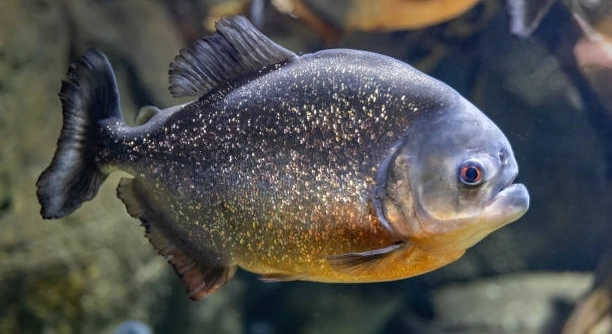
Handling piranhas requires caution and respect due to their sharp teeth and aggressive behavior. Mistakes in care or interaction can lead to injury or stress for both the handler and the fish. Proper knowledge is essential to ensure safety.
Avoiding common mistakes when handling piranhas is crucial for safety and fish welfare. These include improper handling techniques, neglecting water quality, inadequate tank setup, and misunderstanding their behavior. Awareness and correct practices reduce risks and promote a healthy environment.
Learning the key mistakes to avoid will help maintain safety and improve your experience when caring for these powerful fish.
Mistake 1: Handling Piranhas Without Proper Protection
Handling piranhas without the right protection can lead to serious injuries. Their sharp teeth can cause deep cuts even if the fish is small. Many people underestimate their strength and speed. It is important to always use tools like nets or thick gloves when interacting with them. Bare hands should never be used to reach into the tank or catch the fish. Even small movements can trigger a sudden bite. Proper preparation helps avoid accidents. Knowing when to leave the fish alone is equally important. Stressing piranhas by improper handling weakens their immune system, leading to illness. Taking safety seriously benefits both the handler and the fish.
Using protective gear prevents injuries and reduces stress for the piranhas. It is a simple yet effective precaution that should not be overlooked.
Ensuring safe handling practices involves understanding piranha behavior and respecting their space. Tools such as fish nets and gloves provide a barrier that keeps you safe. Avoid reaching directly into the water when possible, especially if the fish are active. Quick or sudden movements may provoke bites. Being calm and deliberate in your actions helps keep the fish calm as well. Regularly check your protective gear for wear and replace it as needed. This attention to safety will prevent painful encounters and promote healthier interactions over time.
Mistake 2: Ignoring Water Quality and Tank Maintenance
Poor water quality is a common reason piranhas become stressed and aggressive. Dirty or improperly balanced water harms their health and increases the risk of disease. Neglecting regular tank cleaning and water changes creates an unhealthy environment. Proper filtration and monitoring of pH, temperature, and ammonia levels are essential. Keeping the water clean supports their natural behavior and reduces aggressive outbursts. Ignoring these factors results in a less stable habitat and can shorten the lifespan of the fish.
Consistent tank maintenance is necessary to ensure a stable environment for piranhas.
Regularly testing water parameters helps maintain ideal conditions. Filters should be cleaned or replaced according to manufacturer instructions. Partial water changes, usually 25 to 30 percent weekly, prevent buildup of harmful substances. Monitoring temperature and pH is important, as piranhas thrive in specific ranges. Sudden changes in these conditions cause stress and erratic behavior. Proper lighting and hiding spots in the tank also contribute to a healthier atmosphere. By keeping the tank clean and stable, piranhas remain calmer, healthier, and easier to handle. This improves their overall well-being and reduces the chance of injuries to both fish and handler.
Mistake 3: Overfeeding Piranhas
Overfeeding piranhas can lead to water pollution and health problems. Excess food decays, increasing ammonia levels and stressing the fish. It also causes obesity and digestive issues.
Feeding should be controlled and consistent. Piranhas typically eat once a day or every other day. Provide only the amount they can consume within a few minutes. Use high-quality food suitable for carnivorous fish, such as pellets or fresh meat. Avoid feeding too many treats or human food. Overfeeding weakens their immune system, making them more prone to illness. Regularly observe feeding behavior and adjust portions if leftovers remain.
A well-managed feeding routine supports clean water and healthy piranhas. It helps prevent aggression linked to competition for excess food. Feeding too often encourages bad habits and disrupts natural hunger cycles. Moderation ensures piranhas stay active and strong without putting their tank environment at risk.
Mistake 4: Using an Improper Tank Size
A tank that is too small restricts piranhas’ movement and increases aggression. Crowded conditions create stress and poor water quality, affecting fish health.
Piranhas need ample space to swim and hide. Minimum tank size depends on the number of fish but generally starts at 75 gallons for a small group. Larger tanks allow for better water circulation and waste management. Overcrowding can cause fights and injuries. Provide hiding places to reduce tension. Proper tank size reduces stress and supports natural behavior. It also makes maintenance easier by balancing biological load.
Choosing the right tank size is vital to the well-being of piranhas. It prevents aggression caused by limited space and improves water quality. Investing in a suitable aquarium keeps the fish healthy and the environment stable, making care less demanding and safer.
Mistake 5: Neglecting Proper Tank Decoration
Tank decoration matters for piranhas’ comfort and behavior. Lack of hiding spots causes stress and aggression. Simple décor like plants, rocks, and driftwood helps create a natural environment.
Providing enough hiding places reduces tension among fish. It gives them space to retreat and lowers aggressive encounters. Decorations also break lines of sight, which can calm territorial disputes. Proper decoration supports their natural instincts and overall well-being.
Mistake 6: Mixing Piranhas with Incompatible Species
Not all fish species can safely coexist with piranhas. Mixing aggressive or much smaller fish increases risks of injury or death. Careful selection is necessary to avoid conflicts.
Piranhas are carnivorous and can be highly territorial. Introducing species that are too small or overly active often results in stress and attacks. Choose tank mates that are robust and large enough to coexist. Always research compatibility before combining species. Incompatible fish can cause problems for the entire tank environment, including water quality and fish health.
Mistake 7: Ignoring Signs of Illness
Early signs of illness include lethargy, loss of appetite, and unusual swimming. Detecting these quickly helps prevent serious problems.
FAQ
How often should I feed my piranhas?
Piranhas should be fed once daily or every other day. Overfeeding can harm water quality and cause health issues. Offer only as much food as they can finish within a few minutes. Use a diet of quality pellets or fresh meat to meet their nutritional needs.
What size tank do piranhas need?
A minimum of 75 gallons is recommended for a small group of piranhas. Larger tanks provide more swimming space, better water circulation, and reduce aggression. Overcrowding causes stress and fights, which can injure fish and disrupt tank balance.
Can piranhas live with other fish?
Piranhas are territorial and carnivorous, so tank mates should be chosen carefully. Avoid smaller or overly active fish, as they may be attacked. Larger, robust species have a better chance of coexisting, but it’s often safest to keep piranhas in a species-only tank.
What are common signs of illness in piranhas?
Watch for lethargy, loss of appetite, unusual swimming, or visible spots and wounds. Early detection allows for prompt treatment. Stress, poor water quality, and improper diet often cause illness, so maintaining tank conditions is essential.
How often should I change the water?
Perform partial water changes of 25 to 30 percent weekly to maintain good water quality. This prevents the buildup of harmful substances like ammonia and nitrate. Consistent maintenance supports fish health and reduces stress.
What temperature is best for piranhas?
Piranhas thrive in temperatures between 74 and 82 degrees Fahrenheit (23–28°C). Maintaining stable temperatures within this range helps keep them active and healthy. Sudden fluctuations can cause stress and illness.
Should I handle piranhas with my hands?
Handling piranhas with bare hands is risky due to their sharp teeth and quick movements. Always use tools like nets or thick gloves. Proper handling reduces the risk of injury and stress for both you and the fish.
How can I reduce aggression among piranhas?
Provide plenty of space, hiding spots, and maintain good water quality. Overcrowding, poor tank setup, and stress increase aggression. Keeping feeding consistent and avoiding sudden disturbances also helps keep the fish calm.
What kind of filtration do piranhas need?
Strong filtration is necessary to manage waste in a piranha tank. A filter capable of handling the tank size and biological load is essential. Regular cleaning of the filter media prevents clogging and maintains water flow.
Can piranhas recognize their owners?
While piranhas do not recognize owners like some pets, they may become accustomed to regular feeding times and activity around the tank. This can make them less skittish but does not imply bonding or affection.
Final Thoughts
Caring for piranhas requires attention to detail and respect for their natural needs. These fish are often misunderstood, but with the right approach, they can thrive in captivity. Avoiding common mistakes such as overfeeding, overcrowding, and mixing incompatible species is essential. Keeping their environment clean and providing adequate space helps maintain their health and reduces stress. Piranhas need a stable and well-maintained tank to display their natural behavior safely.
Understanding piranhas’ needs includes proper feeding schedules and appropriate tank decoration. Feeding them the right amount and quality food ensures they remain healthy without polluting the water. Decorations that offer hiding places help reduce aggression by giving fish spaces to retreat. This simple setup supports their instinctive habits and makes the aquarium environment more balanced. Attention to water temperature and filtration also plays a significant role in their well-being. Stable conditions prevent illness and encourage natural activity.
Finally, being observant and proactive is key when caring for piranhas. Early detection of illness, monitoring water quality, and adjusting care routines when necessary all contribute to a successful aquarium. Piranhas are resilient but need consistent care and proper management. Taking these factors seriously leads to a safer, healthier environment for the fish and a more rewarding experience for the keeper. Proper care promotes longevity and reduces stress, making the responsibility of keeping piranhas manageable and fulfilling.

Hello,
If you enjoy the content that we create, please consider saying a "Thank You!" by leaving a tip.
Every little bit helps us continue crafting quality advice that supports the health, happiness, and well-being of pets around the world, for pets of all shapes, sizes, and species.
We really appreciate the kindness and support that you show us!