
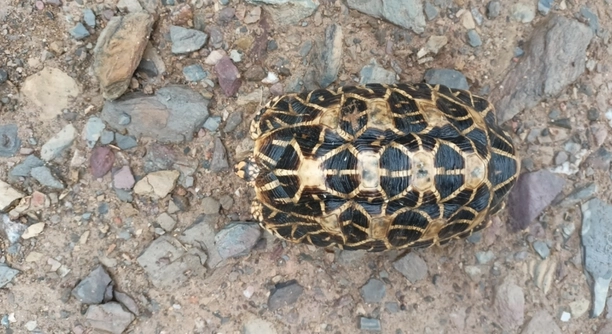
Taking care of a Star Tortoise requires more than just feeding it. The right diet is essential for its health and longevity. Avoiding some common mistakes can help you provide the best care for your pet.
Providing improper food, incorrect portions, and feeding at the wrong time can cause health problems for your Star Tortoise. Ensuring that their diet is varied, nutritious, and suitable for their age is crucial to their well-being.
By understanding these essential factors, you will avoid mistakes that could harm your tortoise’s health.
1. Feeding a One-Size-Fits-All Diet
Star Tortoises need a variety of food to stay healthy. Relying too heavily on just one type of food, like leafy greens, can lead to nutritional deficiencies. A good mix includes dark, leafy vegetables, flowers, and grasses, as well as some fruits in moderation. The right balance will help support their immune system and overall growth.
The Star Tortoise needs a diverse diet to avoid health issues. Include foods like dandelion leaves, clover, and grass to mimic their natural food sources in the wild. This variety helps prevent malnutrition and keeps your tortoise energized.
It’s also important to research which foods are safe for them to eat. Some plants, such as those that are too high in oxalates or goitrogens, can be harmful if fed too often. Overfeeding fruit is another issue—although it’s tempting to offer them sweet treats, too much fruit can upset their digestion and lead to obesity. Understanding what is best for your tortoise’s specific needs ensures they get a healthy, balanced diet that supports their long-term health.
2. Offering Too Much Protein
Protein is essential for growth, but too much can cause kidney problems. Overfeeding protein-rich foods like certain insects or high-protein plants can stress your tortoise’s kidneys and liver. It’s better to stick to a diet that is low in protein and high in fiber.
Star Tortoises are herbivores and don’t require much protein. Too much protein can result in kidney damage over time. This is why feeding high-protein foods should be avoided.
A diet with excessive protein often leads to poor health outcomes, including shell deformities and organ stress. Star Tortoises thrive best on fiber-rich plants like grasses and leafy greens, which help with digestion and prevent kidney strain. It’s important to feed your tortoise in moderation and avoid protein-heavy foods, such as meat, that are outside their natural dietary needs. If unsure, it’s best to consult a reptile expert for advice on proper feeding practices.
3. Not Providing Enough Water
Water is essential for digestion and hydration. A lack of water can lead to dehydration, which can cause constipation and other health issues. Always offer a shallow water dish that your tortoise can easily access. Change the water daily to keep it fresh and clean.
Many tortoises are naturally shy drinkers. You might not see them drinking water often, but it’s still important to offer it regularly. You can also mist their habitat lightly to provide extra moisture. When tortoises are dehydrated, it can affect their appetite and overall energy levels, so make water a priority in their care routine.
If your Star Tortoise is refusing to drink, it might be due to improper humidity levels. Ensure their habitat has the right temperature and humidity to encourage them to drink. Soaking your tortoise in warm water once a week can help hydrate them and promote bowel movements. It’s a simple yet effective way to maintain their health.
4. Feeding Inconsistent Portions
Feeding too little or too much can lead to weight issues. Star Tortoises need consistent portions based on their age and size. Too much food can lead to obesity, while too little can stunt growth. Monitoring their weight regularly will help ensure they’re getting the right amount.
It’s important to measure the amount of food you give your tortoise. Overfeeding can cause shell deformities and obesity, while underfeeding leads to malnutrition. Divide their food into smaller portions throughout the day to keep their metabolism stable. A balanced feeding schedule is essential for your tortoise’s long-term health.
Overfeeding, especially with high-calcium foods like certain greens, may lead to excess calcium buildup in their body. This can cause serious issues with bone and shell growth. Be mindful of how often you feed your tortoise and how much. If unsure about the ideal portions, consult a reptile specialist for guidance. Keeping portions consistent and appropriate to their needs will keep your tortoise healthy and active.
5. Ignoring the Need for UVB Lighting
Star Tortoises need UVB light to help them absorb calcium and maintain healthy shells and bones. Without proper UVB lighting, they can develop metabolic bone disease. Provide UVB bulbs that cover their habitat and replace them every six months to ensure they’re getting the right amount of exposure.
UVB lighting mimics natural sunlight, which is essential for their health. Without it, they can become lethargic, and their shells can become soft and weak. If you live in an area with little sunlight, UVB lights are even more crucial for your tortoise’s well-being. Don’t overlook this basic but vital need.
A timer can help regulate the amount of UVB light your tortoise gets, ensuring they receive a steady cycle of day and night. You should also be cautious about how close the light source is to your tortoise, as being too close or too far can affect their exposure. Consistency in providing UVB is key.
6. Feeding Unsafe Foods
Certain foods can be toxic to your tortoise, even though they might seem harmless. Foods like iceberg lettuce, avocado, and rhubarb are dangerous and should never be fed. Always check before offering something new to avoid causing harm.
Many common household plants can also be harmful to tortoises. Make sure that everything you feed is safe and appropriate. Researching or consulting an expert about toxic plants is always a good idea to ensure your pet stays safe.
7. Failing to Maintain Proper Temperature
The right temperature is critical for digestion and overall health. If their environment is too cold or too hot, your tortoise will struggle to stay healthy. Maintain a temperature range between 85°F to 95°F during the day and slightly cooler at night.
Temperature also affects your tortoise’s ability to eat and digest food. A basking spot with a warmer temperature will encourage them to eat and stay active. Always monitor the temperature with a reliable thermometer to ensure your pet is comfortable. Too much fluctuation can cause stress.
FAQ
How often should I feed my Star Tortoise?
Star Tortoises should be fed every day when they are young, but adults can be fed every other day. The portion size should vary depending on their age and size. Keep in mind that overfeeding can lead to obesity, while underfeeding can stunt growth. Monitor their weight regularly and adjust portions accordingly. It’s important to offer a variety of foods, such as grasses, dark leafy greens, and some flowers, to ensure they are getting the right nutrients.
Can I feed my Star Tortoise fruit?
Yes, you can feed your Star Tortoise fruit, but it should only be in small amounts and as an occasional treat. Too much fruit, especially sugary fruits, can lead to digestive problems and obesity. Fruits like apple, pear, and melon can be offered once a week, but they should not make up a large portion of their diet. Stick to primarily leafy greens, grasses, and flowers to maintain a healthy balance.
What should I do if my tortoise isn’t eating?
If your Star Tortoise isn’t eating, first check its habitat. Ensure that the temperature and humidity are within the proper range. Stress from a poorly maintained environment can cause a loss of appetite. Also, make sure the food you’re offering is fresh and varied. Sometimes, tortoises stop eating when they are not getting enough variety or when they feel unwell. If they continue to refuse food, a visit to the vet is recommended to rule out any health issues.
How can I tell if my tortoise is overweight?
You can tell if your Star Tortoise is overweight by looking at its shell. If the shell is rounded or “puffy” instead of flat, it might be an indication of excess fat. Weigh your tortoise regularly and monitor its weight gain. Overfeeding, particularly with high-calcium foods, can lead to obesity. A healthy tortoise should have a slightly flattened shell and a defined shape around the legs and neck. If you’re unsure, it’s best to consult a veterinarian for guidance on maintaining an ideal weight.
Should I bathe my Star Tortoise?
Yes, it’s a good idea to bathe your Star Tortoise once a week in lukewarm water. Bathing helps with hydration, especially if your tortoise isn’t drinking enough water on its own. It also helps to soften their waste, making it easier for them to pass it. Never use hot water as it can be harmful. Make sure to supervise them while bathing to prevent them from drowning, as they can easily tip over in the water.
Can Star Tortoises live outside?
Star Tortoises can live outside, but only in warm climates with proper shelter. If you live in a region with fluctuating temperatures, it’s best to keep them indoors. Outdoors, they need a secure, escape-proof enclosure with access to both shade and sunlight. Make sure there are no harmful plants or predators in their outdoor area. If the weather gets too cold, it’s important to bring your tortoise back inside to avoid any risks associated with low temperatures.
How do I maintain the proper humidity for my Star Tortoise?
Maintaining the right humidity is crucial for your tortoise’s health. The ideal humidity level for a Star Tortoise is around 50% to 60%. You can maintain this by misting their enclosure daily or providing a humid hide where they can retreat. A shallow water dish can also help maintain humidity. If the air is too dry, it can lead to dehydration, while excessive humidity can lead to respiratory problems. Use a hygrometer to monitor the humidity levels in the enclosure to ensure they are consistent.
Is it necessary to supplement my Star Tortoise’s diet with calcium?
Yes, calcium supplementation is important, especially for young tortoises that are still growing. Calcium helps with shell growth and bone development. You can offer calcium powder on their food, but be sure not to overdo it. Too much calcium can lead to health problems. A good way to ensure proper calcium intake is to feed a balanced diet of high-fiber plants and to provide UVB lighting to help them absorb the calcium. If you’re unsure, a vet can guide you on how much calcium to add to their diet.
What type of substrate should I use for my Star Tortoise’s enclosure?
The substrate in your Star Tortoise’s enclosure should be something that allows for natural digging and is easy to clean. You can use a mixture of coconut coir, soil, and sand. Avoid using loose bedding like wood chips or shavings, as they can cause respiratory problems if inhaled. Make sure the substrate is not too deep, as tortoises are not burrowing animals. A 2-3 inch depth should be sufficient for them to move around and nest comfortably.
Why is my Star Tortoise’s shell soft?
A soft shell is often a sign of metabolic bone disease, which is usually caused by a lack of calcium or UVB light. Without proper UVB lighting, your tortoise cannot absorb calcium, leading to weakened bones and shells. Ensure that your tortoise has access to UVB light, and supplement their diet with calcium if necessary. If you notice a soft shell, it’s important to address the issue immediately. Consult a reptile vet for further advice and to ensure your tortoise’s health is not compromised.
Taking care of a Star Tortoise requires understanding its unique dietary and environmental needs. It’s important to avoid overfeeding or feeding an improper diet. A balanced diet with leafy greens, grasses, and some fruits in moderation will keep your tortoise healthy. Providing variety in their meals helps prevent nutritional deficiencies, which can lead to serious health problems. Always make sure that their food is safe and suitable for their species.
Equally important is maintaining the right living conditions for your Star Tortoise. Proper humidity, temperature, and UVB lighting are all essential for their well-being. Without these, they can suffer from dehydration, digestive issues, and weakened bones. Regularly check your tortoise’s enclosure to ensure it mimics their natural habitat as closely as possible. The right habitat will encourage your tortoise to stay active and thrive.
Remember, patience and consistency are key when caring for your Star Tortoise. Small mistakes in feeding or habitat management may not show immediate effects, but over time, they can cause serious health concerns. By learning about their needs and monitoring their behavior, you can create an environment where your tortoise will live a long and healthy life. Keep learning and adapting as you go, and you’ll ensure your tortoise’s happiness for years to come.

Hello,
If you enjoy the content that we create, please consider saying a "Thank You!" by leaving a tip.
Every little bit helps us continue crafting quality advice that supports the health, happiness, and well-being of pets around the world, for pets of all shapes, sizes, and species.
We really appreciate the kindness and support that you show us!