
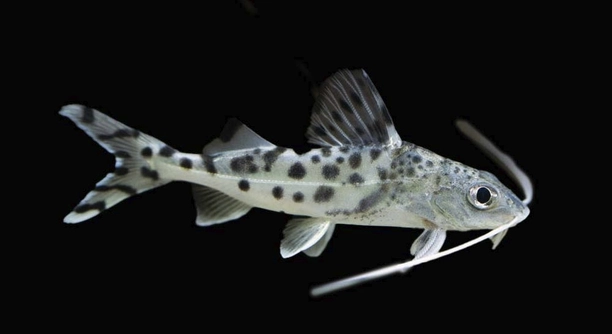
Cycling a tank for Pictus catfish requires careful attention to detail. Many new hobbyists make mistakes that affect water quality and fish health. Knowing what to avoid can save time and ensure a healthy environment for your fish.
Avoiding common mistakes in tank cycling includes monitoring ammonia and nitrite levels closely, avoiding overfeeding, and ensuring proper filtration. Skipping these steps can lead to toxic water conditions harmful to Pictus catfish and disrupt the nitrogen cycle.
Understanding these key errors will help you create a stable tank environment. Proper cycling is essential for your fish’s long-term health and enjoyment in your aquarium.
Not Testing Water Regularly
One of the biggest mistakes when cycling a tank for Pictus catfish is not testing the water regularly. Water parameters like ammonia, nitrite, and nitrate levels must be checked frequently to track the progress of the nitrogen cycle. Without testing, it is impossible to know if the tank is safe for the fish. Ammonia and nitrite are toxic and can harm or kill Pictus catfish if left unchecked. Many beginners rely only on water clarity or guesswork, which often leads to problems. Using a reliable test kit helps identify spikes in harmful chemicals so you can take action early. Regular testing also ensures that the beneficial bacteria responsible for breaking down waste are working properly. This step is essential for creating a healthy environment where your fish can thrive.
Testing water regularly protects your fish and supports a successful tank cycle.
Taking the time to monitor water quality is a simple habit that prevents many common issues. It gives you control over the tank’s condition and helps you avoid sudden toxic buildups. Using a test kit is inexpensive and easy but very effective. By watching ammonia and nitrite levels, you can determine when the tank is fully cycled and safe to add your Pictus catfish. This approach reduces stress on the fish and lowers the chance of illness or death. Maintaining stable water chemistry also promotes the fish’s growth and activity. Skipping this step may result in unnecessary losses and setbacks. Establishing a routine to test the water provides peace of mind and a better experience overall.
Overfeeding During Cycling
Feeding too much during the cycling phase can cause water quality to deteriorate quickly.
Overfeeding adds excess waste, which increases ammonia and nitrite levels, making the tank unsafe. Many believe that feeding more will speed up the cycle by providing more food for bacteria. In reality, it often has the opposite effect. Too much food breaks down before beneficial bacteria can process it, causing toxic spikes that harm your fish. It is better to feed very sparingly or not at all while cycling. If you choose to feed, give only small amounts once every few days to avoid overwhelming the system. Removing leftover food promptly also helps maintain water quality. Keeping feedings light prevents common setbacks and supports a smooth, healthy cycle for your Pictus tank.
Ignoring Proper Filtration
A good filter is essential when cycling a tank for Pictus catfish. Without it, toxic waste builds up quickly and the cycle takes much longer.
Filters provide a surface for beneficial bacteria to grow, which break down harmful ammonia and nitrites. Choosing the right filter for your tank size ensures efficient water flow and oxygenation. Poor filtration can cause unstable water parameters, stressing your fish and delaying cycling. Regular filter maintenance is also important to avoid clogging and loss of bacterial colonies. Avoid removing all filter media during cleaning, as this kills beneficial bacteria. Using a filter with biological, mechanical, and chemical media supports a balanced environment. Proper filtration keeps the water clean and stable, helping the cycle complete faster and the fish stay healthy.
A weak or absent filter increases the risk of toxic spikes, which can harm or kill your Pictus catfish. A reliable filtration system is a fundamental part of successful tank cycling.
Adding Fish Too Early
Introducing Pictus catfish before the tank cycle finishes is a common mistake.
Fish produce waste that increases ammonia levels, which can rise to dangerous amounts in an uncycled tank. Early stocking often leads to stress, illness, or death due to poor water quality. Waiting until ammonia and nitrite levels drop to zero confirms that beneficial bacteria are established and the tank is safe. Using a test kit helps monitor this progress accurately. Patience is key. Starting with hardy fish or fishless cycling methods reduces risk during this phase. Adding fish gradually after the cycle completes allows them to adapt to their new home with less stress and better chances of thriving. This careful approach protects your Pictus catfish and supports their long-term health.
Skipping Water Changes During Cycling
Regular water changes help control harmful toxins during the cycling process. Skipping them can cause ammonia and nitrite to reach dangerous levels.
Performing partial water changes keeps the tank environment stable and reduces stress on developing bacteria and fish. It also prevents toxic buildup that can harm Pictus catfish and slow cycling progress.
Using Untreated Tap Water
Tap water contains chlorine or chloramine, which kill beneficial bacteria needed for cycling. Using untreated water disrupts the nitrogen cycle and can harm fish.
Always treat tap water with a dechlorinator before adding it to the tank. This step protects bacterial colonies and ensures a safe environment for your Pictus catfish.
Not Providing Enough Hiding Spots
Pictus catfish need hiding spots to feel secure in a new tank. Without them, fish become stressed and may hide excessively or stop eating.
Including caves, plants, and decorations creates safe areas and promotes natural behavior. This simple addition improves fish well-being and encourages activity in the aquarium.
FAQ
How long does it take to cycle a tank for Pictus catfish?
Cycling usually takes four to six weeks. This time allows beneficial bacteria to establish and process ammonia and nitrites. Factors like tank size, filter type, and feeding habits can affect the duration. Testing water regularly helps know when the cycle is complete.
Can I speed up the cycling process?
You can speed up cycling by using filter media or gravel from an established tank. Adding a bacterial supplement also helps introduce beneficial bacteria faster. However, rushing the process by adding fish too early will cause stress and health problems for the fish.
Is it safe to use water conditioners during cycling?
Yes, water conditioners are safe and recommended. They remove chlorine and chloramine from tap water, which are harmful to bacteria and fish. Using conditioners ensures a healthy environment and supports bacteria growth needed for cycling.
How often should I test the water during cycling?
Testing every two to three days is ideal. This frequency allows you to track ammonia, nitrite, and nitrate levels closely. If levels spike, you can act quickly with water changes or adjustments to protect your fish and keep the cycle on track.
What should I do if ammonia levels stay high?
High ammonia means the bacteria aren’t processing waste efficiently. Perform partial water changes to reduce toxicity and avoid adding fish. Check the filter to ensure it’s working properly. Sometimes, cycling takes longer, so patience is important.
Can I add fish while cycling?
It is best to avoid adding fish until the cycle is complete. Fish produce waste that increases ammonia, which is harmful in an uncycled tank. If you must add fish early, choose hardy species and monitor water quality carefully.
How do I know when the tank is fully cycled?
A tank is fully cycled when ammonia and nitrite levels drop to zero and nitrates begin to appear. At this point, beneficial bacteria have established, and the water is safe for Pictus catfish.
Should I feed the fish during cycling?
Feeding should be minimal or skipped to prevent excess waste. If feeding, give very small amounts every few days. Overfeeding causes spikes in ammonia, making cycling harder.
Why is filtration so important in cycling?
Filtration supports beneficial bacteria growth and removes waste particles. A strong filter maintains water quality and oxygen levels. Without proper filtration, toxic chemicals build up, harming fish and slowing the cycle.
What if my test kit shows inconsistent results?
Inconsistent results may come from expired or poor-quality test kits. Always use reliable, fresh test kits and follow instructions carefully. If unsure, retest or try a different brand to ensure accuracy.
Final Thoughts
Cycling a tank for Pictus catfish is a crucial step that should not be rushed or ignored. The process establishes beneficial bacteria that convert harmful ammonia and nitrites into less toxic nitrates. Without this cycle, the water becomes unsafe for the fish, leading to stress, illness, or death. Taking the time to carefully monitor water parameters, maintain proper filtration, and avoid overfeeding helps create a stable environment. This stable environment allows Pictus catfish to thrive and show their natural behaviors. Patience and attention to detail during cycling reduce problems later and save time and money by preventing losses.
Many common mistakes can be avoided with simple habits. Regularly testing water is one of the most important actions to take. It gives a clear picture of the tank’s condition and shows when the cycle is complete. Using a good test kit and testing every few days helps catch toxic spikes early. Partial water changes also support the cycling process by lowering dangerous chemicals without disrupting beneficial bacteria. Proper filtration and not adding fish too early are equally important steps. Overfeeding or using untreated tap water can harm the bacteria needed to cycle the tank successfully. Small details like providing hiding spots and maintaining a clean filter contribute to the overall well-being of the fish.
Following these guidelines helps ensure a smooth transition to a healthy tank for your Pictus catfish. The goal is a safe, balanced aquatic environment that supports their health and longevity. While cycling may seem slow or tedious, it sets the foundation for successful fishkeeping. Taking the time to do it correctly reduces future stress and costly mistakes. This careful preparation is a worthwhile investment for anyone who wants to enjoy the beauty and activity of Pictus catfish in their home aquarium. A well-cycled tank is key to watching your fish flourish over time.

Hello,
If you enjoy the content that we create, please consider saying a "Thank You!" by leaving a tip.
Every little bit helps us continue crafting quality advice that supports the health, happiness, and well-being of pets around the world, for pets of all shapes, sizes, and species.
We really appreciate the kindness and support that you show us!