
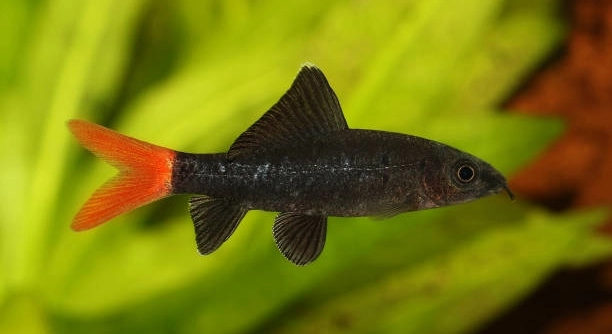
Caring for Rainbow Sharks can be rewarding, but it requires attention to detail. Many aquarium enthusiasts face challenges that affect the health and behavior of these fish. Avoiding common mistakes is key to providing a stable environment.
Rainbow Sharks need specific water conditions, appropriate tank size, and compatible tank mates. Improper care can lead to stress, disease, and aggressive behavior, which may shorten their lifespan. Understanding their needs ensures a healthy, balanced aquarium.
Knowing the common pitfalls in caring for Rainbow Sharks will help improve their well-being and your enjoyment of the aquarium. This article outlines essential mistakes to avoid for better fish care.
Choosing the Wrong Tank Size
Rainbow Sharks require enough space to swim freely. A small tank can cause stress and lead to aggressive behavior. Ideally, a tank should be at least 55 gallons to provide room for one Rainbow Shark. Overcrowding can cause competition for territory and food, making it harder for the fish to thrive. When the tank is too small, water quality also deteriorates faster, increasing the risk of illness. Proper filtration is essential, but it cannot replace adequate space. Always plan ahead when setting up the tank to avoid these issues.
A 55-gallon tank allows for comfortable swimming space and better water stability, which are important for the health of Rainbow Sharks.
In addition to size, tank shape matters. Long tanks offer more swimming space compared to tall tanks. Adding hiding places such as caves and plants helps reduce stress by giving the fish a place to retreat. Be mindful of the number of tank mates since Rainbow Sharks can be territorial. Careful planning of tank size and setup helps maintain a peaceful and healthy aquarium environment.
Incompatible Tank Mates
Rainbow Sharks do not get along well with all fish species. Placing them with aggressive or very small fish can cause problems. They tend to chase or bully smaller, slower fish, which can lead to injury. Aggressive tank mates may fight back, increasing stress for all fish involved. It’s best to select tank mates with similar size and temperament to prevent conflict.
Peaceful but active fish like barbs and danios usually coexist well with Rainbow Sharks.
Avoid keeping them with slow-moving or long-finned fish such as bettas or guppies. These are often targets for fin nipping. Avoid overcrowding the tank, as limited space can increase aggression. Providing enough hiding spots also helps reduce tension. Careful selection and monitoring of tank mates will promote harmony and reduce stress, supporting the health and behavior of Rainbow Sharks over time.
Neglecting Water Quality
Poor water quality harms Rainbow Sharks quickly. They need clean, well-filtered water with regular testing and changes.
Maintaining water quality requires frequent monitoring of ammonia, nitrite, and nitrate levels. Ammonia and nitrite must always be zero, while nitrates should remain low. Weekly partial water changes of 20-30% help keep toxins down and maintain stable water parameters. Using a reliable filtration system suited for the tank size is crucial. Overfeeding can also pollute the water, so feed sparingly and remove uneaten food. Proper water conditions reduce stress and prevent diseases like fin rot and fungal infections, which Rainbow Sharks are prone to.
Besides chemical balance, water temperature should be kept between 72-79°F (22-26°C). Sudden changes in temperature or pH stress the fish and weaken their immune system. Regular cleaning of the tank and filter media supports water quality. Keeping these factors in check promotes a healthy and active Rainbow Shark.
Overfeeding and Poor Diet
Feeding Rainbow Sharks too much can cause health problems. Overfeeding leads to excess waste and poor water quality.
Rainbow Sharks are omnivores but mainly eat sinking pellets, algae wafers, and occasional live or frozen foods like bloodworms or brine shrimp. Avoid feeding floating flakes, which they rarely eat. Feed small portions once or twice daily, only what they can finish in a few minutes. Excess food left uneaten decomposes and pollutes the tank, increasing ammonia levels that harm fish health. Overfeeding also causes obesity and digestive issues in Rainbow Sharks, shortening their lifespan.
Providing a balanced diet ensures proper nutrition and supports vibrant colors and energy. Supplementing with plant-based foods like blanched spinach or zucchini helps meet their dietary needs. Avoid feeding human food or too many treats, which can upset their digestion. Consistency in feeding routines and quality food choices contributes to a strong and healthy Rainbow Shark.
Ignoring Territorial Behavior
Rainbow Sharks are naturally territorial. They may become aggressive toward others if their space is limited or if there are too many fish in the tank.
Providing enough hiding spots and visual barriers helps reduce fights. Avoid keeping multiple Rainbow Sharks in small tanks to prevent stress and injuries.
Inadequate Hiding Places
Rainbow Sharks need places to hide and feel secure. Lack of hiding spots increases their stress and aggression levels.
Adding caves, plants, and decorations creates safe zones. These hiding places help reduce territorial disputes and provide shelter during rest periods. A well-decorated tank improves fish comfort and overall behavior.
Using Incorrect Water Parameters
Rainbow Sharks thrive in slightly acidic to neutral water, with a pH between 6.5 and 7.5. Water outside this range can cause stress and health issues.
Maintaining stable water temperature and parameters is essential for their well-being and longevity.
FAQ
How often should I clean the tank for my Rainbow Shark?
Cleaning frequency depends on tank size and stocking levels. Generally, perform partial water changes of 20-30% weekly. Regularly clean the substrate and remove uneaten food to prevent waste buildup. Also, rinse filter media monthly to keep filtration effective without removing beneficial bacteria.
What is the ideal tank size for a Rainbow Shark?
A tank of at least 55 gallons is recommended for a single Rainbow Shark. This size allows enough swimming space and helps maintain stable water conditions. Larger tanks reduce territorial aggression and support better health.
Can Rainbow Sharks live with other fish?
Yes, but tank mates should be chosen carefully. Compatible fish include barbs, danios, and other medium-sized, active species. Avoid slow or long-finned fish, as Rainbow Sharks may nip their fins. Also, avoid overcrowding to reduce aggression.
What do Rainbow Sharks eat?
They are omnivores that prefer sinking pellets, algae wafers, and occasional live or frozen foods like bloodworms or brine shrimp. Supplement their diet with plant matter such as blanched vegetables to provide balanced nutrition.
How can I reduce aggression in Rainbow Sharks?
Providing enough space, hiding places, and compatible tank mates helps lower aggression. Avoid keeping multiple Rainbow Sharks in small tanks, and create visual barriers with plants and decorations to minimize territorial disputes.
What water parameters are best for Rainbow Sharks?
Keep the pH between 6.5 and 7.5, temperature between 72-79°F (22-26°C), and ammonia and nitrites at zero. Maintain low nitrate levels through regular water changes. Stable water conditions prevent stress and illness.
Why is my Rainbow Shark hiding all the time?
Hiding is normal if the fish feels stressed or threatened. Causes may include poor water quality, aggressive tank mates, or insufficient hiding spots. Check water parameters and tank setup to ensure a comfortable environment.
How long do Rainbow Sharks live?
With proper care, Rainbow Sharks can live 5 to 8 years in captivity. Their lifespan depends on water quality, diet, tank conditions, and stress levels.
Can I keep more than one Rainbow Shark in the same tank?
It’s possible only in large tanks (75 gallons or more) with plenty of hiding spots. Otherwise, multiple Rainbow Sharks usually fight over territory, causing injury and stress.
What signs indicate illness in Rainbow Sharks?
Look for lethargy, loss of appetite, clamped fins, white spots, redness, or damaged fins. These symptoms often indicate infections or stress. Early detection and treatment improve recovery chances.
How do I treat common diseases in Rainbow Sharks?
Common treatments include antibacterial or antifungal medications, depending on the illness. Quarantining sick fish and maintaining excellent water quality support recovery. Always follow dosage instructions carefully.
Is it necessary to have a heater for a Rainbow Shark tank?
Yes, maintaining a stable temperature between 72-79°F is important. A reliable heater helps avoid fluctuations that stress the fish and reduce their immune response.
What is the best filtration system for Rainbow Sharks?
Choose a filter rated for a tank larger than your aquarium size to ensure efficient water turnover and oxygenation. Canister filters or hang-on-back filters are popular choices for their effectiveness and ease of maintenance.
How do I prevent Rainbow Sharks from jumping out of the tank?
Ensure the tank has a secure lid or cover. Rainbow Sharks are active swimmers and may jump if startled or stressed. Covering the tank also helps maintain stable water parameters.
Can Rainbow Sharks eat algae in the tank?
Yes, they nibble on algae, but it should not be their main food source. Relying solely on algae can lead to nutritional deficiencies. Use algae wafers and balanced pellets to meet dietary needs.
Are Rainbow Sharks good for beginners?
They require more care than some beginner fish due to their size, territorial nature, and water quality needs. However, with proper research and commitment, they can be kept successfully by hobbyists willing to maintain their environment carefully.
What should I do if my Rainbow Shark becomes aggressive suddenly?
Check for changes in tank conditions like overcrowding, poor water quality, or introduction of new fish. Adding more hiding places or rearranging decorations can help break up territories and reduce aggression.
Can Rainbow Sharks be kept in planted tanks?
Yes, they can live in planted tanks, but choose hardy plants that tolerate their activity. Rainbow Sharks may dig or uproot delicate plants, so secure plants well or select robust species.
How often should I feed my Rainbow Shark?
Feed once or twice daily with only the amount they can consume in a few minutes. Avoid overfeeding to prevent water pollution and health issues.
What is the best way to acclimate a new Rainbow Shark to my tank?
Float the sealed bag in the tank water for 15-20 minutes to equalize temperature. Gradually mix tank water into the bag over 30-60 minutes before releasing the fish. This reduces stress and shock from sudden changes.
Caring for Rainbow Sharks requires understanding their basic needs and behaviors. Providing a spacious tank with clean, well-filtered water is essential for their health. It is important to avoid overcrowding and to choose compatible tank mates that will not cause stress or aggression. Ensuring the tank has enough hiding spots helps Rainbow Sharks feel secure and reduces territorial disputes. Regular water testing and maintenance keep the environment stable, preventing common health issues. Paying attention to these details creates a balanced habitat where Rainbow Sharks can thrive.
Feeding practices also play a significant role in the wellbeing of Rainbow Sharks. Offering a balanced diet with sinking pellets, occasional live or frozen foods, and some plant matter supports their nutritional needs. Overfeeding should be avoided as it leads to poor water quality and health problems like obesity. Consistency in feeding routines and monitoring the amount of food helps maintain a clean and healthy tank environment. Being mindful of diet and portion size contributes to the overall vitality and color of the fish.
Taking time to learn about the specific requirements of Rainbow Sharks can prevent many common mistakes. Water parameters such as pH and temperature must remain stable to reduce stress and support immune function. Watching for signs of illness and acting quickly can improve recovery chances. Finally, providing an appropriate tank size, correct water conditions, and a peaceful community will help Rainbow Sharks live longer, healthier lives. Careful attention and commitment are key to successfully keeping these fish in a home aquarium.

Hello,
If you enjoy the content that we create, please consider saying a "Thank You!" by leaving a tip.
Every little bit helps us continue crafting quality advice that supports the health, happiness, and well-being of pets around the world, for pets of all shapes, sizes, and species.
We really appreciate the kindness and support that you show us!