
Paragraph 1:
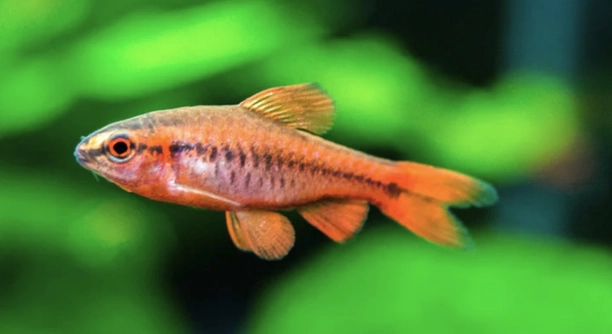
Cherry barbs are popular fish to breed, but there are a few things to consider. Understanding the key mistakes when breeding them will help you avoid unnecessary challenges and ensure a healthy, thriving population of these colorful fish.
Paragraph 2:
Breeding cherry barbs requires attention to water quality, proper tank conditions, and diet. Avoiding common mistakes such as poor tank setup, improper feeding, and lack of separation between sexes will lead to more successful breeding outcomes.
Paragraph 3:
Understanding these factors will not only help you improve your breeding techniques but also ensure the long-term health of your cherry barbs. Keep reading to discover the most common mistakes and how to avoid them.
Mistake 1: Poor Tank Setup
When breeding cherry barbs, tank setup plays a significant role in their success. A clean, spacious tank with proper filtration and heating is essential. Water quality needs to be stable, with a pH between 6.0 and 7.5, as cherry barbs are sensitive to changes. Providing plants and hiding spots also helps reduce stress, creating a more comfortable environment for both the parents and the fry. Without proper setup, breeding attempts can fail, and the fish might become sick or stressed.
A tank setup that mimics their natural environment will also encourage mating behaviors. Keeping the water temperature between 75°F and 80°F is ideal for breeding. Ensure that the tank is large enough to avoid overcrowding, as this can lead to aggressive behavior, especially among males.
If you’re using a breeding tank, make sure it is separate from the community tank to prevent disturbance. Substrate like marbles or a fine mesh will help protect the eggs from being eaten by the adults. Ensuring these simple adjustments creates the right conditions for breeding cherry barbs.
Mistake 2: Overfeeding
Overfeeding cherry barbs can lead to poor water quality and unnecessary stress. It’s easy to think that more food will help the fish, but this can cause health problems, including excessive waste.
Feeding your cherry barbs a balanced, varied diet of high-quality flakes, pellets, and occasional live food will maintain their health. Remember, overfeeding can lead to bloated fish and uneaten food, which can deteriorate the tank’s water quality quickly. Keep to a regular feeding schedule and remove excess food after a few minutes.
Mistake 3: Mixing Males and Females Too Early
Cherry barbs are not always ready to breed immediately after being introduced into a tank. If males and females are placed together too soon, it can cause stress and even aggression, particularly from the males who may chase the females.
It’s crucial to wait until the females are fully mature and the males are in peak breeding condition before placing them together. The males will show off their vibrant colors and perform display behaviors to attract the females. Introducing them at the right time will reduce stress and improve the chances of successful breeding.
Additionally, it’s important to provide plenty of hiding spots for the females, as they may seek refuge if the males become overly persistent. A good balance of both sexes, with a higher ratio of females to males, will keep the tank calm and reduce fighting.
Mistake 4: Not Separating Eggs and Fry
Once eggs are laid, they need to be protected. If they are left in the same tank as the adult cherry barbs, they will likely be eaten.
The best way to protect eggs and fry is to remove them to a separate breeding tank. Once eggs are laid, you can either place a mesh divider or carefully transfer them into a smaller tank with gentle filtration. Keeping the fry safe from adult fish ensures they will survive and grow without the threat of being eaten.
Fry are particularly vulnerable in the first few weeks of life. They will need frequent water changes, proper water temperature, and special fry food. Using a sponge filter in the breeding tank helps to maintain water quality without sucking up the fry.
Mistake 5: Ignoring Water Parameters
Water quality is key for breeding success. Cherry barbs are sensitive to shifts in their environment, so maintaining stable water conditions is crucial.
Regularly test the water’s pH, ammonia, nitrite, and nitrate levels to keep everything balanced. Aim for a pH between 6.0 and 7.5, with ammonia and nitrite levels as close to zero as possible.
Water changes should be done consistently to prevent a buildup of waste. Keep the temperature steady around 75°F to 80°F to encourage breeding. Poor water quality can prevent breeding and negatively affect the fish’s health.
Mistake 6: Not Providing Enough Plant Cover
Having plants in the tank is vital for breeding success. Cherry barbs prefer a planted tank, as it gives them plenty of places to hide and feel secure.
Adding soft-leaved plants like Java moss, hornwort, or water sprite encourages the fish to breed. These plants offer cover for both adults and fry. They also help keep the water oxygenated, contributing to a healthier environment.
When breeding, provide enough plant cover to make the fish feel at ease, reducing stress during the breeding process.
Mistake 7: Lack of Proper Lighting
Cherry barbs are sensitive to lighting, which can affect their breeding behavior. Too much light or too little can disrupt their natural cycles.
Lighting should be moderate and consistent. A timer can help maintain a day/night cycle. Too much light can stress the fish and discourage breeding, while too little light can affect their ability to see each other clearly for courtship displays.
FAQ
How do I know when my cherry barbs are ready to breed?
Cherry barbs become ready to breed when the males show vibrant red coloring and start performing courtship displays. The females, on the other hand, will appear rounder, indicating they are carrying eggs. Ideally, this happens in a well-maintained tank with stable water conditions. A good sign is when the males actively chase the females and present themselves in a more vibrant color to attract attention. If you’re unsure, check if the females have developed noticeable egg spots, which signals their readiness to breed.
Can I breed cherry barbs in a community tank?
While breeding cherry barbs in a community tank is possible, it’s not always ideal. The risk of the adult fish eating the eggs and fry is high. To increase the chances of success, consider setting up a separate breeding tank or using a breeding net or divider. This will ensure that the eggs are protected from being eaten. Moreover, avoid keeping aggressive or larger species with your cherry barbs, as they could cause stress or harm to the smaller fish.
What do I do if my cherry barbs aren’t breeding?
If your cherry barbs aren’t breeding, there could be several reasons. Start by ensuring your tank is set up correctly with the right water parameters. This includes maintaining a stable temperature (around 75°F to 80°F) and a pH between 6.0 and 7.5. You should also ensure that the fish are well-fed with a variety of foods and that the tank is spacious enough. If the males aren’t displaying vibrant colors or showing interest in the females, they may need a bit more time or specific triggers like light adjustments or slight changes in water conditions.
How many cherry barbs should I keep together for breeding?
A good male-to-female ratio for breeding cherry barbs is about 1 male for every 2 or 3 females. This ensures that the males don’t overly chase or stress out the females. In a smaller tank, you may need to adjust the number of fish to avoid overcrowding, but a balanced ratio will encourage more natural breeding behaviors and reduce the chances of aggression. Having more females also ensures that they won’t be harassed by the males constantly.
Do I need to add anything special to the tank to help with breeding?
To help with breeding, you should add plenty of plants and hiding spots in the tank. Soft-leaved plants like Java moss or water sprite work well for providing cover for both the eggs and fry. A breeding net or small divider can also help separate the eggs from the adult fish, ensuring they have a safe space to develop. Keep the water temperature in the 75°F to 80°F range and perform regular water changes to maintain good water quality. Lighting should also be moderate, as too much or too little light can affect breeding behavior.
How long does it take for cherry barb eggs to hatch?
Cherry barbs’ eggs typically take about 24 to 48 hours to hatch, depending on water temperature. Warmer water speeds up the hatching process, while cooler water may delay it. Once the eggs hatch, the fry will be very small and will need proper care, including adequate food and clean water. The fry can be fed infusoria or baby brine shrimp in the early stages. It’s crucial to keep the water quality stable and to remove any leftover food or waste from the tank to prevent infections.
Can I feed cherry barb fry the same food as adults?
No, baby cherry barbs (fry) need specialized food that’s appropriate for their size and nutritional needs. Initially, fry should be fed infusoria or powdered fry food that is fine enough for them to consume. As they grow, you can begin introducing newly hatched brine shrimp or finely crushed flakes. Adult food is too large and not nutrient-dense enough for the fry’s early growth stages. Be sure to feed them small amounts frequently to promote healthy development.
How do I prevent cherry barb eggs from being eaten?
Cherry barbs are known to eat their own eggs if they’re left in the same tank. The best way to protect them is to either move the eggs to a separate breeding tank or use a breeding net. These nets allow the eggs to remain in the same water conditions but keep them away from the adult fish. You can also place marbles or mesh in the tank to create a space where the eggs can be laid but not eaten. Just be sure to remove the adults from the tank after breeding to prevent them from consuming the eggs.
What temperature is best for breeding cherry barbs?
The ideal temperature for breeding cherry barbs is between 75°F and 80°F (24°C to 27°C). This range encourages spawning behaviors and keeps the fish comfortable. Temperatures outside this range may either slow down breeding or stress the fish. Additionally, sudden temperature fluctuations should be avoided, as they can cause shock and interfere with the fish’s natural reproductive cycle.
Why is my cherry barb male chasing the female?
If a male cherry barb is chasing a female, it’s most likely part of the courtship behavior. During the breeding season, males become more colorful and active, displaying their best colors to attract the females. The chasing is a way to encourage the female to release her eggs. However, excessive chasing can stress the female, so it’s important to ensure that she has plenty of places to hide and rest. If the chasing becomes aggressive, the male may need to be removed temporarily.
Final Thoughts
Breeding cherry barbs can be a rewarding experience when you know what to avoid and how to care for the fish properly. With the right tank setup, attention to water quality, and the proper care for the fry, you can have success in breeding these beautiful fish. It’s important to understand that while cherry barbs are relatively easy to care for, breeding them requires a bit more effort and patience. Ensuring the tank is spacious, with plenty of plants and hiding spots, will make all the difference. Cherry barbs thrive in stable environments, so regular water changes and proper filtration are key factors in maintaining a healthy breeding setup.
Many common mistakes can be avoided with a little extra care and attention. The most important points to remember include setting up a good tank, maintaining stable water parameters, and separating the eggs from the adult fish to prevent them from being eaten. It’s also crucial to avoid overfeeding, as this can lead to poor water quality and unhealthy fish. While cherry barbs are relatively hardy, keeping them in optimal conditions ensures a higher chance of successful breeding. Don’t forget to provide a balanced diet for both the adults and the fry to help them grow strong and healthy.
Breeding cherry barbs isn’t difficult, but it does require understanding the unique needs of the fish at each stage of the process. With proper planning and care, you can enjoy watching your cherry barbs thrive and reproduce. It’s essential to monitor the tank closely, make adjustments when necessary, and be patient throughout the entire process. Once you understand the key factors involved, breeding cherry barbs can be a rewarding and fulfilling experience. By avoiding common mistakes and providing the right environment, you can ensure that both your adult fish and their fry will remain healthy and happy.

Hello,
If you enjoy the content that we create, please consider saying a "Thank You!" by leaving a tip.
Every little bit helps us continue crafting quality advice that supports the health, happiness, and well-being of pets around the world, for pets of all shapes, sizes, and species.
We really appreciate the kindness and support that you show us!