
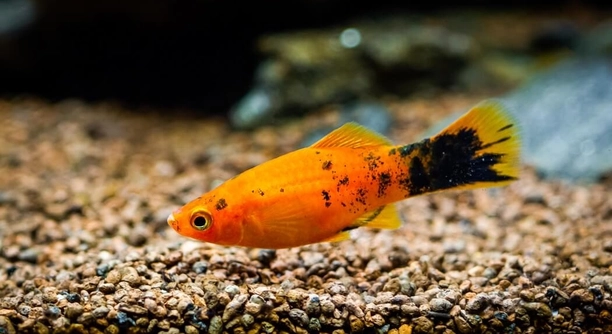
Platies are popular freshwater fish known for their vibrant colors and peaceful nature. Many aquarium enthusiasts enjoy keeping them, but sometimes these fish show signs of stress that can affect their health. Understanding common mistakes can help maintain a happy and thriving tank.
Stress in platies often results from environmental factors, improper feeding, overcrowding, poor water quality, sudden changes, incompatible tank mates, and inadequate hiding spaces. Identifying and correcting these mistakes is crucial for reducing stress and promoting their well-being.
Recognizing these stress triggers early will help you create a more comfortable environment for your platies. This article will guide you through the most common errors and how to avoid them.
Overcrowding Your Platies’ Tank
Overcrowding is a common issue that causes a lot of stress for platies. These fish need enough space to swim freely and establish territories. When there are too many fish in a small tank, water quality often deteriorates faster, leading to harmful conditions. Overcrowded tanks can also increase aggression between fish, making platies more anxious. It’s important to follow recommended stocking guidelines and consider the tank size before adding more fish. Regular water changes and filtration can help, but space is the foundation for a healthy environment. If your platies seem restless or hide often, overcrowding might be the problem.
Too many fish in a small tank limit movement and increase waste, creating a stressful environment. Ensuring enough space prevents illness and promotes natural behavior.
A good rule is to allow at least one gallon of water per inch of fish. Larger tanks with fewer fish reduce stress and improve their quality of life. Avoid impulse buying more fish without planning the tank capacity. Observing how your platies behave can guide you on when the tank feels too crowded.
Poor Water Quality and Its Effects
Dirty or poorly maintained water is a serious source of stress for platies. These fish are sensitive to changes in pH, ammonia, nitrites, and nitrates. Neglecting regular water tests and changes can lead to toxic buildup, affecting their health quickly. Even if the tank looks clean, invisible chemicals might be harming your fish. It’s essential to check water parameters weekly and perform partial water changes regularly. Using a reliable filtration system helps keep the water stable. Sudden shifts in temperature or pH also cause stress, so gradual adjustments are best when needed.
Proper water maintenance involves regular testing and changing about 20-30% of the water weekly. This keeps harmful chemicals low and supports fish health.
Keeping water clean is more than just looks. It ensures oxygen levels stay high and removes waste that platies produce. Keeping water stable with minimal fluctuations reduces their stress and helps prevent disease. Using water conditioners can also neutralize chlorine or chloramines found in tap water. A consistent schedule for cleaning and testing creates a healthier environment where your platies can thrive.
Incompatible Tank Mates
Platies do best with peaceful fish. Aggressive or territorial species can stress them out quickly. Avoid placing platies with fin-nippers or large, dominant fish that might bully them.
Stress caused by aggressive tank mates can lead to hiding, loss of appetite, or illness. Platies prefer calm companions like guppies, mollies, or tetras. Introducing new fish requires careful observation to ensure compatibility. Even small fish can cause stress if they are overly active or aggressive. Mixing incompatible species often results in constant chasing and injuries.
If you notice your platies acting nervous or hiding more, check your other fish’s behavior. Sometimes, even subtle bullying can harm their well-being. Rearranging the tank or separating aggressive fish might be necessary. Peaceful coexistence promotes healthier fish and a more enjoyable aquarium.
Sudden Changes in Environment
Platies are sensitive to sudden changes in water temperature, pH, or lighting. Abrupt shifts can cause immediate stress and weaken their immune system. Keeping a stable environment is key.
Gradual adjustments help platies adapt without stress. When introducing new water, match temperature and chemistry closely to the tank’s conditions. Sudden temperature drops or spikes can lead to shock or illness. Similarly, changing tank decorations or lighting too quickly can disrupt their routine. It’s best to make small changes over days to weeks. Monitoring your tank’s parameters regularly helps catch any sudden shifts early before they affect your fish’s health.
Inadequate Hiding Spots
Platies need places to hide and feel secure. A lack of shelters can cause them to become anxious and stressed.
Adding plants, rocks, or decorations provides safe spaces. These help platies relax and reduce aggressive encounters.
Overfeeding and Its Consequences
Feeding platies too much or too often leads to poor water quality and obesity. Excess food decomposes, raising ammonia and nitrate levels, which stress fish and can cause illness. Overfeeding can also result in bloating and swim bladder problems. Feeding small amounts once or twice daily is enough to keep them healthy and active. Observing their eating habits helps adjust portions and avoid waste buildup.
Sudden Noise or Vibrations
Loud noises or frequent vibrations near the tank can startle platies. Keeping their environment calm supports their well-being.
FAQ
Why do my platies hide all the time?
Platies often hide when they feel stressed or threatened. Overcrowding, aggressive tank mates, or lack of hiding spots can cause this behavior. It’s a natural response to feel safe when conditions aren’t ideal. Improving tank conditions by reducing stress factors can encourage them to swim more openly.
How often should I clean my platies’ tank?
Regular cleaning is essential. Aim for partial water changes of 20-30% weekly to keep water quality stable. Cleaning the substrate and filter every few weeks helps reduce waste buildup. Avoid full cleanings that disturb beneficial bacteria, as they keep the tank healthy.
Can sudden temperature changes really harm platies?
Yes, platies are sensitive to rapid temperature shifts. Sudden changes can cause shock, weaken their immune system, and make them prone to illness. It’s best to keep the tank temperature stable between 70-78°F and adjust slowly if needed.
What is the best diet for platies?
A varied diet keeps platies healthy. High-quality flake or pellet food should be the base. Supplement with live or frozen foods like brine shrimp or bloodworms, and occasional vegetable matter like blanched spinach. Avoid overfeeding to prevent water quality issues.
Why are my platies chasing each other?
Chasing can be normal social behavior, especially during mating. However, excessive chasing or aggression may indicate overcrowding, stress, or incompatible tank mates. Make sure the tank is large enough and that companions are peaceful species.
How can I tell if my platies are stressed?
Signs of stress include hiding frequently, loss of appetite, faded colors, erratic swimming, or gasping at the surface. Stress often leads to weakened immune responses and disease. Early detection allows for quick changes to improve their environment.
Is it necessary to quarantine new fish before adding them to the tank?
Yes, quarantining new fish helps prevent diseases from spreading. Keeping new arrivals in a separate tank for 2-4 weeks allows you to monitor health and treat any illnesses before introducing them to your platies.
What role does lighting play in platies’ stress levels?
Lighting affects platies’ behavior and stress. Too much bright light can cause discomfort, while too little may disrupt their natural cycles. Aim for 8-12 hours of moderate light daily, mimicking natural conditions, and provide shaded areas with plants or decorations.
Can changes in water pH stress platies?
Yes, platies prefer stable water pH between 6.8 and 8.0. Sudden shifts outside this range can stress them and cause health problems. Regularly test water and make gradual adjustments if necessary.
Are tank decorations important for platies?
Yes, decorations like plants and rocks provide hiding spots and help reduce stress by offering security. They also create a natural environment that encourages natural behaviors and reduces boredom.
How do I prevent overfeeding without underfeeding?
Feed small amounts your platies can consume within 2-3 minutes, once or twice daily. Observe their eating habits and adjust portions. Remove uneaten food quickly to maintain water quality and avoid stress.
What should I do if my platies get sick?
Isolate sick fish to prevent spreading illness. Test water quality and correct any problems. Identify symptoms and use appropriate treatments, following instructions carefully. Improving tank conditions helps prevent future sickness.
How important is tank size for platies?
Tank size is very important. Small tanks can cause stress due to limited space and poor water quality. A minimum of 10 gallons is recommended for a small group of platies. Larger tanks provide a more stable environment and reduce aggressive behavior.
Can platies live with other fish species?
Platies are generally peaceful and can live with other non-aggressive fish of similar size. Avoid aggressive or large species. Always research compatibility before adding new fish to avoid stress and injuries.
What are common signs of poor water quality?
Cloudy water, strong odors, algae overgrowth, and fish showing gasping or lethargy are signs of poor water quality. Regular testing and maintenance prevent these issues and keep platies healthy.
Final Thoughts
Taking care of platies requires attention to their environment and daily needs. Stress is one of the main reasons these fish may become unhealthy or show unusual behavior. Many common mistakes, such as overcrowding, poor water quality, or incompatible tank mates, can be avoided with proper care and planning. Keeping a stable tank with enough space, clean water, and peaceful companions is essential for their well-being. When these basic needs are met, platies tend to be active, colorful, and healthy.
It is also important to observe your platies regularly. Watching how they swim, eat, and interact can help you spot signs of stress early. Changes like hiding more than usual, faded colors, or loss of appetite should not be ignored. These symptoms can indicate issues with the tank or their health. Making small adjustments, like improving water quality or providing hiding spots, often helps reduce stress. Preventive care is always better than trying to fix problems after they become severe.
Maintaining a platy tank is a continuous process that requires patience and commitment. Regular cleaning, proper feeding, and careful monitoring create a supportive environment where platies can thrive. Avoid sudden changes and handle all adjustments slowly. Providing a balanced diet and ensuring the right water conditions helps keep their immune system strong. By understanding and avoiding common mistakes, you can enjoy a vibrant and peaceful aquarium with happy platies for a long time.

Hello,
If you enjoy the content that we create, please consider saying a "Thank You!" by leaving a tip.
Every little bit helps us continue crafting quality advice that supports the health, happiness, and well-being of pets around the world, for pets of all shapes, sizes, and species.
We really appreciate the kindness and support that you show us!