
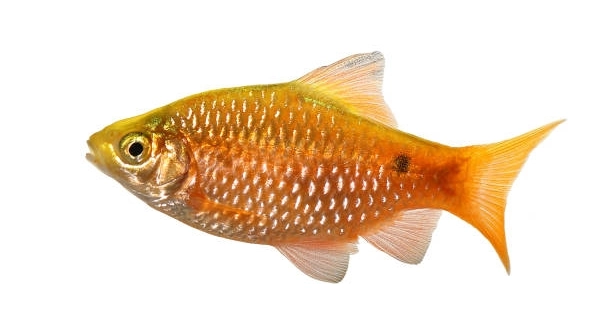
Rosy barbs are popular aquarium fish known for their bright colors and active behavior. Many fishkeepers enjoy watching them, but sometimes these fish show signs of stress that can be hard to understand. Recognizing common mistakes can help maintain their health and wellbeing.
The main causes of stress in rosy barbs are related to poor water quality, inadequate tank size, improper diet, overcrowding, incompatible tank mates, sudden environmental changes, and lack of hiding spots. Addressing these factors is essential to reduce stress and promote healthy behavior.
Learning about these common errors can improve the care of your rosy barbs and create a better environment for them to thrive. The following points highlight key areas where mistakes often occur and how to avoid them.
Poor Water Quality and Its Effects
Water quality plays a vital role in keeping rosy barbs healthy. When water is dirty or contains high levels of toxins, it causes stress and weakens their immune system. Fish produce waste, and leftover food adds to water pollution. Without regular water changes, harmful ammonia and nitrite levels rise. These chemicals irritate the fish’s skin and gills, leading to illness. Testing water parameters like pH, ammonia, nitrite, and nitrate regularly is necessary. Rosy barbs prefer slightly alkaline water with stable conditions. Sudden changes in temperature or pH can also stress them. Filtration helps maintain clean water but is not enough alone. Regular partial water changes keep toxins low and oxygen levels stable. Proper water quality reduces stress and helps prevent diseases, making your fish more active and colorful.
Testing water weekly and performing partial changes of 20-30% helps maintain stable conditions for your rosy barbs.
A stable, clean aquatic environment ensures your fish live longer and display natural behavior. It also minimizes stress-related diseases. Maintaining proper water quality is a foundational step in fish care that should not be overlooked.
Inadequate Tank Size and Overcrowding
Rosy barbs need enough space to swim and grow comfortably. Small tanks with too many fish cause stress and aggression. A minimum of 20 gallons is recommended for a small group. Overstocking reduces oxygen levels and increases waste, worsening water quality. It also limits movement, which is essential for their active nature. Keeping the right number of fish prevents fights and injuries. Providing room encourages natural schooling behavior, which reduces anxiety. A cramped tank often leads to dull colors and weakened health. The right tank size supports their energy and social needs, ensuring they thrive and display their best colors.
Improper Diet
Feeding rosy barbs an unbalanced diet causes health problems and stress. They need a variety of foods to stay healthy and colorful.
A diet consisting only of flakes or pellets lacks necessary nutrients. Rosy barbs benefit from occasional live or frozen foods like bloodworms, brine shrimp, and daphnia. These protein-rich foods support growth and vitality. Adding some vegetable matter such as blanched spinach or spirulina flakes helps provide fiber and vitamins. Overfeeding can pollute the water and cause digestive issues, so feed small amounts once or twice a day. A balanced diet strengthens their immune system and improves color.
Variety in diet mimics their natural feeding habits and keeps them engaged. Regularly rotating food types ensures all nutritional needs are met. Avoid feeding only one type of food for long periods, as this can cause deficiencies and weaken your fish.
Incompatible Tank Mates
Some fish species stress rosy barbs because of aggressive or territorial behavior. Choosing compatible tank mates is important for peace.
Rosy barbs do well with other peaceful, similarly sized fish. Avoid aggressive species or those that nip fins, as rosy barbs have delicate fins that tear easily. Larger predatory fish can intimidate or harm them. Keeping only rosy barbs or mixing with species like danios or tetras reduces stress. Introducing too many different fish species at once may disrupt the tank balance. Observing behavior after introducing new fish helps catch conflicts early.
Compatibility ensures your rosy barbs can swim freely and display natural behavior without constant threat. Tank mates that stress or bully them reduce their health and lifespan. Planning the community carefully supports a calm environment.
Sudden Environmental Changes
Sudden changes in temperature or lighting stress rosy barbs quickly. These fish need stable conditions to feel secure.
Rapid shifts can cause shock, weaken immune response, and trigger hiding or erratic swimming. Consistent routines help them stay calm and healthy.
Lack of Hiding Spots
Rosy barbs require places to retreat when feeling threatened or stressed. Without hiding spots, their anxiety increases.
Plants, rocks, and decorations create safe areas. These reduce stress and allow natural behaviors like exploring and resting. A well-decorated tank supports overall wellbeing.
Overcrowding Effects
Overcrowding leads to poor water quality and competition for resources. This increases stress and disease risk in rosy barbs.
Maintaining an appropriate number of fish per tank size prevents these issues. Overcrowding disrupts social behavior and reduces swimming space, harming health.
What causes rosy barbs to become stressed?
Rosy barbs become stressed mainly due to poor water quality, overcrowding, incompatible tank mates, improper diet, sudden changes in their environment, and lack of hiding spots. Stress weakens their immune system, making them more vulnerable to disease. Maintaining stable water conditions and providing enough space are key to preventing stress.
How often should I test the water in my rosy barb tank?
Testing the water at least once a week is recommended. Focus on ammonia, nitrite, nitrate, and pH levels. Regular testing helps detect harmful changes early, allowing for prompt action. Consistent water changes and filtration keep these levels within safe ranges for your fish.
What is the ideal tank size for rosy barbs?
A minimum tank size of 20 gallons is ideal for a small group of rosy barbs. These fish are active swimmers and need ample space to reduce stress and prevent aggression. Larger tanks provide better water quality and swimming room, supporting their social and physical needs.
Can rosy barbs live with other fish species?
Yes, but choosing compatible tank mates is crucial. Rosy barbs do well with peaceful species of similar size, like danios or tetras. Avoid aggressive or fin-nipping fish, which can cause stress or injury. Always observe fish behavior when introducing new tank mates.
What should I feed my rosy barbs?
A balanced diet is essential. Feed high-quality flakes or pellets daily, supplemented with live or frozen foods like bloodworms and brine shrimp. Adding some vegetable matter like spirulina flakes or blanched spinach supports their nutrition. Avoid overfeeding to maintain water quality.
How can I create hiding spots in the tank?
Use live or artificial plants, rocks, and aquarium decorations to create safe areas. These provide shelter when rosy barbs feel threatened or stressed. Hiding spots also encourage natural behaviors and reduce anxiety, promoting overall wellbeing.
Why do sudden changes in temperature stress rosy barbs?
Sudden temperature shifts can shock rosy barbs because they are sensitive to changes. Rapid drops or increases affect their metabolism and immune system. Maintaining stable temperature with a reliable heater and avoiding quick adjustments helps keep them calm and healthy.
How do I know if my rosy barbs are stressed?
Signs of stress include erratic swimming, hiding more than usual, loss of color, reduced appetite, and clamped fins. Stress can lead to illness, so observing behavior daily helps catch problems early. Taking steps to improve tank conditions can reverse these symptoms.
What happens if the tank is overcrowded?
Overcrowding causes poor water quality, increased waste, and low oxygen levels. It also increases competition for food and space, leading to aggression and stress. Proper stocking density is important to maintain a healthy environment and reduce disease risks.
How often should I change the water in my rosy barb tank?
Perform partial water changes of 20-30% weekly to keep the water clean and reduce toxins. Regular changes help maintain stable water chemistry and oxygen levels, both critical for healthy rosy barbs. Avoid changing too much water at once to prevent stress.
Can overfeeding harm rosy barbs?
Yes, overfeeding pollutes the water and can cause digestive problems. Uneaten food decomposes, raising ammonia and nitrate levels. Feed small amounts that the fish consume within a few minutes, usually once or twice a day, to maintain water quality and fish health.
Are rosy barbs sensitive to lighting changes?
They are sensitive to sudden lighting changes. Abrupt brightening or dimming can startle them and increase stress. Using a consistent light schedule with gradual changes in intensity is best for their comfort and natural activity patterns.
Taking care of rosy barbs involves paying close attention to several important factors. Their wellbeing depends heavily on stable water quality, a properly sized tank, and a balanced diet. Ensuring that the water remains clean by testing it regularly and performing partial changes is critical. Rosy barbs are sensitive to toxins like ammonia and nitrite, which can build up quickly if water maintenance is neglected. Keeping their environment stable and clean helps reduce stress and prevents many common health issues.
Tank size also plays a key role in the health of rosy barbs. These fish are active swimmers that need enough space to move freely. Overcrowding can lead to aggression, competition for resources, and poor water quality. Providing adequate space along with hiding spots made from plants and decorations gives them a safe place to rest when they feel threatened. This setup supports their natural behavior and helps keep their stress levels low. Selecting compatible tank mates is equally important, as aggressive or fin-nipping fish can cause anxiety and injury.
Finally, diet and environment stability should never be overlooked. Feeding rosy barbs a varied and balanced diet supports their immune system and color. Sudden changes in temperature or lighting can cause unnecessary stress, so maintaining consistency is essential. Overall, understanding and avoiding common mistakes helps keep rosy barbs healthy and vibrant. Careful attention to these factors creates a better living environment where rosy barbs can thrive and display their natural beauty.

Hello,
If you enjoy the content that we create, please consider saying a "Thank You!" by leaving a tip.
Every little bit helps us continue crafting quality advice that supports the health, happiness, and well-being of pets around the world, for pets of all shapes, sizes, and species.
We really appreciate the kindness and support that you show us!