
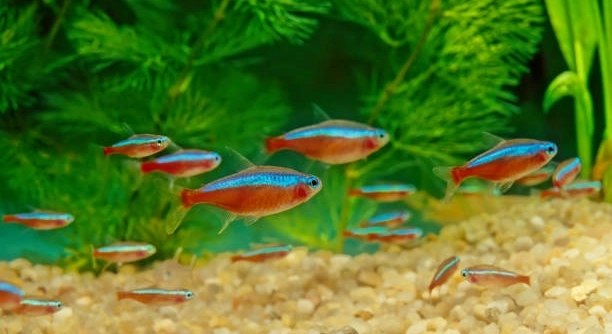
New tetra fish are popular pets but can often experience stress in new environments. Understanding common mistakes helps reduce their anxiety and supports their well-being. This article highlights frequent errors that may unsettle your tetra.
Stress in new tetra fish commonly results from poor water quality, overcrowding, sudden changes in environment, inappropriate diet, lack of hiding spots, improper tank cycling, and incorrect tank mates. These factors disrupt their natural behavior and physiological balance, leading to stress.
Recognizing these mistakes is key to creating a calm and healthy habitat for your tetra fish. This guide will help you avoid these common pitfalls for a happier aquatic pet.
Poor Water Quality
Maintaining good water quality is essential for new tetra fish. When water contains high levels of ammonia, nitrites, or nitrates, it can quickly stress your fish. Many new fish owners overlook the importance of regular water testing and changes, which leads to harmful buildup. Temperature fluctuations or unbalanced pH levels also add to stress. Tetras thrive best in clean, stable water conditions. Setting up a proper filtration system and doing weekly partial water changes keeps the tank environment healthy. Introducing new fish without properly cycling the tank causes ammonia spikes, which can be fatal. Monitoring water parameters regularly helps you catch problems early before your tetra shows signs of distress. Taking these steps creates a comfortable habitat where your fish can adjust smoothly and stay healthy.
Testing water weekly and performing partial water changes keeps your tetra’s environment stable and stress-free.
Water quality affects every aspect of your tetra’s health. Ammonia and nitrite levels should always be at zero, while nitrates must stay below 20 ppm. Sudden pH shifts confuse their natural systems. Proper cycling allows beneficial bacteria to develop, breaking down toxins safely. New tank setups often lack this bacterial colony, causing dangerous spikes that irritate gills and weaken immune systems. Regular water changes reduce nitrate accumulation and remove waste. Using a good filtration system speeds toxin removal and oxygenates the water. Avoid overcrowding, which increases waste production. Tetras are sensitive to chemicals like chlorine found in tap water, so always treat new water before adding it to the tank. Keeping these factors balanced gives your tetra a peaceful environment where it can thrive without constant stress.
Overcrowding and Tank Size
Overcrowding is a common mistake that stresses new tetra fish. Small tanks with too many fish cause poor water conditions and limit space for swimming.
A larger tank with fewer tetras prevents stress and promotes natural behavior.
A proper tank size allows tetras to swim freely and reduces territorial disputes. Overcrowding leads to aggression, poor oxygen levels, and faster waste buildup. Tetras prefer to school in groups of at least six, but the tank must be big enough to accommodate them comfortably. A minimum of 20 gallons is recommended for a small school. When tanks are cramped, stress weakens fish, making them vulnerable to diseases. Proper space ensures they can explore and hide, reducing anxiety. Taking time to choose an adequately sized tank prevents many common problems and creates a healthier environment for your tetras to flourish.
Sudden Environmental Changes
Sudden changes in water temperature or lighting stress tetras. They need gradual adjustments to stay calm.
Abrupt shifts shock their systems, making them vulnerable to illness. When moving tetras to a new tank, slowly acclimate them over several hours. Avoid changing lighting intensity quickly, as it disrupts their natural rhythms. Keeping a consistent environment helps maintain their health and reduces stress responses.
Tetras are sensitive to rapid environmental shifts. A sudden temperature drop or increase causes metabolic strain. Slowly raising or lowering tank temperature by about 1-2 degrees per day prevents shock. Sudden light changes can trigger panic or hiding behavior, so adjust brightness gently. Maintaining steady conditions replicates their natural habitat and supports immune function. These small precautions ensure your tetra adapts smoothly without unnecessary stress, improving overall well-being.
Inappropriate Diet
Feeding your tetra the wrong food causes stress and poor health. They require a balanced diet suited to their needs.
Tetras thrive on a variety of small flakes, pellets, and occasional live or frozen foods. Avoid overfeeding, which leads to water pollution and digestive issues.
A diet lacking in essential nutrients weakens your tetra’s immune system. Providing a mix of high-quality flakes and protein-rich treats mimics their natural diet. Overfeeding causes uneaten food to decay, harming water quality and increasing ammonia levels, which stresses fish. Feeding small portions two to three times daily is ideal. Regularly rotating food types keeps your tetra interested and nourished. Careful attention to diet supports vibrant color and active behavior, key signs of a healthy tetra.
Lack of Hiding Spots
Tetras need places to hide to feel secure. Without shelters, they become stressed and vulnerable.
Adding plants, caves, or decorations gives tetras refuge and reduces anxiety. A well-decorated tank mimics their natural environment and encourages natural behavior.
Improper Tank Cycling
Tank cycling establishes beneficial bacteria that break down toxins. Skipping this step causes harmful ammonia and nitrite spikes.
A fully cycled tank ensures a stable environment for tetras. It usually takes 4-6 weeks and prevents stress and illness by maintaining water quality.
Incorrect Tank Mates
Some fish are aggressive or too large for tetras, causing constant stress. Tetras do best with peaceful, similarly sized species.
Choosing compatible tank mates prevents bullying and injury, promoting a calm community tank.
FAQ
What causes my new tetra to act stressed?
Stress in new tetras often comes from poor water quality, overcrowding, sudden environmental changes, or lack of hiding spots. These factors disrupt their natural behavior and weaken their immune system. Maintaining stable water parameters and a calm environment helps reduce stress.
How can I tell if my tetra is stressed?
Signs include hiding constantly, loss of color, rapid breathing, erratic swimming, or loss of appetite. Stress makes tetras vulnerable to disease and shortens their lifespan, so observing these behaviors early is important.
How do I properly cycle a tank for tetras?
Cycling involves establishing beneficial bacteria that convert toxic ammonia and nitrites into less harmful nitrates. It takes about 4-6 weeks and can be monitored using water test kits. Adding a few hardy fish or ammonia sources during cycling helps build bacteria.
How often should I change the water?
Partial water changes of 20-25% weekly keep toxins low and water fresh. Avoid changing too much at once to prevent shocking your fish. Regular maintenance ensures a healthy tank environment.
What is the best diet for my tetra?
Feed a balanced diet of high-quality flakes or pellets, supplemented with occasional live or frozen foods like brine shrimp or daphnia. Avoid overfeeding, as leftover food pollutes the tank and stresses fish.
Can tetras live with other fish?
Yes, but choose peaceful species of similar size. Avoid aggressive or large fish that may bully or eat tetras. Good tank mates reduce stress and promote a peaceful community.
How many tetras should be kept together?
Tetras are schooling fish and feel safer in groups of six or more. Small groups can cause stress and lead to aggression or hiding. A proper school helps maintain natural behavior.
What tank size do tetras need?
A minimum of 20 gallons is recommended for a small school. Larger tanks provide more swimming space and stable water conditions, reducing stress.
Why is water temperature important?
Tetras prefer temperatures between 72-78°F (22-26°C). Sudden changes can shock their system and cause stress. Maintain stable temperature using a reliable heater and thermometer.
How can I provide hiding spots?
Use live or artificial plants, caves, or decorations to create safe spaces. These reduce stress by giving tetras places to retreat when they feel threatened.
What happens if the tank is overcrowded?
Overcrowding causes poor water quality, aggressive behavior, and increased stress. It also raises toxin levels, which can harm your fish’s health.
Why should I avoid sudden lighting changes?
Sudden bright lights can startle tetras, causing panic or hiding. Gradual lighting transitions help maintain their natural rhythms and reduce stress.
How do I acclimate new tetras to my tank?
Float the sealed bag in your tank for 15-20 minutes to equalize temperature. Slowly add small amounts of tank water to the bag over an hour before releasing fish. This prevents shock from water parameter differences.
What are common signs of illness from stress?
Stress weakens immunity, leading to diseases like fin rot, ich, or fungal infections. Look for white spots, torn fins, or lethargy as warning signs.
Can overfeeding cause stress?
Yes, uneaten food decomposes and pollutes water, increasing ammonia and nitrate levels. Feeding small amounts twice daily helps prevent this issue.
How important is tank maintenance?
Regular cleaning and water changes are vital to prevent toxin buildup and maintain a healthy environment. Neglecting maintenance leads to poor water quality and stressed fish.
What should I do if my tetra is stressed?
Test water quality, ensure proper tank size, provide hiding spots, and check for compatible tank mates. Adjust feeding habits and maintain stable environmental conditions to help your tetra recover.
Is it normal for new tetras to hide a lot?
Some hiding is normal as they adjust. Persistent hiding may indicate stress or illness, so monitor water parameters and tank conditions carefully.
Can stress affect tetra coloration?
Yes, stressed tetras often lose their bright colors and appear dull. Improving tank conditions usually helps restore their natural hues.
How long does it take for a tetra to adjust to a new tank?
Adjustment varies but generally takes 1-2 weeks. During this time, maintaining stable water conditions and minimizing disturbances supports a smooth transition.
Final Thoughts
Taking care of new tetra fish requires attention to several important factors that affect their health and happiness. Avoiding common mistakes such as poor water quality, overcrowding, and sudden changes can make a big difference in reducing stress for your tetras. A clean, stable environment with proper water parameters helps your fish adjust more easily and stay healthy over time. Regular testing and maintenance of the tank are necessary to prevent harmful conditions that can lead to illness or discomfort.
Creating a comfortable habitat also means providing enough space and places to hide. Tetras are naturally shy and benefit from decorations like plants or caves where they can retreat when feeling threatened. Keeping the tank size appropriate for the number of fish helps reduce aggression and keeps water quality stable. Feeding your tetras a balanced diet with a mix of flakes, pellets, and occasional live foods supports their energy and overall well-being. Overfeeding should be avoided because it causes water pollution, which can add stress.
Understanding the needs of your tetra fish is key to preventing stress and promoting long-term health. Taking time to learn about proper tank cycling, water temperature, and compatible tank mates ensures a peaceful and thriving aquarium. Stress can weaken your tetras’ immune system, making them vulnerable to disease, so minimizing stress factors is essential. With consistent care and attention, your new tetras can grow comfortable, show bright colors, and display natural behaviors, making them a rewarding addition to your home.

Hello,
If you enjoy the content that we create, please consider saying a "Thank You!" by leaving a tip.
Every little bit helps us continue crafting quality advice that supports the health, happiness, and well-being of pets around the world, for pets of all shapes, sizes, and species.
We really appreciate the kindness and support that you show us!