
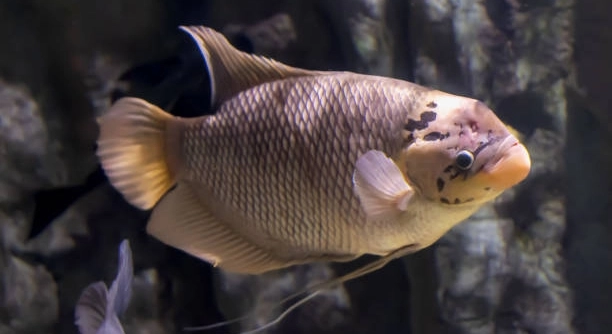
Gouramis are popular freshwater fish known for their bright colors and peaceful nature. Many people enjoy keeping them in home aquariums. However, certain mistakes can cause unnecessary stress for these sensitive fish.
Gouramis experience stress mainly due to poor water conditions, improper tank setup, and inadequate diet. Other common factors include overcrowding, aggressive tank mates, lack of hiding places, and sudden environmental changes. These issues disrupt their well-being and behavior.
Recognizing these stressors can help you create a healthier environment for your gourami. Paying attention to simple details ensures your fish stay calm and thrive in their tank.
Poor Water Quality
Water quality is one of the most important factors for keeping gouramis healthy and stress-free. Dirty water can quickly cause problems by increasing toxins like ammonia and nitrites, which are harmful to fish. Many beginners overlook regular water changes or fail to test water parameters. Gouramis are sensitive to changes in pH, temperature, and hardness, so it’s important to keep these stable. A well-maintained filter and partial water changes every week help keep the water clean and safe. Avoid using soap or chemicals when cleaning the tank, as residues can harm your fish. Keeping the water clear and well-oxygenated also reduces stress and prevents illness. Remember, consistent care is key to a peaceful tank environment where gouramis can thrive.
Bad water quality is a common source of stress that can easily be avoided with routine maintenance.
By testing water regularly and performing weekly water changes, you can prevent many health issues. Keeping a stable environment reduces stress and promotes long-term wellbeing for your gouramis.
Overcrowding and Aggressive Tank Mates
Overcrowding causes stress by limiting space and increasing waste buildup. Gouramis need enough room to swim freely and establish territory. A cramped tank can lead to constant competition and aggression among fish. Choosing compatible tank mates is essential; some fish may nip at gouramis’ fins or chase them. Avoid keeping gouramis with overly aggressive species or those that require very different water conditions. Providing enough hiding places helps reduce tension and gives gouramis a safe retreat. Proper stocking levels and peaceful companions improve overall tank harmony. A balanced community tank means less stress and healthier fish.
Improper Diet
Feeding gouramis the wrong food or overfeeding can cause stress and health problems.
Gouramis need a varied diet including flakes, pellets, and occasional live or frozen foods like brine shrimp or bloodworms. Feeding only one type of food can lead to nutritional deficiencies. Overfeeding causes uneaten food to decay, polluting the tank and stressing the fish. It’s best to feed small amounts two to three times a day, only what they can eat in a few minutes.
A balanced diet helps maintain gouramis’ vibrant colors and energy levels. Avoid feeding human food or excessive treats, which can upset their digestive system. Keeping a consistent feeding schedule supports their health and reduces stress.
Lack of Hiding Places
Gouramis feel vulnerable without enough places to hide.
Plants, caves, or decorations provide shelter and reduce stress by giving gouramis a sense of security. Without these, they can become anxious and shy, hiding in corners or showing signs of distress. A well-decorated tank mimics their natural habitat, making them more comfortable.
Adding live or artificial plants, along with smooth rocks or small caves, creates a safer environment. Hiding spots help gouramis escape from potential threats or aggressive tank mates. Providing cover encourages natural behaviors and promotes a calm, healthy tank atmosphere.
Sudden Changes in Environment
Sudden changes in water temperature or lighting can shock gouramis.
They prefer stable conditions and may become stressed if the tank environment shifts quickly. Gradual adjustments are important to keep them calm and healthy.
Overuse of Chemicals
Using too many medications or water treatments can harm gouramis.
While treatments may be necessary at times, overuse can weaken their immune system and cause stress. Always follow dosage instructions carefully and avoid unnecessary chemicals. Regular tank maintenance reduces the need for frequent treatments, supporting a healthier environment for your fish.
Inadequate Tank Size
A small tank limits gouramis’ natural behavior and causes stress.
Gouramis need enough space to swim and explore. Keeping them in tanks smaller than 20 gallons can lead to stunted growth and aggressive behavior. Providing an appropriately sized tank improves their health and happiness.
Ignoring Signs of Stress
Recognizing stress in gouramis is crucial for timely care.
How can I tell if my gourami is stressed?
Signs of stress in gouramis include hiding more than usual, loss of appetite, faded colors, rapid gill movement, and erratic swimming. You might notice clamped fins or rubbing against objects in the tank. Stress can also make them more prone to illness. Watching their behavior closely helps catch problems early.
What is the best water temperature for gouramis?
Gouramis thrive in water temperatures between 74°F and 82°F (23°C to 28°C). Maintaining a stable temperature within this range prevents stress. Sudden fluctuations can shock them, so it’s best to use a reliable heater and thermometer to keep the water steady.
How often should I change the water in my gourami tank?
Performing a partial water change of 20-30% once a week is ideal. This keeps toxins low and water quality high. Avoid changing too much at once, as it can disrupt the tank’s balance and stress the fish.
Can I keep multiple gouramis together?
Some gouramis can live peacefully together, but it depends on species and tank size. Overcrowding leads to stress and aggression. Males especially may fight if the tank is too small. Providing enough space and hiding spots reduces conflict.
What foods are best for gouramis?
A varied diet is key. High-quality flakes or pellets designed for gouramis or tropical fish form a good base. Supplement with frozen or live foods like bloodworms, brine shrimp, and daphnia to boost nutrition. Avoid overfeeding to keep water clean.
Why is my gourami hiding all the time?
Hiding can indicate stress, illness, or discomfort. Lack of hiding places, poor water quality, or aggressive tank mates may cause this behavior. Make sure the tank has plenty of plants or decorations for shelter and check water parameters.
Can sudden changes in lighting affect gouramis?
Yes, gouramis prefer consistent lighting that mimics a natural day-night cycle. Sudden bright lights or frequent changes can cause stress. Using a timer to regulate lighting helps maintain a stable environment.
What tank size is recommended for a gourami?
At least 20 gallons is recommended for a single gourami to allow enough swimming space. Larger tanks reduce stress and aggression, especially if keeping multiple fish. More space means better water quality and happier fish.
How do I treat stress-related illnesses in gouramis?
First, identify and correct the source of stress, like poor water or aggressive tank mates. Then, treat symptoms as needed with appropriate medications. Always follow dosage instructions and quarantine sick fish if possible to prevent spreading disease.
Is it okay to mix gouramis with other fish species?
Yes, but choose peaceful tank mates with similar water needs. Avoid fin-nippers or aggressive species that may stress gouramis. Good companions include tetras, rasboras, and peaceful catfish. Monitor interactions regularly to ensure harmony.
Taking care of gouramis requires attention to several important factors that can cause them stress. Many of the problems these fish face come from mistakes that are easy to avoid with some knowledge and care. Ensuring good water quality, providing enough space, and feeding a balanced diet are basic but critical steps. When these needs are met, gouramis tend to be healthier and more active. Stress can weaken their immune system and make them more prone to diseases, so preventing it is important for their long-term well-being.
Another key point is creating a stable and comfortable environment for gouramis. Sudden changes in water temperature, lighting, or tank setup can cause anxiety for these fish. It is best to make any changes slowly and carefully. Also, giving gouramis places to hide and rest helps them feel safe. Overcrowding and aggressive tank mates increase stress and should be avoided. Paying attention to their behavior is a helpful way to notice early signs of stress or illness, so problems can be fixed quickly.
In summary, keeping gouramis happy means meeting their needs consistently. Clean water, proper diet, suitable tank size, and peaceful tank mates all contribute to a stress-free life. Learning to recognize signs of stress allows you to take action before health problems start. With a little effort and care, gouramis can live comfortably and display their beautiful colors and natural behavior. Following these basic guidelines will help create a healthy home where your gouramis can thrive.

Hello,
If you enjoy the content that we create, please consider saying a "Thank You!" by leaving a tip.
Every little bit helps us continue crafting quality advice that supports the health, happiness, and well-being of pets around the world, for pets of all shapes, sizes, and species.
We really appreciate the kindness and support that you show us!