
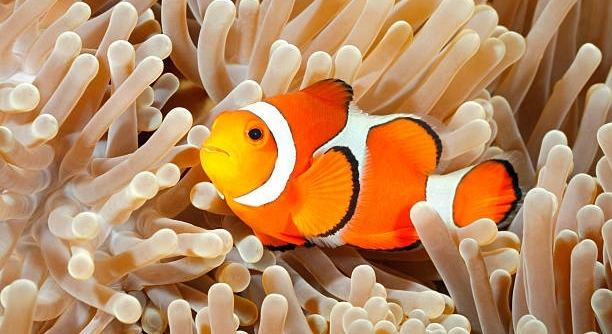
Do you ever find yourself worrying if your clownfish are acting strangely or seem more stressed than usual in their tank?
The main reason clownfish experience stress is due to improper tank conditions and common handling mistakes. These issues affect their health, behavior, and overall well-being, often leading to visible signs of distress.
Understanding what causes stress in clownfish can help you make simple changes that support their health and happiness every day.
Not Enough Hiding Spots
Clownfish need places to feel safe. When their tank doesn’t have enough hiding spots, they feel exposed and stressed. In the wild, they live among sea anemones, which offer shelter and protection. In a home tank, they rely on rocks, coral decorations, or artificial anemones to serve the same purpose. Without these, they can become nervous, show signs of aggression, or constantly swim near the glass. Over time, this behavior may affect their appetite and immune system. Adding multiple hiding spots gives them a sense of security and helps reduce anxiety. It also encourages natural behavior, like pairing or nesting.
A bare tank creates constant stress. Clownfish need structure to feel safe and relaxed in their environment.
Use soft artificial coral, live rock, or reef-safe caves to provide shelter. Make sure each clownfish has access to hiding spaces. When they feel safe, they show more natural, calm behavior and stay healthier overall.
Poor Water Quality
Dirty water quickly leads to stress. Clownfish are sensitive to changes in ammonia, nitrate, and pH levels.
When water quality drops, clownfish can start gasping at the surface, swimming erratically, or developing faded colors. These are signs something is off. Even small imbalances can cause long-term stress and increase the risk of disease. Make sure you’re using a reliable water test kit and checking levels weekly. Ammonia should stay at zero, and nitrates should remain low. Regular water changes are important, especially in smaller tanks. Also, clean your filter media and avoid overfeeding, which can lead to waste buildup. If your clownfish seem less active or stop eating, always check the water first. A clean, stable tank supports better health and more predictable behavior. When their water is right, clownfish thrive and display bright colors, active swimming, and balanced movement throughout the tank.
Sudden Tank Changes
Sudden changes in lighting, temperature, or tank layout can stress clownfish quickly. They rely on routine and become anxious when their environment shifts too fast. Stability helps them feel secure and behave normally.
If you need to make changes, do it slowly. For example, adjust lighting over several days rather than all at once. Sudden temperature shifts from water changes can also cause stress, so match the new water’s temperature carefully. Even moving decorations or changing flow patterns can confuse them and lead to hiding or erratic swimming. Clownfish are creatures of habit, and even small disruptions can cause them to stop eating or become aggressive. Keep notes on any changes you make to track how they react.
A consistent routine helps clownfish feel safe. Feed them at the same time, avoid loud noises around the tank, and keep lighting and temperature steady. This predictability helps reduce anxiety and keeps them healthy.
Incompatible Tank Mates
Aggressive or fast-moving fish can intimidate clownfish and prevent them from feeling comfortable. When chased or bullied, they may hide, stop eating, or become overly defensive. Tank mate selection is important to avoid constant stress.
Avoid pairing clownfish with large, dominant fish or those that claim too much territory. Peaceful, similarly sized tank mates work better. If your clownfish are staying in one corner or refusing to eat, they may be feeling threatened. Observe how fish interact after introducing new species. Rearranging tank decor can sometimes help by breaking up territorial claims. In some cases, you may need to separate incompatible fish. Stress from tank mates builds over time and can lead to weakened immunity or aggression. Giving clownfish space and compatible companions will support their well-being and allow them to behave naturally, interact more, and remain active without fear.
Overfeeding
Too much food pollutes the water and makes clownfish sluggish or bloated. It also encourages harmful bacteria and lowers oxygen levels, both of which add stress. Feed only what they can finish in two minutes.
Leftover food should be removed right away. Uneaten bits settle and break down, raising ammonia and nitrate.
Lack of Mental Stimulation
Clownfish need interaction with their environment to stay active and alert. When a tank lacks variety, they become bored or inactive. Simple enrichment, like rotating decorations or changing water flow slightly, can help. Avoid constant rearranging, but occasional updates keep them curious. Some respond well to feeding puzzles or floating toys.
Improper Tank Size
A tank that’s too small makes clownfish feel trapped. They need room to swim and explore to stay healthy and calm.
FAQ
How can I tell if my clownfish is stressed?
Clownfish show stress through unusual behavior. If they’re hiding more than usual, breathing fast, swimming near the surface, or not eating, those are signs something may be wrong. Faded colors and twitching movements are also signs to watch. Check the tank for changes in water quality, temperature, lighting, or any recent additions that may be bothering them. It’s important to act quickly, as stress can lead to illness if left unaddressed. Watch their behavior closely and compare it to how they usually act on calm days. Even small changes matter to them.
Can clownfish recover from stress?
Yes, clownfish can recover if the stress source is removed quickly. Fixing poor water quality, removing aggressive tank mates, or adding hiding spots can all help. Try to return things to normal and avoid more changes during recovery. Feed them at regular times and keep the tank calm. Sometimes, it may take a few days or even a week for them to act like themselves again. Be patient and observe their habits without interfering too much. If their appetite returns and their colors improve, that’s a good sign they’re doing better.
What’s the best tank size for clownfish?
For a pair of clownfish, a tank that holds at least 20 gallons is ideal. While they’re small, they still need space to swim, establish territory, and avoid stress. In smaller tanks, waste builds up faster and water changes need to be more frequent. If you plan to keep them with other fish or want to add live rock, it’s better to go bigger—around 30 gallons or more. A larger tank also gives more room for proper filtration and stable water conditions. When in doubt, go with the larger option. It helps keep the environment steady and safe.
Are clownfish okay without an anemone?
Yes, clownfish can live comfortably without an anemone. In home tanks, they often host in soft corals or artificial structures. Anemones are more sensitive and harder to care for, especially for beginners. If your clownfish seem content using a rock or a corner of the tank as their territory, there’s no need to add an anemone. Some clownfish may ignore anemones entirely. What matters most is that they have shelter, stable water, and a peaceful tank environment.
Why is my clownfish swimming at the top of the tank?
This behavior often means something is wrong. It could be low oxygen, high ammonia, or temperature issues. Test your water immediately to check levels. Make sure your filter and air stone are working properly. If oxygen is low, improve surface movement with a bubbler or adjust the filter flow. Keep the tank covered if the room is too warm or has rapid temperature swings. Swimming at the surface should not be a regular habit, so try to find the cause and correct it early.
How often should I feed clownfish?
Feed clownfish once or twice per day in small amounts. Only give them what they can finish in about two minutes. Overfeeding causes waste buildup and can upset water balance. If using pellets or flakes, soak them briefly to avoid air buildup in the stomach. You can also rotate their diet with frozen or live foods to give them variety. Be consistent with feeding times. Clownfish do well with routines, and regular feeding helps reduce anxiety.
Do clownfish need lights off at night?
Yes, clownfish need darkness to rest. Lights should be on for around 10–12 hours a day, then off for the rest. Constant light can stress them and disrupt their sleep cycle. Use a timer to keep the lighting schedule consistent. Sudden changes in lighting can startle them, so it helps to dim the lights slowly or use a low “moonlight” setting if possible. Giving them quiet and darkness at night helps them stay healthy and balanced.
Can I keep more than two clownfish together?
It’s best to keep only one pair in most tanks. Clownfish form strong pair bonds, and extra clownfish can trigger aggression. In larger tanks with plenty of space and hiding spots, some aquarists manage small groups, but even then, fights can happen. If you’re just starting out, stick to one or two. Watch their behavior, especially during the first few weeks. If they show signs of fighting or stress, separate them before injury occurs.
Final Thoughts
Caring for clownfish may seem simple at first, but small mistakes can quickly lead to stress. These fish rely on routine, clean water, and a calm environment to stay healthy. When things go off balance, their behavior changes. They may hide more, stop eating, or swim in odd patterns. These are signs that something is wrong. Many of these problems are easy to fix once you know what to look for. Paying attention to small changes in their actions and tank conditions helps prevent bigger issues. Stress not only affects their mood but can also lead to illness if ignored.
Every part of their care matters. Feeding the right amount, using the correct tank size, and choosing peaceful tank mates all help your clownfish stay calm and active. Keeping the water clean and stable is one of the most important steps. Testing water weekly and doing regular water changes should be part of your routine. Also, make sure the tank isn’t too noisy or bright, especially at night. Let them rest in a quiet, dark space. Even giving them safe places to hide can make a big difference in how they feel. These simple choices help reduce their stress and keep their colors bright and their behavior natural.
It’s also important to remember that clownfish are unique and may respond differently to changes. One fish might enjoy exploring, while another might prefer staying in a corner. Get to know your clownfish’s habits and use that knowledge to guide your care. If something changes, think back to what might have caused it—maybe a new tank mate, a shift in temperature, or a change in lighting. Making small improvements based on their needs will go a long way. When clownfish feel safe and supported, they’re more active, eat better, and live longer. In the end, keeping them happy isn’t about fancy equipment or complicated steps—it’s about meeting their basic needs and paying attention.

Hello,
If you enjoy the content that we create, please consider saying a "Thank You!" by leaving a tip.
Every little bit helps us continue crafting quality advice that supports the health, happiness, and well-being of pets around the world, for pets of all shapes, sizes, and species.
We really appreciate the kindness and support that you show us!