
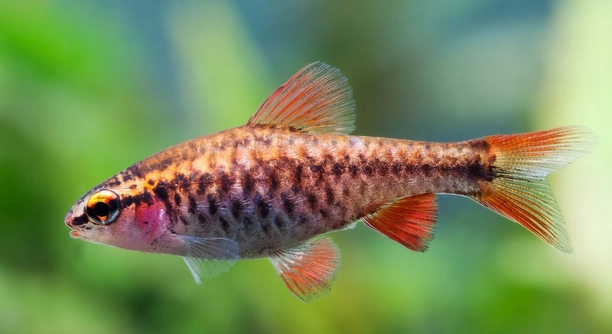
Cherry Barbs are beautiful and peaceful fish, but certain mistakes can easily stress them out. As aquarium enthusiasts, it’s important to be mindful of these mistakes to ensure they thrive. Proper care can make all the difference.
Cherry Barbs are sensitive to water conditions, tank mates, and sudden changes in their environment. Mistakes like poor water quality, overcrowding, and incorrect feeding can quickly cause stress. Being aware of these common pitfalls can help keep them healthy.
Keeping Cherry Barbs stress-free is essential to their well-being. By understanding the common mistakes to avoid, you can provide them with a better life in your aquarium. Let’s go over these mistakes and how to prevent them.
1. Poor Water Quality
Cherry Barbs are very sensitive to their water environment, and poor water quality can stress them out quickly. If the water is too dirty, too acidic, or not properly oxygenated, your Cherry Barbs will show signs of distress. Over time, this can lead to health problems.
To maintain good water quality, regular water changes are necessary. You should test your tank’s pH levels, ammonia, nitrite, and nitrate levels frequently. A filter will help keep the water clean, but you must still perform partial water changes at least once a week.
When water quality is off, Cherry Barbs can become lethargic, have faded colors, or even develop diseases. Consistent monitoring will ensure your fish stay healthy and vibrant. Always clean the tank decorations and remove any uneaten food to prevent buildup. Keeping the water clean is one of the easiest ways to reduce stress and promote a thriving environment for Cherry Barbs.
2. Incompatible Tank Mates
Choosing the right tank mates is essential for the well-being of Cherry Barbs. Aggressive or larger fish can stress them out, as Cherry Barbs prefer peaceful environments.
Make sure to select fish that are calm and similar in size to avoid bullying. Cherry Barbs are peaceful, so adding fish with the same temperament will lead to fewer stress-related issues.
3. Overfeeding
Overfeeding is a common mistake that stresses Cherry Barbs. Excess food can pollute the water and cause unhealthy spikes in ammonia. This not only harms the water quality but also creates an environment where stress is inevitable.
Be sure to feed your Cherry Barbs small amounts that they can consume within a few minutes. This prevents uneaten food from sinking to the bottom and decaying. Regularly remove any leftover food after each feeding session. Overfeeding can also lead to obesity and other health issues in your fish, further contributing to their stress.
Instead of feeding them large portions, opt for more frequent, smaller meals. This ensures they get the nutrients they need while also keeping the water clean. By sticking to a proper feeding schedule, you avoid both stress and water pollution, creating a healthier habitat for your Cherry Barbs.
4. Temperature Fluctuations
Temperature fluctuations can cause Cherry Barbs unnecessary stress. These fish prefer stable water temperatures within a certain range, and sudden changes can impact their immune systems, leading to sickness.
Using a reliable aquarium heater is the best way to maintain a consistent water temperature. Cherry Barbs typically do well in water temperatures between 72°F and 80°F. Any drastic changes, whether too hot or too cold, can weaken their resistance to diseases and cause them to become lethargic. Additionally, erratic temperature swings make it harder for the fish to digest food, which affects their overall health.
To avoid temperature stress, ensure that your aquarium heater is working properly and double-check the water temperature regularly. Maintaining stable conditions will help your Cherry Barbs feel more secure, encouraging active and healthy behavior.
5. Insufficient Hiding Spaces
Cherry Barbs feel stressed in tanks that lack hiding spaces. These fish, though peaceful, still need places to retreat when they feel threatened or overwhelmed.
Adding plants, rocks, or caves to the tank provides Cherry Barbs with areas to hide. This gives them the opportunity to de-stress and feel secure in their environment.
Providing hiding spots not only reduces stress but also mimics their natural habitat. With more places to retreat, your Cherry Barbs will feel safer and more comfortable. This simple change can help improve their overall well-being and encourage natural behaviors.
6. Bright, Constant Lighting
Bright or constantly-on lights can stress out Cherry Barbs. They prefer more subdued lighting that mimics the natural day-night cycle.
Using a timer to regulate light periods can help prevent unnecessary stress. Consider a dimmer light or light shades to create a more calming environment.
FAQ
1. What is the ideal water temperature for Cherry Barbs?
Cherry Barbs prefer water temperatures between 72°F and 80°F. Keeping the temperature in this range helps ensure they stay healthy and active. If the water gets too cold or too warm, it can lead to stress, making them more susceptible to illness. A reliable heater will help maintain consistent temperatures.
2. Can Cherry Barbs live with other fish?
Yes, Cherry Barbs are peaceful fish and can live with other non-aggressive species. However, avoid pairing them with larger or more aggressive fish. Tank mates like tetras, small gouramis, and peaceful catfish are great options. Ensuring compatibility in size and temperament will reduce stress for your Cherry Barbs.
3. How often should I feed my Cherry Barbs?
Cherry Barbs should be fed small amounts twice a day. It’s important not to overfeed them as excess food can pollute the water and lead to stress. Only provide as much food as they can consume in a few minutes. Uneaten food should be removed promptly to maintain water quality.
4. What type of filter should I use for Cherry Barbs?
A filter with moderate flow is best for Cherry Barbs. They don’t do well with strong currents, so choose a filter that provides gentle water movement. A sponge filter or an internal filter with adjustable flow works well. It’s important to ensure the filter maintains clean water while not causing stress with too much current.
5. How can I tell if my Cherry Barbs are stressed?
Stress in Cherry Barbs can be seen in several ways. They may become lethargic, swim erratically, or hide more than usual. Their colors might fade, and they could stop eating or display unusual behavior. If these signs appear, it’s crucial to identify the cause and correct it quickly.
6. Are Cherry Barbs easy to care for?
Cherry Barbs are relatively easy to care for, making them a great choice for beginners. They don’t require complex setups and are adaptable to a range of water conditions. However, providing them with stable water quality, compatible tank mates, and proper feeding routines is key to ensuring their health and happiness.
7. Can Cherry Barbs breed in a community tank?
Yes, Cherry Barbs can breed in a community tank. However, if you want to encourage breeding, provide them with a separate breeding area like a spawning mop or fine-leaved plants. Once the eggs are laid, remove the parents to prevent them from eating the eggs. Ensure that the water conditions are optimal for breeding.
8. How long do Cherry Barbs live?
Cherry Barbs typically live for 3 to 5 years when given proper care. Factors like water quality, diet, and tank environment can influence their lifespan. Keeping the conditions stable and avoiding stress can help your Cherry Barbs live a long, healthy life.
9. Can Cherry Barbs tolerate lower water temperatures?
Cherry Barbs can tolerate slightly lower temperatures but should not be exposed to cold water for long periods. If the temperature drops below 70°F, their metabolism slows down, and they can become stressed. A consistent range of 72°F to 80°F is ideal for their well-being.
10. How do I know if my Cherry Barbs are healthy?
Healthy Cherry Barbs are active, have bright colors, and swim gracefully in the aquarium. They should eat regularly and exhibit natural behaviors like exploring the tank or interacting with other fish. If they appear sluggish, have faded colors, or refuse food, it might indicate a health problem that needs attention.
11. Should I use live plants in my Cherry Barb tank?
Live plants are beneficial for Cherry Barbs. Not only do they provide hiding spots and a more natural environment, but they also help maintain good water quality by absorbing excess nutrients. Plants like Java moss, Anubias, and Java fern are excellent choices that provide cover while being easy to care for.
12. Do Cherry Barbs need a lot of space?
Cherry Barbs do best in tanks with enough space to swim freely. A minimum tank size of 20 gallons is recommended for a small group. More space allows them to feel secure and reduces stress. Overcrowding can lead to aggressive behavior and poor water quality, both of which stress the fish.
13. How do I prevent diseases in Cherry Barbs?
To prevent diseases, maintain stable water conditions and avoid sudden temperature changes. Regular water changes, proper filtration, and monitoring the tank for any signs of disease are essential. Quarantining new fish before adding them to the tank will help prevent the introduction of harmful pathogens to your Cherry Barbs.
14. Can Cherry Barbs live with shrimp?
Yes, Cherry Barbs can live with shrimp as long as the shrimp are not too small. They are peaceful fish and won’t actively hunt shrimp, but smaller species might be at risk, especially if the Cherry Barbs are very hungry. Larger or adult shrimp should be fine with Cherry Barbs in most cases.
15. What is the best way to acclimate new Cherry Barbs to my tank?
Acclimating new Cherry Barbs to your tank is essential to avoid shock. Float the bag with the fish in your aquarium for 15 to 20 minutes to let the water temperature equalize. Gradually mix small amounts of your tank water into the bag every 5 minutes. Once the water conditions in the bag match your tank, gently release the fish.
Final Thoughts
Caring for Cherry Barbs is relatively straightforward, but it requires attention to their specific needs. These fish are sensitive to water quality, temperature fluctuations, and other factors that can cause stress. By maintaining proper water conditions, ensuring compatible tank mates, and feeding them appropriately, you can create an environment where they feel secure and thrive. It’s essential to monitor water quality regularly and make adjustments when necessary to avoid common mistakes that might lead to stress.
When choosing tank mates, it’s important to remember that Cherry Barbs are peaceful fish. They do well with other non-aggressive species that are similar in size. Having the right companions helps to create a more relaxed atmosphere for your Cherry Barbs. Additionally, providing hiding spaces, plants, and gentle lighting will reduce stress, as these factors mimic their natural environment. By focusing on these key aspects, you can ensure your fish feel safe and are less likely to experience stress-related health issues.
Overall, keeping Cherry Barbs healthy and stress-free is about consistency. Regularly checking their environment, keeping an eye on their behavior, and ensuring they have the space and care they need will help them live a long and happy life. The most important step is understanding their needs and making small adjustments to their care routine to avoid mistakes. By doing this, you’ll create a positive environment for your Cherry Barbs and enjoy watching them thrive.

Hello,
If you enjoy the content that we create, please consider saying a "Thank You!" by leaving a tip.
Every little bit helps us continue crafting quality advice that supports the health, happiness, and well-being of pets around the world, for pets of all shapes, sizes, and species.
We really appreciate the kindness and support that you show us!