
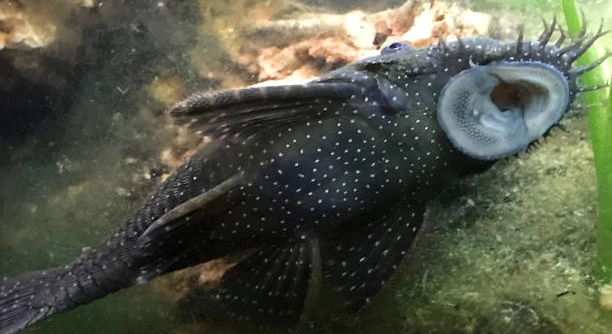
Plecostomus are popular fish in aquariums due to their ability to keep tanks clean. However, some owners notice their plecos aren’t growing as expected. Several factors can slow their growth, which we’ll explore here.
Several mistakes can hinder plecostomus growth, including poor water quality, improper diet, inadequate tank size, and lack of proper care. These factors can stress the fish, making it difficult for them to grow at their full potential.
By identifying these issues early, you can help your plecostomus thrive. In the following sections, we’ll go over common mistakes and solutions to ensure your fish grow healthy and strong.
Poor Water Quality
One of the most significant factors that can slow plecostomus growth is poor water quality. These fish are sensitive to changes in their environment, and if the water parameters are not ideal, it can stunt their growth. High levels of ammonia, nitrites, or nitrates in the water can cause stress and harm their health. Additionally, temperature fluctuations can negatively impact their growth, as plecos prefer stable conditions. Regular water changes and maintaining proper filtration are essential to ensure the tank is clean and healthy for your plecostomus.
Keeping your tank water clean is essential for the growth of your pleco. Regular water testing can help you monitor the levels of ammonia, nitrites, and nitrates to avoid harmful buildup.
To maintain a stable and clean environment, perform routine water changes every one to two weeks, depending on tank size. Investing in a good filtration system is crucial to keep the water free from harmful substances. You should also monitor the temperature regularly to ensure it stays within the ideal range, typically between 74°F and 80°F. Clean the tank’s decorations and substrate to prevent buildup. By staying on top of water quality, you create a healthier environment that supports the growth of your plecostomus.
Inadequate Diet
A balanced diet is crucial for plecostomus growth. Offering them the right type of food helps them develop properly. Plecos are herbivores but also need some protein in their diet. Feeding them only algae or plant matter can lead to nutritional deficiencies and hinder their growth.
Offer a variety of food, including sinking pellets, blanched vegetables, and occasional protein-rich foods like worms or shrimp. This variety ensures they get all the nutrients they need to thrive.
Incorrect Tank Size
Plecostomus can grow quite large, and they need plenty of space to develop properly. Keeping them in a tank that is too small can stunt their growth. A crowded environment causes stress and limits their ability to move freely, impacting their overall health and size.
A 30-gallon tank is the minimum size for a single plecostomus, but larger tanks are always better. In a small tank, water quality can deteriorate faster, which also affects their growth. If possible, upgrade to a larger tank as your pleco grows to give it the space it needs.
With enough space to swim and explore, your pleco will grow much faster and healthier. Make sure the tank is equipped with strong filtration to keep up with the waste produced by the fish, as larger tanks require better filtration to maintain water quality. Remember, plecos like to hide, so adding decorations and caves for them to retreat into will help them feel secure in their environment.
Lack of Proper Tank Mates
Plecostomus are generally peaceful but can become stressed by aggressive tank mates. Fish that constantly chase or harass them can cause anxiety, which negatively impacts their growth. It’s important to choose tank mates carefully to avoid aggression.
Make sure to choose fish that are calm and won’t compete with your pleco for space or resources. Fish like tetras, rasboras, or peaceful cichlids work well with plecos. Avoid keeping them with overly territorial or fast-swimming species that might stress them out.
Plecos can also be territorial with other bottom dwellers, so make sure they have enough room to claim their own space. If the tank is overcrowded or filled with aggressive fish, your plecostomus may stop eating, hide more, or even stop growing altogether. Choose tank mates that will coexist peacefully to promote your pleco’s growth and health.
Poor Lighting Conditions
Plecostomus thrive in well-lit environments. Insufficient lighting can affect their natural behavior and overall health. Without proper light, plecos may not feel motivated to forage or explore, which can slow their growth.
Ensure your aquarium has appropriate lighting that mimics natural conditions. A light cycle of 10 to 12 hours a day is ideal. Proper lighting not only supports your pleco’s growth but also helps maintain the health of live plants and algae that they feed on.
Adding a high-quality aquarium light will also help with plant growth, creating a more balanced ecosystem for your plecostomus. Regular light exposure helps your fish maintain a natural rhythm, encouraging feeding and activity, which are essential for growth.
Overfeeding or Underfeeding
Overfeeding plecos can cause them to become sluggish, which may slow their growth. On the other hand, underfeeding leaves them without the necessary nutrients to thrive. Finding the right balance is key to their development.
Feed your pleco small amounts of food, 2 to 3 times a day. Remove any uneaten food after a few hours to prevent water quality issues. This ensures your fish get enough to eat without causing excessive waste that could harm their growth.
Stressful Tank Environment
A stressful environment, whether caused by sudden water changes or loud noises, can negatively impact plecostomus growth. Constant stress weakens their immune system and stunts their development.
Provide a peaceful environment with minimal disturbances. Avoid tapping on the glass or making sudden movements around the tank. Keep the tank in a quiet, stable area and reduce any stressors that could make your pleco feel threatened.
FAQ
How often should I feed my plecostomus?
Plecostomus need to be fed regularly, but not too much. Overfeeding can cause water quality issues and harm your fish. Feed your pleco 2 to 3 times a day, offering small portions they can consume within a few hours. If any food remains, remove it to prevent the tank from becoming dirty. Plecos are bottom dwellers and will scavenge for leftover food, so make sure they have access to sinking pellets, algae wafers, and fresh vegetables like zucchini or cucumber. By feeding small portions at regular intervals, you help keep your pleco healthy and promote proper growth.
What is the best temperature for my plecostomus?
Plecos thrive in a temperature range of 74°F to 80°F (23°C to 27°C). If the water temperature fluctuates too much, it can stress the fish, which could stunt their growth. To maintain a consistent temperature, consider using an aquarium heater, especially if the room temperature changes throughout the day. It’s also important to use a thermometer to regularly check the water temperature to ensure it stays within the ideal range. Stable conditions help keep your plecostomus healthy and growing at the right pace.
Can I keep multiple plecostomus together?
It is possible to keep more than one plecostomus in a tank, but you need to make sure the tank is large enough. Plecos are territorial creatures, especially when they mature. If you’re planning on keeping multiple plecos, make sure to have a tank that’s large enough to accommodate them, typically 75 gallons or more, depending on the number of plecos. Additionally, adding plenty of hiding spots like caves or plants will help them claim their own territory and reduce the chance of aggression. If the plecos are of different sizes, it can also help prevent one from bullying the other.
Why isn’t my plecostomus growing?
If your plecostomus isn’t growing as expected, it could be due to several factors, such as poor water quality, incorrect diet, or a small tank. Start by ensuring that the water parameters are within the ideal range—ammonia, nitrites, and nitrates should be at safe levels. Next, check that your pleco is eating a well-balanced diet, including plant matter, sinking pellets, and occasional protein. Make sure your pleco has enough space to swim and that the tank isn’t overcrowded with aggressive tank mates. Stressful conditions can also slow growth, so keep the tank environment peaceful and stable.
How can I improve the water quality in my plecostomus tank?
Good water quality is essential for the health and growth of your plecostomus. Start by performing regular water changes—at least 25% every one to two weeks, depending on the size of the tank and the number of fish. Make sure your filter is properly sized for the tank and clean it regularly to keep the water clear and free from harmful waste. Testing the water for ammonia, nitrites, and nitrates is also important to ensure the levels are safe for your pleco. Using live plants can help maintain water quality by absorbing excess nutrients. Additionally, avoid overfeeding, as uneaten food can lead to water contamination.
Do plecostomus need a lot of hiding places?
Yes, plecostomus feel more secure when they have plenty of hiding spots in their tank. These fish are nocturnal and tend to be more active during the night. Providing caves, plants, and driftwood will allow your pleco to rest and retreat when it needs a break from the activity in the tank. A pleco that feels safe is less likely to be stressed, which supports healthy growth. Adding these hiding spots also mimics their natural environment and gives them space to establish their own territories.
What size tank is best for a plecostomus?
A plecostomus needs a larger tank to grow properly. The minimum tank size for a single pleco is 30 gallons, but larger tanks are always better. Since plecos can grow to over a foot in length, a bigger tank allows them enough space to swim freely and thrive. A 75-gallon tank is ideal if you plan to keep multiple plecos or have other large fish in the tank. Larger tanks are also easier to maintain in terms of water quality, and they help prevent overcrowding, which can lead to stress and hinder growth.
Can I keep plecostomus with other fish?
Plecostomus are generally peaceful, but they can become stressed or territorial, especially in smaller tanks. It’s important to choose tank mates that are calm and won’t compete with them for space or food. Some good tank mates for plecos include peaceful fish like tetras, guppies, or rasboras. Avoid keeping plecos with aggressive or fast-swimming fish, as they may cause stress or steal food from the pleco. Keep in mind that plecos are bottom dwellers, so they prefer having their own space to forage for food. Having plenty of hiding spots in the tank will help them feel secure.
How fast do plecostomus grow?
Plecostomus growth can vary depending on factors like water quality, diet, and tank size. Typically, a pleco will grow around 1 inch per month during its first year of life. After that, the growth rate slows down, but it can still continue to grow for several years, reaching a maximum size of 12 to 15 inches or more. Providing the right conditions, such as clean water, proper nutrition, and enough space, will help support the pleco’s growth rate. Keep in mind that stressed or unhealthy plecos may grow slower than those in optimal conditions.
What is the best way to clean my plecostomus tank?
Cleaning your plecostomus tank is an important part of maintaining good water quality. Start by performing regular water changes, aiming for 25% of the tank volume every one to two weeks. While changing the water, vacuum the substrate to remove any uneaten food or waste. Clean the filter monthly to ensure it’s working efficiently, but avoid cleaning it all at once to maintain beneficial bacteria. Also, clean any decorations or tank surfaces with a sponge or algae scraper. Be sure to avoid using any harsh chemicals that could harm your fish. Regular maintenance will keep the tank clean and provide a healthy environment for your pleco.
Final Thoughts
Ensuring that your plecostomus grows to its full potential requires attention to several key factors. Providing clean water, a balanced diet, and a spacious tank are essential for its overall health. Without these basics, your pleco may struggle to grow properly. Regular water changes, proper filtration, and checking water quality are vital to keeping your pleco’s environment stable. If your pleco’s water conditions are poor, growth can be stunted or slowed down. Make sure to monitor ammonia, nitrite, and nitrate levels frequently to avoid harmful buildups that could harm your fish.
Along with water quality, the right food is crucial for plecostomus growth. They need a variety of nutrients, including both plant matter and protein. Sinking pellets, algae wafers, and occasional fresh vegetables like zucchini or spinach will help ensure your pleco gets the nutrition it needs. Overfeeding can lead to water quality issues, so it’s important to feed small portions throughout the day and remove any uneaten food. Also, pay attention to tank mates. If your pleco shares the tank with aggressive or overly active fish, it can cause unnecessary stress, which in turn can affect its health and growth rate.
Lastly, remember that plecostomus need enough space to grow. A tank that’s too small or overcrowded can lead to stress and limit their growth potential. The minimum size for one pleco is around 30 gallons, but larger tanks are always better, especially if you plan to keep multiple fish. Providing hiding spots with caves or plants can also make your pleco feel secure, reducing stress. When the environment is right—clean water, proper food, a good tank size, and peaceful companions—your pleco will have the best chance to thrive and grow at its full potential.

Hello,
If you enjoy the content that we create, please consider saying a "Thank You!" by leaving a tip.
Every little bit helps us continue crafting quality advice that supports the health, happiness, and well-being of pets around the world, for pets of all shapes, sizes, and species.
We really appreciate the kindness and support that you show us!