
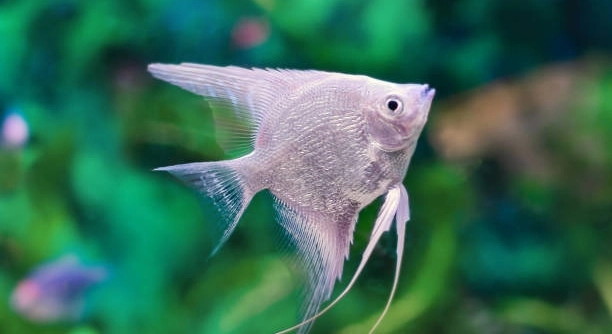
Angelfish are beautiful, graceful creatures that many aquarium enthusiasts adore. However, they require careful attention and proper care to thrive. When their needs aren’t met, their lifespan can suffer. Understanding these factors is crucial for their health.
Several common mistakes can shorten the lifespan of angelfish. Issues such as poor water quality, improper tank size, inadequate diet, and stress can lead to health problems. These mistakes can eventually shorten their lifespan and negatively affect their well-being.
Avoiding these mistakes will help your angelfish live a longer, healthier life. Understanding the proper care and maintenance is key to ensuring they flourish in your aquarium. Keep reading to learn about the most common errors and how to prevent them.
1. Poor Water Quality
Maintaining clean water is crucial for your angelfish’s health. Water that’s too dirty or not properly filtered can introduce harmful toxins, leading to stress, weakened immunity, and even death. Ammonia and nitrite levels should always be checked regularly, and water changes should be frequent. Inadequate filtration can also cause the water to become murky, affecting oxygen levels and making it harder for your fish to breathe. Always ensure your tank has the proper filtration system, and test the water’s pH, hardness, and temperature before introducing or feeding your fish.
Water changes are essential to preventing toxic buildup in your tank. Regular testing allows you to adjust conditions promptly.
By testing water quality often and investing in a proper filtration system, you provide a cleaner and healthier environment for your angelfish. A good filter helps to remove waste products like uneaten food and fish waste, reducing the chances of illness. Over time, failing to maintain water quality will contribute to the deterioration of your fish’s health. A water conditioner can also help remove chlorine or chloramine if your tap water contains those harmful chemicals.
2. Incorrect Tank Size
Choosing the right tank size is critical for your angelfish’s well-being. A tank that is too small will not provide the necessary space for swimming and can increase stress levels. Angelfish grow fairly large, so they need room to move around freely. A small tank limits oxygen flow and creates an unstable environment. A 20-gallon tank is a good starting size, but larger is always better to ensure your fish can thrive.
A cramped tank is likely to lead to unhealthy fish. Size matters when it comes to creating a stable, comfortable habitat.
To help your angelfish live longer and healthier, it’s essential to provide an appropriately sized tank. Not only will this improve oxygen exchange and water circulation, but it will also reduce territorial disputes if you have multiple fish. Angelfish are semi-aggressive, and having enough space can help minimize conflict. A larger tank also allows for proper filtration systems to work efficiently, supporting better water quality. Finally, when your fish have room to swim, they’re less stressed and more likely to thrive over time.
3. Inconsistent Diet
Feeding your angelfish a varied and balanced diet is essential for their health. Offering the same food day after day can lead to malnutrition. Angelfish need a mix of high-quality flakes, pellets, and occasional live or frozen foods like brine shrimp or bloodworms. This variety ensures they get all the necessary nutrients for strong immune systems and vibrant colors. Overfeeding can also be harmful, so be careful not to give them too much food at once.
A poor diet can lead to nutritional deficiencies and even organ failure. Feeding them the right food in the correct amounts is key to a long life.
Inconsistent feeding practices, like neglecting to offer varied food or overfeeding, can lead to long-term health problems. A high-quality fish food should be rich in proteins and vitamins to support their natural growth. Too much fat or carbohydrates can cause digestive problems or obesity. Always remove any uneaten food from the tank to prevent it from decomposing and polluting the water. Additionally, feeding fish on a regular schedule helps to maintain their internal clock, reducing stress and promoting better overall health. Proper feeding habits will ensure your angelfish are both happy and healthy.
4. Stressful Environment
Angelfish can be highly sensitive to stress, which shortens their lifespan. Stress can result from overcrowding, sudden changes in water temperature, or the presence of aggressive tankmates. Angelfish need a calm and stable environment to thrive, so it’s important to set up your tank with the right conditions. Ensuring the temperature is steady, offering hiding spots, and choosing compatible tankmates all help to reduce stress levels.
A stressful environment impacts both their physical and mental health, leading to weakened immune systems.
Too much stress weakens an angelfish’s immune system, making it more susceptible to diseases like ich or fin rot. A consistent water temperature of 76-82°F (24-28°C) is ideal, as extreme fluctuations can cause illness. Avoid placing your angelfish with aggressive species or those that might bully them. If you notice signs of stress, such as faded colors or erratic swimming, it’s important to address the cause immediately. Tank decorations, such as plants and caves, can provide comfort and refuge. Reducing stress is one of the most effective ways to ensure your fish remain healthy and live a full lifespan.
5. Overcrowding the Tank
Overcrowding is a common mistake that harms angelfish. Too many fish in one tank leads to competition for space, food, and oxygen. This puts a strain on the filtration system and causes poor water quality. It also increases the risk of stress and aggression among the fish.
It’s important to always keep the tank’s capacity in mind when adding fish. A general rule is one inch of fish per gallon of water, but angelfish require more space due to their size.
Angelfish do best in a tank with just a few other fish. Overcrowding increases the chance of water contamination, making it harder to maintain good quality. Additionally, when angelfish are confined to a small area, they tend to become stressed, which can negatively affect their health. Space allows for better oxygen circulation, reducing the likelihood of disease and creating a more peaceful environment for all tank residents. A well-planned tank setup, with plenty of space, will keep your fish healthy and stress-free.
6. Incompatible Tankmates
Choosing the right tankmates for angelfish is essential. They can become aggressive when housed with fish that invade their space or challenge their territory. It’s best to avoid keeping them with very small fish that may be seen as food or with overly aggressive species that could harass them.
Avoid mixing angelfish with fish that are too aggressive or too small.
Ideal tankmates for angelfish include peaceful species like tetras, gouramis, or corydoras catfish. These species won’t compete with angelfish for space or food, and they usually won’t disturb their territory. Always research the temperaments of potential tankmates before introducing them. A peaceful, well-planned tank will help reduce stress for your angelfish, improving their chances of living a long, healthy life. Keeping angelfish with compatible species ensures they remain calm and free of unnecessary stress.
FAQ
How often should I change the water in my angelfish tank?
Water changes should be done regularly to maintain good water quality. For a tank with a filtration system, changing 10-15% of the water every week is a good rule of thumb. For tanks with heavy stocking or larger fish, you may need to change more frequently. If your water quality tests show high levels of ammonia, nitrites, or nitrates, it’s important to change the water right away to prevent harm to your angelfish. Regular water changes help remove toxins, reduce algae growth, and keep your angelfish healthy.
Can I use tap water for my angelfish tank?
Yes, you can use tap water, but it needs to be treated before adding it to your tank. Tap water often contains chlorine or chloramine, which are harmful to fish. Use a water conditioner to neutralize these chemicals. It’s also important to check the pH, hardness, and temperature of your tap water to ensure they are suitable for angelfish. Some tap water may have extreme pH or hardness levels, so testing is essential to ensure your angelfish will thrive.
What temperature should my angelfish tank be?
Angelfish prefer a stable water temperature between 76-82°F (24-28°C). Maintaining a consistent temperature is crucial for their health. Sudden fluctuations can cause stress and weaken their immune system, making them more vulnerable to diseases. Invest in a reliable heater and thermometer to keep the temperature stable. Make sure your tank is not placed near windows, vents, or areas with direct sunlight, as this could cause temperature swings.
How many angelfish can I keep in a tank?
Angelfish require ample space, so it’s important to not overcrowd the tank. For a pair of angelfish, a 20-gallon tank is a minimum, though larger is always better. If you plan to keep more than two, you should provide at least 10 additional gallons for each extra fish. Keep in mind that angelfish can grow quite large, so always factor in their adult size when determining tank capacity. Overcrowding leads to poor water quality and stress, which can harm your fish.
Can angelfish live with other species of fish?
Yes, angelfish can live with other peaceful fish, but it’s important to choose compatible tankmates. Avoid keeping them with very small fish that may be seen as food, or with overly aggressive species. Peaceful fish such as tetras, corydoras catfish, and other similarly sized, non-aggressive species can coexist with angelfish. Be cautious with species that could outcompete angelfish for food or space, as this can increase stress. Always monitor interactions to ensure everyone in the tank is getting along.
What should I feed my angelfish?
Angelfish are omnivores and thrive on a varied diet. You should feed them a mix of high-quality flakes or pellets, along with occasional treats like brine shrimp, bloodworms, or daphnia. This mix ensures they get all the nutrients they need to stay healthy. Feed small portions two to three times a day, removing any uneaten food after a few minutes to prevent water contamination. Avoid overfeeding, as this can lead to obesity and poor water quality.
How can I tell if my angelfish is sick?
Sick angelfish often show signs like faded colors, lethargy, loss of appetite, or abnormal swimming behavior (such as staying at the surface or bottom). They may also develop white spots, lesions, or abnormal growths on their body. If you notice any of these symptoms, it’s important to act quickly. Check the water quality, ensure the tank is not overcrowded, and separate the sick fish from the others to prevent the spread of disease. If symptoms persist, consider consulting a vet or a fish expert for proper diagnosis and treatment.
Why is my angelfish hiding?
Angelfish may hide when they are stressed, sick, or feel threatened by tankmates. Stress can come from environmental changes, such as fluctuations in water quality or temperature. Poor water conditions or the presence of aggressive fish can also cause hiding. If your angelfish hides frequently, check the water quality, ensure they have plenty of hiding spots, and look for any signs of aggression or illness from other fish. Angelfish are territorial, so ensuring a peaceful environment is key to reducing hiding behavior.
How do I breed angelfish?
Breeding angelfish requires specific conditions. First, ensure you have a pair of healthy angelfish. Provide a separate breeding tank with clean water and stable temperature (76-82°F). A flat surface, such as a rock or breeding cone, should be available for the female to lay eggs on. Both parents typically care for the eggs and fry, guarding them from other fish. Once the eggs hatch, feed the fry small, frequent meals of baby brine shrimp or specialized fry food. Monitor the parents’ behavior, as they may become aggressive toward other fish during the breeding period.
How long do angelfish live?
Angelfish can live between 10-15 years if provided with proper care. Their lifespan depends on factors such as water quality, tank size, diet, and stress levels. By avoiding common mistakes and maintaining a stable, clean environment, your angelfish can enjoy a long, healthy life. Regular maintenance, good feeding habits, and appropriate tankmates will help them thrive and live to their full potential. The healthier the environment, the longer your angelfish will live.
Final Thoughts
Taking care of angelfish requires attention to detail, but with the right approach, they can thrive in your aquarium for many years. It’s important to focus on key areas such as water quality, tank size, diet, and tankmates. Regular water changes and proper filtration are vital for keeping the tank environment clean and safe. Angelfish are sensitive to water conditions, so maintaining stable temperatures and checking for harmful toxins like ammonia and nitrites will help ensure their well-being. By keeping the tank clean and ensuring it is appropriately sized, you give your angelfish the space they need to swim freely, which is crucial for their physical and mental health.
Diet plays a major role in the health and longevity of your angelfish. Providing a balanced, varied diet will support their immune system and growth. It’s best to feed them high-quality flakes or pellets and supplement with occasional treats like live or frozen foods. Avoid overfeeding, as this can lead to water quality issues and health problems like obesity. A regular feeding schedule, along with portion control, will help keep your angelfish in top condition. By monitoring their diet closely and keeping the tank clean, you reduce the risks of health issues that can shorten their lifespan.
Lastly, reducing stress is key to ensuring your angelfish live a long, healthy life. Stress can come from overcrowding, aggressive tankmates, or environmental changes. It’s important to choose compatible fish and ensure the tank is large enough to provide each fish with enough space. Hiding spots, plants, and decorations can help angelfish feel secure in their environment. Regularly observing your fish for signs of stress, illness, or aggression allows you to act quickly if any issues arise. A peaceful, stable environment with the right care will help your angelfish live their best, healthiest life.

Hello,
If you enjoy the content that we create, please consider saying a "Thank You!" by leaving a tip.
Every little bit helps us continue crafting quality advice that supports the health, happiness, and well-being of pets around the world, for pets of all shapes, sizes, and species.
We really appreciate the kindness and support that you show us!