
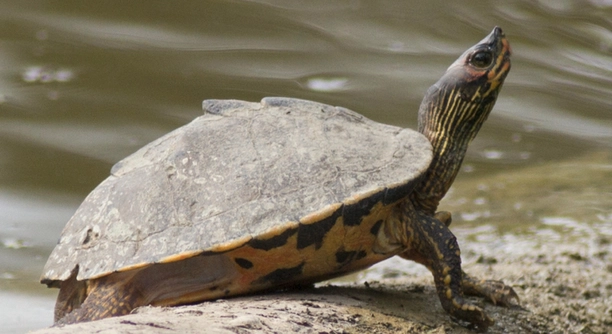
An Indian Roofed Tortoise can live a long, healthy life when given the right care. Unfortunately, certain mistakes can shorten its lifespan, affecting its well-being. Understanding these common errors is essential for every tortoise owner.
Mistakes such as improper diet, lack of proper lighting, and unsuitable habitat conditions can significantly impact your tortoise’s lifespan. Ensuring proper care requires attention to environmental factors, diet, and regular health checks. These steps can prolong your tortoise’s life.
Taking the right steps now can help prevent unnecessary issues. Understanding these mistakes will guide you in providing the best care for your tortoise.
Incorrect Diet and Feeding Habits
A poor diet is one of the most common reasons for an Indian Roofed Tortoise’s shortened lifespan. Feeding it too much protein or offering foods high in fat can lead to health issues. Tortoises need a balanced diet, mainly consisting of leafy greens, grasses, and vegetables. High-protein foods such as meat or dairy should be avoided. If a tortoise consistently eats improper food, it can suffer from obesity, kidney problems, and other health complications that affect its life expectancy. Proper hydration is also crucial, as dehydration can cause serious health issues.
To ensure a balanced diet, avoid overfeeding and choose a variety of vegetables. Fresh, clean water should always be available.
A well-balanced diet improves digestion, supports immune health, and increases the tortoise’s chances of living a long life. Regularly adjusting its diet based on age and size is essential. Avoid processed or commercial pet foods. Stick to natural, fresh ingredients for the best outcome.
Improper Lighting and Temperature
Lighting and temperature play a major role in your tortoise’s health.
Tortoises need proper UVB light for vitamin D3 synthesis and calcium absorption. Without sufficient UVB light, they can develop metabolic bone disease. The habitat temperature should also mimic their natural environment. Too hot or too cold conditions stress the tortoise, affecting its immune system. Proper lighting, heat lamps, and a temperature gradient are necessary to keep your tortoise comfortable and healthy.
Inadequate Space and Habitat
An Indian Roofed Tortoise requires ample space to roam and explore. A cramped enclosure can lead to stress and hinder natural behaviors, which affects its well-being and lifespan. The size of the enclosure should increase with the tortoise’s growth.
Providing a spacious habitat is essential for exercise and mental stimulation. Tortoises are active creatures that need room to move freely. A small, crowded environment can lead to physical problems such as shell deformities, and it can also cause behavioral issues.
The substrate in the habitat should be appropriate for burrowing and foraging. Ensure the area has both dry and humid spots. The enclosure should also be easy to clean and free of hazards that could cause injury. Proper space reduces stress and promotes better health.
Lack of Social Interaction
Indian Roofed Tortoises are solitary creatures, but they still need attention and interaction. Lack of interaction with their owners or improper handling can lead to stress.
Although they do not need constant companionship, tortoises thrive when given some form of regular interaction. This could be in the form of feeding time, occasional handling, or offering enrichment items. Tortoises can become fearful and withdrawn if ignored or mishandled, which can affect their health. Regular check-ups and observations are also part of the process.
Ensuring your tortoise has a stimulating environment with objects to interact with is important. Items such as hides or toys provide both mental and physical stimulation. Keeping them engaged prevents boredom and helps reduce stress.
Overexposure to Stressful Environments
Constant stress can significantly shorten a tortoise’s lifespan. Loud noises, sudden temperature changes, or frequent handling can cause stress that affects its health. Keeping the environment calm and stable is crucial for its well-being.
Stress is often caused by environmental factors that the tortoise cannot control. Regular handling should be minimized, and any sudden changes to the habitat should be avoided.
Poor Hygiene and Unclean Living Conditions
A dirty enclosure can lead to infections and health problems. Ensure the living area is cleaned regularly, with waste removed daily to prevent the spread of bacteria.
Tortoises require a clean and sanitary environment to thrive. Fecal matter and uneaten food should be removed to maintain hygiene. The substrate should be refreshed regularly to avoid mold and bacteria buildup, ensuring a healthy habitat.
FAQ
How often should I feed my Indian Roofed Tortoise?
Feeding frequency depends on age and size. Young tortoises require daily feedings, while adults can be fed every other day. A varied diet of leafy greens, vegetables, and some fruit is ideal. Offering fresh water daily is also essential for hydration and overall health.
Can my Indian Roofed Tortoise live outside?
Yes, your tortoise can live outdoors if the climate is suitable. Ensure the area is secure and free from predators. The enclosure should provide both shaded and sunny areas, as well as areas to hide and burrow. Regularly monitor temperature and humidity levels to prevent heat stress or dehydration.
What is the ideal temperature for an Indian Roofed Tortoise?
The daytime temperature should range from 80°F to 85°F (27°C to 29°C), with a basking spot reaching up to 95°F (35°C). At night, temperatures should drop to 70°F (21°C) to 75°F (24°C). Ensure there is a proper temperature gradient for the tortoise to regulate its body temperature.
Is it safe to handle my Indian Roofed Tortoise often?
Handling should be kept to a minimum, as excessive handling can cause stress. Tortoises are naturally solitary and may become fearful if handled too much. When handling, be gentle and avoid sudden movements. Always wash your hands after touching your tortoise to avoid transferring harmful bacteria.
Can my Indian Roofed Tortoise eat fruit?
Yes, but fruit should only be an occasional treat. While tortoises can eat some fruits, they should make up no more than 10% of the diet. Offer small portions of fruits such as apple or papaya, but avoid sugary or acidic fruits like citrus, as they may upset their digestive system.
How can I tell if my Indian Roofed Tortoise is sick?
Signs of illness include lack of appetite, lethargy, abnormal behavior, or changes in the shell or skin. Runny nose or eyes, difficulty breathing, and abnormal feces are also signs of health problems. If you notice these symptoms, consult a vet specializing in reptiles.
How often should I clean my Indian Roofed Tortoise’s habitat?
Cleaning should be done regularly to maintain a healthy environment. Spot clean daily by removing feces and uneaten food. Perform a full cleaning of the enclosure every 1-2 weeks, replacing the substrate and disinfecting the habitat to prevent bacterial growth and mold.
What is the best bedding for my Indian Roofed Tortoise?
Use substrates such as coconut coir, cypress mulch, or grass hay. These materials allow burrowing and help maintain humidity. Avoid using cedar or pine bedding, as their oils can be harmful. Keep the substrate clean and dry to prevent mold or fungal growth.
Can my Indian Roofed Tortoise live with other reptiles?
It’s best not to house your Indian Roofed Tortoise with other reptiles. Different species have different needs, and they may cause stress or fight. If housed with other tortoises, they should be of the same species, with enough space to avoid territorial behavior.
How can I provide UVB lighting for my Indian Roofed Tortoise?
UVB lighting is essential for tortoises to metabolize calcium and maintain shell health. Use a UVB lamp specifically designed for reptiles, positioned within 12 inches of the tortoise. Ensure the light is on for 10-12 hours a day and replace the bulb every 6-12 months, as UVB output decreases over time.
How big should the enclosure be for my Indian Roofed Tortoise?
The enclosure should be at least 4×8 feet for an adult tortoise. Larger enclosures allow for more natural movement and better environmental control. If you keep your tortoise in a smaller space, it may suffer from stress and a lack of proper exercise.
Can my Indian Roofed Tortoise be kept indoors?
Yes, an indoor enclosure is fine as long as it provides the necessary temperature, humidity, and UVB lighting. An indoor setup should include enough space to move around, hide, and bask. You may need to use heat lamps and UVB bulbs to mimic natural conditions.
Is it okay for my Indian Roofed Tortoise to eat insects?
Indian Roofed Tortoises are primarily herbivores, so insects should be avoided. Some tortoises may consume insects or small animals in the wild, but they should not be a regular part of the diet. Stick to leafy greens and vegetables for the healthiest diet.
How can I make sure my Indian Roofed Tortoise stays hydrated?
Always provide fresh, clean water in a shallow dish. Tortoises may drink more when they are given the opportunity, so ensure their water is always available and changed regularly. You can also mist the substrate occasionally to help with humidity.
What are the signs that my Indian Roofed Tortoise is in hibernation?
During hibernation, your tortoise will eat less, become inactive, and may bury itself in the substrate. It’s essential to monitor your tortoise during this period and ensure it’s in a cool, stable environment. Avoid disturbing it unless necessary for health checks.
How can I prevent shell rot in my Indian Roofed Tortoise?
Maintain a clean and dry habitat to prevent shell rot, which can be caused by excessive moisture or poor hygiene. If the shell becomes soft or discolored, it may indicate rot. Keep the tortoise’s environment dry, and consult a vet for any concerns.
Can I breed my Indian Roofed Tortoise?
Breeding should be approached with caution. Make sure you have a proper setup for both the male and female, as they need specific environmental conditions to breed successfully. Breeding should only be done by those with experience and knowledge of tortoise care.
Final Thoughts
Taking care of an Indian Roofed Tortoise requires understanding their basic needs and providing a stable environment. These tortoises have specific temperature, humidity, and diet requirements that must be met to ensure their health and longevity. Keeping them in a stress-free environment is essential, as too much handling or sudden changes in their surroundings can lead to health issues. Regular cleaning and maintaining hygiene in their habitat are also crucial for their well-being. The more you know about their behavior and needs, the better you can prevent mistakes that may shorten their lifespan.
While it may seem overwhelming at first, providing the right care for your Indian Roofed Tortoise can become second nature with some research and preparation. Providing the correct diet, temperature, and shelter ensures your tortoise can live a long and healthy life. You don’t need to make drastic changes in your routine to meet their needs, but consistency is key. Small adjustments like monitoring the temperature of the basking area, offering fresh food, or cleaning their enclosure regularly will contribute to their overall health.
Being aware of potential mistakes, such as improper diet or hygiene, will help avoid issues that could negatively impact your tortoise’s health. By following these guidelines and making sure their environment is comfortable and safe, you’ll provide a better life for your Indian Roofed Tortoise. Taking the time to understand their behavior and needs will make the experience rewarding. With proper care and attention, you can enjoy the company of your tortoise for many years.

Hello,
If you enjoy the content that we create, please consider saying a "Thank You!" by leaving a tip.
Every little bit helps us continue crafting quality advice that supports the health, happiness, and well-being of pets around the world, for pets of all shapes, sizes, and species.
We really appreciate the kindness and support that you show us!