
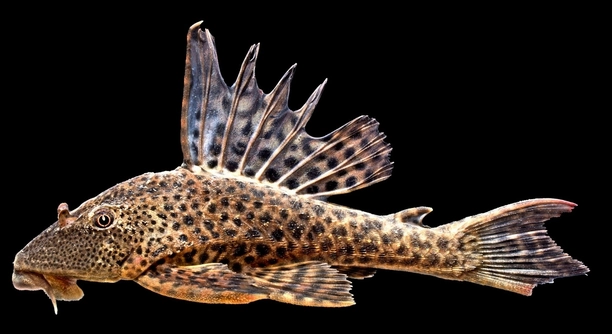
Taking care of a pleco can be rewarding, but it’s important to avoid certain mistakes that can impact their lifespan. These fish need proper care and the right environment to thrive. Keeping them healthy is key to a long life.
Several factors contribute to a pleco’s lifespan, including water quality, diet, tank size, and social conditions. Poor water quality, overcrowding, and improper feeding habits are common mistakes that can significantly shorten their lifespan, leading to health issues and early death.
By understanding these mistakes, you can improve your pleco’s living conditions and ensure they have a healthy, long life. Proper care will keep them happy and thriving in your aquarium.
Mistake 1: Poor Water Quality
One of the biggest mistakes that can harm your pleco’s health is neglecting water quality. Plecos are sensitive to changes in their environment, particularly the water. Dirty or unfiltered water can lead to stress and disease. Regular water changes and maintaining a proper filtration system are essential. Make sure the water parameters, such as pH, ammonia, nitrate, and temperature, are consistent with the species’ needs.
Water quality plays a crucial role in keeping your pleco healthy. Over time, neglecting it will lead to several issues like poor growth, weakened immune system, and early death. Regular testing and adjustments can prevent these issues.
Without proper water care, your pleco will struggle. If the water conditions aren’t kept in check, problems like algae buildup, respiratory distress, or even death could occur. Regularly clean your tank and monitor the water to keep your pleco happy and thriving.
Mistake 2: Overfeeding
Another common mistake is overfeeding your pleco. While it may be tempting to provide them with extra food, doing so can lead to obesity and water pollution. Overfed plecos often have difficulty processing food, resulting in uneaten scraps that pollute the water.
Feeding your pleco the right amount, and sticking to a balanced diet, will prevent them from becoming overweight and will help maintain water quality. Stick to feeding them a couple of times a week or as recommended for their size.
Overfeeding doesn’t just impact your pleco’s health; it can also affect the overall aquarium environment. Leftover food rots, creating harmful toxins in the tank. This will not only harm your pleco but can also impact any other fish in the tank.
Mistake 3: Inadequate Tank Size
Plecos need space to thrive. A tank that’s too small limits their ability to grow and move freely. It can lead to stress, poor health, and a shorter lifespan. Ensure your pleco has a tank large enough to meet its needs.
A common mistake is thinking that plecos can live happily in small tanks. While young plecos may seem fine in smaller spaces, they grow quickly and need more room as they mature. A tank that’s at least 75 gallons is recommended for adult plecos to ensure they have plenty of space to swim.
An undersized tank doesn’t just limit movement; it also impacts water quality. Smaller tanks are harder to maintain, meaning waste builds up quicker, causing toxic spikes. Plecos in small tanks can experience stress, weakening their immune systems. A larger tank will provide your pleco with the freedom to thrive.
Mistake 4: Poor Diet
Feeding your pleco a poor diet will lead to health issues. Many people think plecos only need algae to survive, but this is a mistake. A varied, balanced diet is necessary for their well-being.
A pleco’s diet should include high-quality algae wafers, vegetables, and occasional protein sources like shrimp or fish. Relying solely on algae or one type of food can cause nutritional imbalances. This can lead to conditions like malnutrition or obesity, both of which can reduce their lifespan.
Not all plecos are herbivores. Some species need more protein, so understanding your pleco’s specific needs is key. It’s essential to offer a variety of food and monitor their health to ensure they’re getting the right nutrients. A balanced diet will help them grow, maintain healthy organs, and live longer.
Mistake 5: Overcrowding the Tank
Overcrowding a pleco’s tank can lead to stress and competition for resources. A stressed pleco is more susceptible to illness, which can shorten its lifespan. Keeping the tank population under control is important for maintaining a healthy environment.
When you overcrowd, you also increase the waste in the water, which further degrades water quality. The pleco may not get enough space or oxygen, leading to respiratory problems. Make sure your pleco has enough room to swim freely and isn’t competing for space or food with other fish.
Mistake 6: Ignoring Temperature Stability
Plecos need stable water temperatures to stay healthy. Fluctuating temperatures can stress them out, making them more vulnerable to diseases. Keep the water temperature consistent, usually between 72-82°F, depending on the species.
Temperature changes affect digestion, immune function, and overall health. It’s important to use a reliable heater and thermometer to monitor the water’s temperature regularly, ensuring it doesn’t drop or spike unexpectedly. Stability is key to keeping your pleco comfortable and healthy.
Mistake 7: Lack of Hiding Spots
Plecos are shy creatures that need hiding spots in the tank. Without them, they may become stressed or territorial, which can lead to health problems. Providing caves or plants helps them feel safe.
Plecos rely on these hiding spots to escape stress and rest. If they feel exposed or threatened, their health can deteriorate quickly. Adding rocks, driftwood, or live plants will make your pleco’s tank more natural and comfortable, encouraging better overall health.
FAQ
What is the ideal tank size for a pleco?
The ideal tank size for a pleco depends on the species, but a general rule is at least 75 gallons for adults. Plecos grow large and need plenty of space to swim. Smaller tanks can restrict their growth, cause stress, and lead to health issues. Providing a spacious environment ensures your pleco can live comfortably and reach its full potential.
Can plecos live with other fish?
Yes, plecos can live with other fish, but they are best kept with peaceful species. Avoid keeping them with aggressive fish that may bully them. Larger fish like cichlids might not be the best tankmates since they can compete for resources or stress the pleco. Choose tankmates that won’t crowd or harass your pleco.
How often should I feed my pleco?
Feeding your pleco 2-3 times a week is usually sufficient. Overfeeding can lead to obesity and water pollution. Plecos tend to forage, so make sure they have enough food, such as algae wafers, vegetables, and occasional protein. Monitor the tank to ensure leftover food doesn’t deteriorate the water quality.
What type of food is best for a pleco?
A pleco’s diet should include algae wafers, fresh vegetables like zucchini and cucumber, and occasional protein sources such as shrimp or fish. Some species require more protein than others, so knowing your pleco’s specific needs is important. A variety of foods ensures a well-balanced diet and promotes long-term health.
Can I keep a pleco in a small tank?
While baby plecos may seem fine in smaller tanks, they need a much larger space as they grow. Small tanks cause stress, water quality issues, and limit movement. For a healthy pleco, a tank of at least 75 gallons is recommended for adults to provide ample space and better water conditions.
How can I tell if my pleco is stressed?
Stressed plecos may display unusual behavior such as hiding more often, refusing to eat, or swimming erratically. They may also lose their color or become lethargic. Poor water quality, overcrowding, or aggressive tankmates can contribute to stress. Ensuring the tank environment is optimal helps prevent these issues.
What is the lifespan of a pleco?
A pleco’s lifespan can range from 10 to 20 years, depending on the species and care. Providing the right environment, such as proper tank size, water quality, diet, and temperature, can help your pleco live a long and healthy life. Consistent care is key to their longevity.
Do plecos need a filter?
Yes, plecos require a filter to keep the water clean and properly aerated. They are messy eaters and produce a lot of waste, which can quickly degrade water quality. A good filtration system is essential to maintain stable water conditions and promote the pleco’s overall health.
Why is my pleco turning white?
A pleco turning white could indicate a number of issues, including stress, poor water quality, or disease. Water temperature fluctuations, poor diet, or parasites may cause the discoloration. It’s important to monitor your pleco’s behavior and water conditions closely. If it persists, consult a veterinarian specializing in fish care.
Can plecos survive without a heater?
Plecos require stable water temperatures. While some species can tolerate a wider range, most need temperatures between 72-82°F. Without a heater, the water temperature can fluctuate too much, leading to stress and illness. Using a reliable heater helps keep the water at the right temperature, ensuring your pleco stays healthy.
Are plecos nocturnal?
Yes, plecos are primarily nocturnal. They tend to be more active at night, searching for food and exploring their environment. During the day, they may hide or remain inactive. Providing caves or hiding spots gives them a sense of security during their resting periods.
How do I clean my pleco’s tank?
Regular cleaning is crucial for maintaining a healthy environment. Perform weekly water changes of 25-30%, remove uneaten food, and clean the substrate. Ensure the filter is functioning properly, and check water parameters regularly. Cleaning your pleco’s tank will help prevent disease and ensure a healthy habitat.
Can plecos eat algae from the tank?
Plecos naturally graze on algae, and they will often eat it from the walls of the tank. However, algae alone isn’t enough to sustain them. It’s important to supplement their diet with other foods, like algae wafers, vegetables, and protein, to meet their nutritional needs.
Do plecos need to be quarantined when introduced to a new tank?
Yes, it’s a good idea to quarantine new plecos before introducing them to an established tank. This helps prevent the spread of disease and allows you to monitor the fish for signs of illness. A separate quarantine tank for a few weeks ensures your pleco is healthy before joining other fish.
Why is my pleco not eating?
If your pleco isn’t eating, there could be several reasons. Poor water quality, stress from aggressive tankmates, or changes in the environment may cause a loss of appetite. Check the water parameters, ensure a proper diet, and reduce any sources of stress to encourage your pleco to eat.
How can I tell if my pleco is male or female?
In many pleco species, it’s hard to differentiate between males and females unless they are mature. Male plecos tend to have larger, more prominent pectoral fins and sometimes develop bristles on their snouts. Females are usually rounder and more robust, especially when carrying eggs.
Can plecos live without a tank filter?
No, plecos should not live in an unfiltered tank. They produce a lot of waste, which can quickly cause the water to become polluted. A filter is necessary to maintain water quality and ensure your pleco remains healthy. Regular water changes and good filtration are essential for their care.
What should I do if my pleco is floating?
If your pleco is floating, it could be a sign of swim bladder issues, stress, or water quality problems. Check for any abnormalities in behavior and test the water for ammonia, nitrites, and pH levels. If the issue persists, consult a fish vet to determine the cause.
Final Thoughts
Taking care of a pleco involves more than just providing food and a tank. Plecos require a stable environment to thrive, including the right water conditions, space, and tank mates. Understanding their needs can make a big difference in their health and lifespan. When you meet these requirements, your pleco will live a much longer and happier life.
Every mistake that shortens a pleco’s lifespan can be avoided with simple care and attention. Overcrowding, poor water quality, and improper diets are common causes of stress and illness. By maintaining a clean tank, offering the proper food, and ensuring temperature stability, your pleco can grow and develop without unnecessary health risks. Regular monitoring and being aware of any changes in behavior are key in preventing potential problems.
The rewards of properly caring for a pleco are significant. Not only will you provide a healthier and happier life for your fish, but you’ll also enjoy watching them thrive in their environment. Taking the time to address these common mistakes ensures that your pleco will live a long, stress-free life in your aquarium.

Hello,
If you enjoy the content that we create, please consider saying a "Thank You!" by leaving a tip.
Every little bit helps us continue crafting quality advice that supports the health, happiness, and well-being of pets around the world, for pets of all shapes, sizes, and species.
We really appreciate the kindness and support that you show us!