
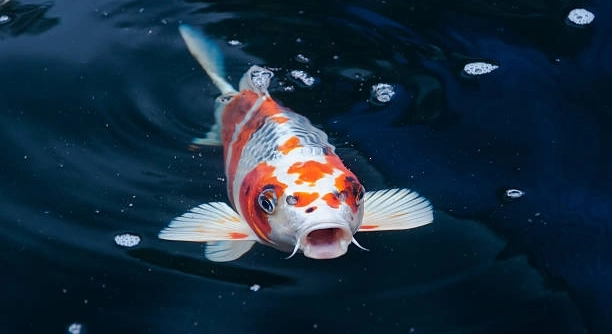
Koi fish are known for their beautiful colors, but sometimes they lose their brightness over time. Many koi keepers notice this fading and wonder why their fish don’t look as vibrant as before. Understanding the causes can help maintain their stunning appearance.
Koi fish lose color mainly due to environmental stress, poor water quality, inadequate diet, and improper lighting. These factors affect the pigments in their skin, leading to dullness and color loss. Identifying and correcting these mistakes is essential for keeping koi vibrant.
Knowing the common mistakes that affect koi coloration will help you take better care of your fish. Keeping the right conditions can make a big difference in their health and beauty.
Poor Water Quality
Maintaining clean water is one of the most important factors for keeping koi fish healthy and colorful. When water quality drops, koi become stressed, and their colors start to fade. High levels of ammonia, nitrites, or nitrates can harm their skin pigments. Dirty water also encourages algae growth and harmful bacteria, which affect fish health. Regular water testing and partial water changes help keep the environment stable. Proper filtration is necessary to remove waste and toxins. Sometimes, people overlook water temperature and pH levels, which also influence color vibrancy. Consistent monitoring and maintenance create the best conditions for koi to thrive and display their true colors.
Without good water quality, koi will lose their brightness quickly. Keeping water clean ensures the fish stay healthy and colorful for a long time.
Regular water checks, changing water often, and using the right filter system will prevent your koi from losing their shine. Clean water is the foundation for a lively pond.
Inadequate Diet
A koi’s diet plays a direct role in how vivid its colors remain. Feeding poor quality or unbalanced food can cause the fish’s colors to dull. Koi need a variety of nutrients, especially carotenoids, which help produce red, orange, and yellow pigments. Without these, colors fade. Overfeeding or feeding the wrong type of food leads to obesity and weak immune systems, making koi more prone to stress and illness. Seasonal changes also affect feeding habits. For example, in colder months, koi digest food more slowly and may need different types of feed. Ensuring your koi’s diet matches their nutritional needs supports both health and color intensity.
Feeding the right mix of proteins, vitamins, and pigments keeps koi fish looking bright and healthy.
Balanced nutrition is essential for maintaining koi coloration. Quality food with natural color enhancers supports pigment production. Avoid overfeeding to prevent health problems that cause color loss. Offering variety and adjusting food based on season ensures your koi receive proper care year-round. Many koi owners find that supplementing with color-enhancing pellets or fresh vegetables improves their fish’s vibrancy. Watching your koi’s eating habits can also signal health issues early. Providing a consistent and appropriate diet is one of the best ways to keep your koi’s colors vivid and lasting.
Inadequate Lighting
Koi fish need proper lighting to maintain their color. Too little light causes fading, while too much can stress them out. Balancing natural and artificial light helps keep colors bright.
Light affects the development of pigments in koi skin. Without enough light, the cells that produce color don’t work as well. If your pond is shaded or indoors, your koi may lose their vibrant reds and oranges. On the other hand, direct, intense sunlight for long periods can cause stress and even algae blooms, which reduce water quality. A good balance includes some sunlight and shaded areas, or timed artificial lights for indoor ponds. Adjusting light exposure supports healthy pigment production and color retention.
Using timers for artificial lights can help create a natural day-night cycle. This promotes koi well-being and reduces stress. Providing a balanced lighting environment is a simple but effective way to maintain your fish’s vivid colors over time.
Stress and Overcrowding
Stress greatly impacts koi coloration. Overcrowded ponds increase competition and aggression, causing stress that leads to color fading. Fish need enough space to swim calmly and stay healthy.
Stress triggers hormonal changes that reduce pigment production in koi. When ponds are too crowded, koi become more aggressive or shy, and their immune systems weaken. Poor water circulation and low oxygen levels are common in crowded ponds, worsening stress. Koi kept in stressful conditions lose their natural glow and become more vulnerable to diseases. Monitoring the number of fish and ensuring enough pond space can prevent stress-related color loss.
Keeping a well-balanced number of koi in your pond is essential. Adding decorations or plants to create hiding spots can reduce aggression. Healthy water flow and oxygen levels also lower stress. A calm, spacious pond allows koi to display their brightest colors naturally.
Aging and Genetics
As koi grow older, their colors naturally fade. This is a normal process that happens over time. Genetics also play a role in how bright their colors remain throughout life.
Some koi strains are bred for long-lasting vibrant colors, while others may lose color more quickly. Understanding your koi’s breed helps set realistic expectations about their color changes as they age.
Disease and Parasites
Diseases and parasites can cause koi to lose color rapidly. Infections often weaken fish, making their colors dull. Treating health issues quickly helps restore their vibrancy.
Keeping a clean pond and observing your koi regularly for signs of illness reduces the risk of disease-related color loss.
Water Temperature
Water temperature impacts koi coloration because it affects metabolism and pigment production. Cold water slows these processes, causing colors to fade.
Maintaining a stable, appropriate temperature encourages koi to keep their bright colors and stay healthy longer.
FAQ
Why do koi lose their color after being introduced to a new pond?
Koi often lose color when moved to a new environment because they experience stress and their bodies adjust to different water conditions. Changes in water quality, temperature, and lighting all affect pigment production. It takes time for koi to adapt and regain their full colors if the new pond conditions are good.
Can koi regain color once it has faded?
Yes, koi can regain color if the cause of fading is corrected. Improving water quality, adjusting diet, reducing stress, and providing proper lighting can help koi restore their vibrant colors. However, if fading is due to aging or genetics, the change may be permanent.
How often should I test my pond water to keep koi colors bright?
Testing water weekly is ideal to ensure stable conditions. Important factors include ammonia, nitrites, nitrates, pH, and temperature. Keeping these balanced helps prevent stress and pigment loss in koi.
Is it okay to use color-enhancing food all year round?
Color-enhancing food is best used during warmer months when koi are most active and feeding well. In colder months, koi eat less and their metabolism slows down, so feeding these foods year-round can lead to waste and poor water quality.
Does sunlight help koi colors?
Yes, natural sunlight helps koi produce pigments that keep their colors bright. However, too much direct sunlight can cause stress and algae growth. Providing shaded areas or partial sunlight is best.
Can overcrowding cause koi to lose color?
Overcrowding causes stress, which weakens koi and dulls their colors. Giving koi enough space reduces competition and aggression, helping maintain their vibrant appearance.
How can I tell if my koi are stressed?
Signs of stress include faded colors, clamped fins, hiding more often, loss of appetite, and erratic swimming. Addressing water quality, pond size, and diet can reduce stress and help colors improve.
Does aging affect koi color permanently?
Yes, aging naturally causes some color fading. This process varies depending on genetics and care. Good care can slow fading, but it is a normal part of a koi’s life cycle.
Are there specific diseases that cause color loss?
Yes, infections, parasites, and bacterial diseases can cause koi to lose color quickly. Early treatment is important to restore health and vibrancy.
What temperature is best for koi color retention?
Koi colors stay brighter in moderate temperatures, generally between 65°F and 75°F (18°C to 24°C). Extreme cold or heat slows metabolism and pigment production, leading to fading.
Can changing water too often cause koi to lose color?
Frequent large water changes can stress koi and cause temporary color loss. It’s better to perform smaller, regular partial water changes to maintain stable conditions without shocking the fish.
How long does it take for koi to regain color after fixing issues?
It usually takes a few weeks to a couple of months for koi to regain their color once conditions improve. Patience and consistent care are key during this period.
Does diet alone control koi color?
Diet plays a big role, but it works best alongside good water quality, lighting, and low stress. A balanced approach is necessary to keep koi colors bright and healthy.
Should I quarantine new koi to protect color in my pond?
Yes, quarantining new koi for at least two weeks helps prevent diseases and stress, protecting the color and health of your existing fish.
Can water hardness affect koi color?
Yes, very hard or very soft water can stress koi and affect pigment development. Keeping water hardness within recommended levels supports healthy coloration.
Is tap water safe for koi ponds?
Tap water often contains chlorine or chloramine, which can harm koi and affect their colors. Treating tap water before adding it to the pond is essential for fish health and color retention.
Taking care of koi fish requires attention to many small details, especially when it comes to maintaining their beautiful colors. Color fading is a common issue that many koi keepers face, but it is often preventable. The key is to provide a stable, clean environment with good water quality, proper lighting, and a balanced diet. Each of these factors plays a role in helping koi maintain their vibrant pigments. When any one of them is off, the fish may start to lose color. Being aware of these factors and regularly checking your pond’s condition can help avoid many problems.
Stress is another important cause of color loss in koi. Overcrowding, sudden changes in water quality, or poor handling can all stress the fish and dull their appearance. Koi need space to swim and feel safe in their environment. When they are stressed, their immune systems weaken, and their pigment production decreases. Giving koi enough room and minimizing disturbances helps keep them calm and colorful. Additionally, knowing the needs of your specific koi breed, including their dietary and environmental preferences, makes a big difference in how long their colors stay bright.
Finally, koi fish are living creatures with natural life cycles, and some color changes are normal as they age. Genetics also affect how long koi keep their color. While some fading over time is expected, good care can slow the process and keep your koi looking beautiful for many years. Remember to watch for signs of illness or parasites, as these can quickly reduce color and harm your fish. With patience, observation, and proper care, you can enjoy the stunning colors of your koi for a long time. It’s a rewarding experience to see them thrive and shine in your pond.

Hello,
If you enjoy the content that we create, please consider saying a "Thank You!" by leaving a tip.
Every little bit helps us continue crafting quality advice that supports the health, happiness, and well-being of pets around the world, for pets of all shapes, sizes, and species.
We really appreciate the kindness and support that you show us!