
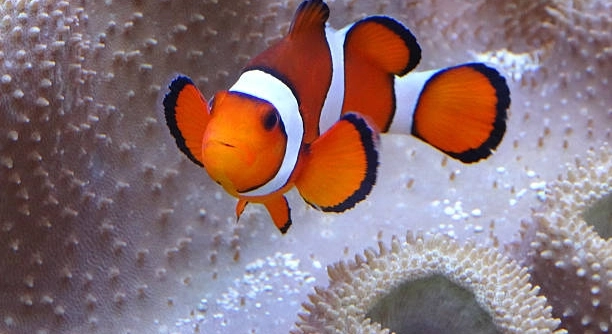
Clownfish are popular pets because of their bright colors and interesting behavior. However, many owners face challenges when their clownfish become overly territorial. Understanding the reasons behind this behavior is important for maintaining a peaceful aquarium environment.
Clownfish exhibit territorial behavior mainly due to mistakes in tank setup, inadequate space, poor social grouping, and environmental stressors. These factors increase aggression as fish compete for limited resources and establish dominance, leading to a territorial mindset.
Learning about these common mistakes can help you create a calmer, healthier home for your clownfish and improve their interactions.
Inadequate Tank Size and Overcrowding
Clownfish need enough space to swim freely and establish their own areas. When the tank is too small or overcrowded, fish feel cramped and stressed. This lack of space leads them to guard whatever small territory they can claim. Overcrowding also causes competition for food and hiding spots, increasing aggression. Keeping too many fish in a confined space limits their natural behavior and makes territorial disputes more common. Choosing a tank size appropriate for the number of clownfish and other tank mates is essential. Giving them room to move reduces tension and helps maintain peace. Adding plenty of hiding places and visual barriers also minimizes confrontations. Small tanks make it difficult to separate aggressive fish, so proper tank size supports healthier social interactions.
A larger tank with well-planned decorations offers more boundaries and lessens stress. This reduces territorial behavior and creates a more comfortable environment.
By providing sufficient space, clownfish are less likely to become aggressive and territorial. Proper tank size is key to a balanced aquarium.
Poor Social Grouping
Clownfish naturally form small social groups with a clear hierarchy. Problems arise when they are kept in incompatible groupings. For example, placing too many males together or mixing species with different temperaments can lead to constant fighting. It’s important to understand the social dynamics of clownfish before adding multiple individuals. Incompatible pairings create stress, leading to increased territorial claims.
When multiple clownfish live together, clear social roles help reduce aggression. Dominant pairs and appropriate gender ratios contribute to harmony. Some species prefer to be kept singly or in pairs rather than groups.
Careful selection and observation are crucial. Adjusting social groups by removing aggressive fish or separating incompatible ones can calm territorial disputes. Providing enough space for each fish to establish its own territory also helps. Attention to social compatibility ensures a stable and peaceful community in the tank.
Insufficient Hiding Spots
Clownfish need hiding places to feel secure. Without enough shelters, they become stressed and more aggressive toward each other. Hiding spots reduce conflicts by giving fish safe areas to retreat.
Providing plenty of live rock, coral, or artificial caves creates a natural environment. These shelters help clownfish avoid constant face-offs by breaking lines of sight. When fish can hide, they feel less threatened and territorial disputes decrease. Without these refuges, clownfish may guard small areas aggressively, leading to fights that can harm their health.
Proper tank decoration plays a key role in reducing territorial behavior. Thoughtful placement of hiding spots allows fish to establish personal spaces without continuous conflict. This makes the aquarium more balanced and calm for all inhabitants.
Poor Water Quality and Environmental Stress
Water quality directly impacts clownfish behavior. Poor conditions increase stress, making fish more defensive and territorial. High levels of ammonia, nitrites, or nitrates irritate clownfish and disrupt their natural calmness.
Maintaining clean, stable water with regular testing and changes is essential. Sudden shifts in temperature or pH can also trigger aggressive behavior. Stress weakens immune systems, so fish are less able to cope with social pressures. Monitoring water parameters closely prevents these issues.
Environmental factors like strong lighting or excessive noise can add stress too. Keeping a stable, comfortable habitat supports peaceful behavior and reduces the need for territorial defense. Ensuring good water quality and minimizing stressors helps clownfish coexist more smoothly in the tank.
Inconsistent Feeding Schedule
Clownfish need regular feeding times to stay calm. Irregular feeding can cause stress and competition, making them more territorial. When food is scarce or unpredictable, they guard their feeding area aggressively.
A consistent schedule reduces anxiety and prevents fights. Feeding small amounts multiple times a day works best for keeping clownfish peaceful and well-fed.
Introducing New Fish Too Quickly
Adding new clownfish or other tank mates without proper introduction can trigger aggression. Fish need time to adjust and recognize new individuals to avoid territorial disputes. Sudden changes disrupt established hierarchies and increase stress.
Introducing new fish slowly, using quarantine tanks or visual barriers, helps reduce conflicts. Patience during this process supports a more harmonious tank environment.
Lack of Environmental Enrichment
Clownfish need stimulation and variety in their environment. Without it, they may become bored or stressed, which can increase territorial behavior. Adding different textures, plants, or decorations helps keep them engaged and relaxed.
FAQ
Why do clownfish become territorial?
Clownfish become territorial mainly because of stress, limited space, and competition for resources. When their environment feels crowded or unsafe, they try to protect a small area. This behavior is natural but can get worse if tank conditions aren’t ideal. Poor water quality, lack of hiding spots, or an improper social group also increase territorial aggression.
How can I reduce territorial behavior in my clownfish?
To reduce territorial behavior, make sure your tank is large enough and has plenty of hiding places. Keep water clean and stable by testing it regularly and doing partial water changes. Also, avoid overcrowding and choose compatible fish. Feeding on a regular schedule helps lower competition for food. Gradual introductions of new fish can prevent stress and fights.
Is it normal for clownfish to be aggressive sometimes?
Yes, a little aggression is normal, especially during breeding or when establishing hierarchy. However, constant aggressive behavior shows there is likely a problem with tank setup or social conditions. Too much fighting can harm fish and damage the tank’s harmony.
How many clownfish can I keep together?
This depends on tank size and species. Generally, one or two clownfish do best in a smaller tank. Larger tanks can support a small group, but make sure there is enough space and hiding spots for each fish to claim territory. Avoid keeping multiple males together as they tend to fight more.
What should I do if my clownfish are fighting?
If your clownfish fight, first check the tank size and environment. Add more hiding spots and rearrange decorations to break up sightlines. Reduce the number of aggressive fish if needed, or separate them temporarily. Keep the water quality high and monitor feeding to reduce competition.
Can different clownfish species live together?
Some species of clownfish can live together peacefully if the tank is large enough and there are plenty of hiding spots. However, mixing species with very different temperaments often causes aggression. Research each species’ behavior and compatibility before adding them to the same tank.
Does breeding affect territorial behavior?
Breeding clownfish become more territorial because they protect their eggs and nesting area. This is natural but can cause tension with other fish. Providing extra space and hiding places helps reduce fights during breeding periods.
How important is tank decoration for clownfish behavior?
Tank decoration is very important. It offers hiding spots and breaks lines of sight, which reduce stress and fights. Live rock, coral, and caves provide safe areas for clownfish to retreat and claim territory. Changing the tank layout occasionally can help stop fixed territorial disputes.
Can stress from poor water quality cause aggression?
Yes, poor water quality is a major cause of stress and aggression in clownfish. High ammonia, nitrites, or sudden temperature changes make fish defensive. Maintaining stable, clean water is key to reducing territorial behavior and keeping fish healthy.
What role does feeding play in territorial disputes?
Irregular or insufficient feeding increases competition and aggression. Clownfish guard their feeding spots more aggressively when food is scarce or unpredictable. Feeding small amounts multiple times a day on a set schedule keeps them calm and reduces fights over food.
Clownfish are beautiful and interesting fish to keep, but their territorial behavior can sometimes be challenging for aquarium owners. Understanding what causes this behavior is important for creating a peaceful tank environment. Many factors, such as tank size, social groupings, water quality, and feeding schedules, play a role in how territorial clownfish become. By paying attention to these details, it is possible to reduce aggression and help clownfish live comfortably together.
A key step is to provide enough space and hiding places. Clownfish feel safer when they have room to swim freely and spots to hide from each other. Overcrowding makes them stressed and more likely to fight. Keeping the water clean and stable also helps reduce stress, which lowers the chances of territorial disputes. Feeding on a regular schedule ensures they are not competing too hard for food, which can be a source of aggression. Careful introduction of new fish and attention to compatible social groups will also keep the tank calmer.
In summary, small changes in tank setup and care can greatly improve how clownfish interact. Avoiding overcrowding, improving water quality, and offering environmental enrichment help maintain peace. Observing fish behavior regularly allows quick adjustments before problems grow. With the right environment, clownfish will be less territorial, healthier, and more enjoyable to watch. This balance creates a better experience for both the fish and the owner.

Hello,
If you enjoy the content that we create, please consider saying a "Thank You!" by leaving a tip.
Every little bit helps us continue crafting quality advice that supports the health, happiness, and well-being of pets around the world, for pets of all shapes, sizes, and species.
We really appreciate the kindness and support that you show us!