
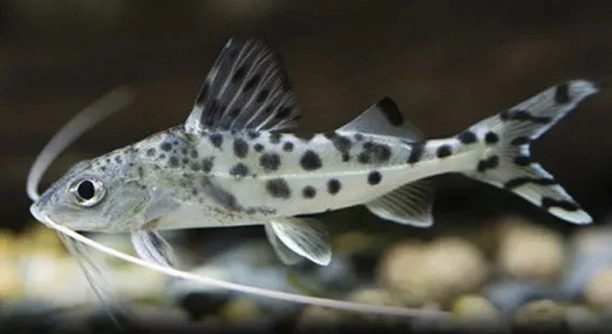
Are your Pictus catfish showing signs of frayed fins or fading color that wasn’t there before? You’re not alone—many aquarists notice this problem and aren’t sure where it’s coming from.
Fin rot in Pictus catfish is most often caused by poor water quality, stress, and improper tank maintenance. These conditions weaken the fish’s immune system, making them more vulnerable to bacterial infections that damage their delicate fins over time.
Learning to spot the common triggers early can help prevent further damage and keep your Pictus healthy and active for the long term.
Mistake #1: Poor Water Quality
Dirty water is one of the most common reasons Pictus catfish develop fin rot. These fish are sensitive to ammonia, nitrites, and high nitrate levels. When the water isn’t clean, harmful bacteria can build up and lead to infections. Skipping regular water changes or overfeeding your fish can make the water unhealthy fast. Even missing a few cleanings can cause issues over time. A reliable filtration system helps, but it doesn’t replace consistent maintenance. Always test your water weekly and keep levels in a safe range. Clean gravel and remove uneaten food to avoid buildup.
When water quality drops, fish become more stressed, and their fins may start to break down or look ragged. This is often the first sign of fin rot.
Keeping your tank clean doesn’t have to be complicated. Set a weekly schedule to change at least 25% of the water and clean debris. This simple routine helps your Pictus thrive and makes it easier to catch problems before they become serious. Make sure to rinse filter media with tank water to avoid killing beneficial bacteria. Also, avoid using harsh chemicals unless necessary. Stability is key—sudden changes in water temperature or pH can stress the fish and trigger fin issues.
Mistake #2: Overcrowding the Tank
Too many fish in one tank causes constant stress for your Pictus, which lowers its immune response.
Pictus catfish need space to move and rest. When a tank is overcrowded, aggression increases, and waste builds up faster. This leads to poor water conditions and higher chances of infection. These fish are active swimmers and prefer having plenty of open space. Cramming too many into a small tank not only limits movement but also causes them to hide more often, which is a stress signal. An adult Pictus needs at least a 55-gallon tank, and more if housed with other fish.
Overstocking can also make it hard for your filter to keep up. Even if the water looks clean, toxins can still be present in high amounts. Uneaten food and waste break down quickly, adding to the problem. Keeping the tank lightly stocked gives each fish room to grow and behave naturally. Pay attention to behavior—if fish are constantly chasing or hiding, it’s time to adjust the tank setup or reduce numbers.
Mistake #3: Infrequent Tank Cleaning
A dirty tank leads to rising bacteria levels, which can break down a Pictus catfish’s fins over time. If waste and leftover food aren’t removed regularly, fin rot becomes more likely.
Skipping cleanings allows harmful bacteria and toxins to build up quickly. Even if the water looks clear, unseen waste collects in the substrate and filter. Over time, this can weaken your fish’s immune system and open the door to fin damage. Cleaning doesn’t have to be overwhelming. Siphon the gravel once a week, clean decorations gently, and trim any dead plant matter. Don’t forget to rinse your filter media using tank water—not tap—so you don’t kill off helpful bacteria. These small, steady efforts keep the environment healthier.
Regular cleaning also helps you catch early signs of trouble. During cleanings, you’ll notice any odd behavior, discoloration, or fin changes. This gives you a chance to act early. Removing decaying matter also keeps the water smelling fresh and reduces the load on your filter. Keep a log or set reminders if needed. Making it a habit will go a long way in keeping your Pictus stress-free and protected from fin rot.
Mistake #4: Stress from Aggressive Tank Mates
Pictus catfish are generally peaceful, but housing them with aggressive or territorial fish can leave them stressed and injured. Fin nipping is common and may lead to open wounds, which quickly become infected.
Tank mates play a big role in your Pictus catfish’s health. If they’re constantly being chased, harassed, or nipped, it creates ongoing stress that lowers their immune defenses. This makes them much more vulnerable to fin rot. Look for signs like hiding during feeding, darting around the tank, or resting at odd angles—these can mean they’re not comfortable. Try to pair them with similarly sized, peaceful fish like tetras, corydoras, or non-aggressive loaches. Avoid fin-nippers and territorial species like tiger barbs or cichlids. Always monitor how fish interact after introducing new ones. Rearranging decorations can help reduce aggression by breaking up established territories. A peaceful tank keeps stress low, making your Pictus more active, healthier, and far less likely to develop fin issues.
Mistake #5: Sudden Water Parameter Changes
Pictus catfish don’t respond well to quick shifts in temperature, pH, or hardness. These sudden changes can lead to shock, stress, and lower immunity. Stable conditions are more important than aiming for perfection.
Even one large water change with mismatched temperature or pH can trigger fin rot. Use a thermometer and test kit.
Mistake #6: Ignoring Early Signs of Infection
Catching fin rot early makes treatment faster and easier. Look for white edges, ragged fins, or changes in behavior. Waiting too long can let the infection spread and lead to permanent damage. Early signs are easy to miss if you’re not checking your fish daily. Set time aside to observe your Pictus closely. If you spot something unusual, isolate the fish and treat it right away using a mild antibacterial treatment or salt bath. Removing the cause—like dirty water or stress—is just as important as treating the symptoms. Early care means your fish is more likely to recover fully.
Mistake #7: Using the Wrong Medication
Choosing harsh or incorrect treatments can make the condition worse. Stick with proven, gentle options and always follow dosage instructions.
FAQ
What causes fin rot in Pictus catfish?
Fin rot is caused by bacterial infections that occur when the fish’s fins get damaged. Poor water quality, stress from overcrowding, aggressive tank mates, or sudden changes in water parameters weaken the fish’s immune system. This creates an environment where harmful bacteria can thrive and attack the fins.
How can I prevent fin rot?
Maintaining clean water is the most important step. Regular water changes, proper filtration, and avoiding overcrowding help reduce stress and bacterial growth. Choose peaceful tank mates and keep water temperature and pH stable. Also, watch your fish daily for any early signs of fin damage or unusual behavior.
Can fin rot be cured once it appears?
Yes, fin rot can be treated successfully if caught early. Using antibacterial medications designed for fish and improving water quality usually helps. Salt baths can support healing, but it’s important to isolate the sick fish if possible to avoid spreading the infection.
How often should I clean my Pictus tank?
A weekly cleaning routine is best. Change 25% to 30% of the water weekly, siphon the gravel, and gently clean any decorations. Rinse filter media in tank water to keep beneficial bacteria alive. Frequent cleanings prevent waste buildup and help spot problems before they worsen.
What water parameters are ideal for Pictus catfish?
Pictus catfish prefer a temperature between 74°F and 79°F (23°C to 26°C). pH should stay between 6.5 and 7.5, and water hardness should be moderate. Keeping these parameters stable is key, as sudden changes can stress your fish and lead to fin rot.
Why is my Pictus hiding a lot?
Excessive hiding can be a sign of stress or illness. Aggressive tank mates, poor water quality, or fin damage may cause your Pictus to retreat. Look for signs of fin rot or aggression in the tank and improve the environment by reducing stress factors.
Is it safe to use aquarium salt for fin rot?
Yes, aquarium salt can help treat minor fin rot by reducing bacterial growth and aiding healing. Use it carefully and follow dosage instructions, as too much salt can stress your fish. Salt is most effective when combined with improved water quality and proper medication.
Can fin rot come back after treatment?
If the underlying cause isn’t fixed, fin rot can return. Treating the infection alone won’t prevent future problems if water conditions remain poor or the fish stays stressed. Keeping a clean, stable environment is essential for long-term health.
Should I quarantine new fish before adding them to the tank?
Quarantining new fish is highly recommended. It prevents introducing diseases like fin rot into your main tank. A 2-4 week quarantine period in a separate tank allows you to observe and treat any signs of illness before mixing fish.
What foods help support a Pictus catfish’s immune system?
A balanced diet rich in protein helps keep your Pictus strong. Offer a variety of foods such as high-quality pellets, frozen or live bloodworms, and brine shrimp. Avoid overfeeding, which can pollute the water and weaken immunity.
Can fin rot cause permanent damage?
If left untreated, fin rot can destroy large parts of the fins or tail, which may not fully grow back. In severe cases, the infection can spread deeper, leading to more serious health issues or death. Early detection and care are vital to prevent lasting harm.
How do I know if fin rot is bacterial or fungal?
Bacterial fin rot usually starts as ragged or frayed edges and may show white or red inflammation. Fungal infections often appear as fuzzy white patches. If unsure, consult a vet or aquarium specialist for accurate diagnosis and treatment advice.
Is it okay to mix medications for fin rot?
Mixing medications can sometimes harm fish or reduce effectiveness. Always research the treatments you plan to use and follow product instructions. When in doubt, treat with one medication at a time and monitor your fish closely.
How long does it take for fin rot to heal?
With proper care, fin rot may begin to improve within a week. Full recovery depends on the infection’s severity and water conditions. Healthy fish in clean water can regrow fins within a few weeks to a month.
What signs indicate my Pictus is recovering from fin rot?
Look for reduced redness and swelling around the fins, less fraying, and new fin growth. The fish should appear more active and start swimming normally. Consistent water quality and continued treatment support full recovery.
Can fin rot spread to other fish?
Yes, fin rot is contagious if caused by bacteria in the water. Infected fish release bacteria that can infect others, especially if water quality is poor or fish are stressed. Quarantine and treat sick fish promptly to control outbreaks.
Fin rot in Pictus catfish is a common issue that can be prevented and treated with careful attention. Keeping your tank clean and maintaining stable water conditions are the most important steps. When the water quality is good, your fish’s immune system stays strong, which helps fight off infections naturally. Regular water testing, scheduled cleanings, and proper filtration all work together to create a healthy environment. It’s also important to avoid sudden changes in temperature or pH, as these can stress your Pictus and make them more vulnerable to fin rot.
Watching how your fish behave and inspecting their fins regularly can help you catch fin rot early. Early detection makes treatment easier and increases the chances of full recovery. If you notice ragged fins, discoloration, or changes in swimming patterns, take action right away by improving water conditions and using suitable medications if needed. Providing your Pictus with peaceful tank mates and enough space helps reduce stress, which plays a big role in preventing illness. Avoid overcrowding and aggressive fish that may nip fins or cause injury.
Treating fin rot is not just about medication but also about correcting the conditions that caused it in the first place. Using the wrong treatment or ignoring water quality can make the problem worse. A steady routine of tank maintenance combined with good nutrition and gentle care will support your Pictus catfish’s long-term health. Remember, keeping a calm and stable environment is the best way to protect your fish from fin rot and other common illnesses. Taking these steps makes your tank a safe and happy home for your Pictus.

Hello,
If you enjoy the content that we create, please consider saying a "Thank You!" by leaving a tip.
Every little bit helps us continue crafting quality advice that supports the health, happiness, and well-being of pets around the world, for pets of all shapes, sizes, and species.
We really appreciate the kindness and support that you show us!