
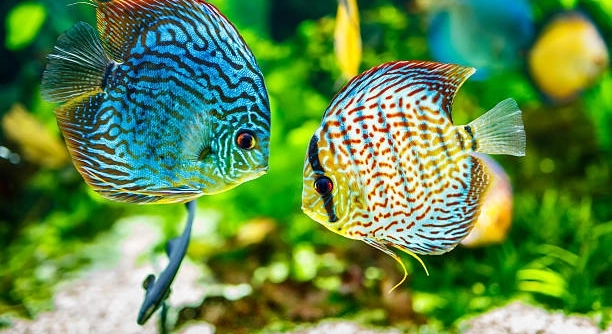
Breeding discus fish can be rewarding, but many beginners face challenges that slow down or stop their progress. It’s common to make mistakes without realizing how much they affect the breeding process. Understanding these errors helps improve success.
Seven common mistakes often discourage discus breeding, including improper water conditions, inadequate diet, poor tank setup, and lack of patience. These factors negatively impact discus health and breeding behavior, reducing the chances of successful spawning and raising healthy fry.
Knowing these pitfalls will help you create a better environment for your discus and increase your chances of successful breeding. Learning from these mistakes makes the process smoother and more enjoyable.
Poor Water Quality and Maintenance
Maintaining clean and stable water conditions is critical for discus breeding. Many beginners overlook the importance of regular water changes and testing. Discus fish are sensitive to changes in pH, ammonia, nitrites, and nitrates. If these levels fluctuate or become toxic, the fish will become stressed and less likely to breed. Even small amounts of leftover food or waste can quickly degrade water quality. Investing in a reliable water testing kit and setting a strict cleaning schedule can make a big difference. Avoid using harsh chemicals or soaps when cleaning tanks, as residues can harm your discus. Soft, slightly acidic water is generally preferred for breeding discus. A well-maintained tank helps fish feel secure, encourages spawning, and improves fry survival rates.
Poor water conditions often cause stress that prevents discus from breeding. Consistent water quality is key to healthy fish and successful spawning.
When water quality suffers, discus become vulnerable to disease and poor health, which directly impacts their willingness to breed. Keeping water parameters stable requires patience and attention, but the results are worth it. Frequent small water changes prevent buildup of harmful substances and keep conditions ideal. Using a quality filtration system also supports a healthy environment. A stable temperature between 82-86°F is necessary because discus are tropical fish and need warmth to stimulate breeding. Avoid sudden temperature shifts or overcrowding, as these stress the fish. Remember, a calm and clean tank encourages discus to breed naturally without extra intervention.
Inadequate Diet and Nutrition
Discourage breeding often stems from feeding discus an incomplete or improper diet. Discus require high-quality foods rich in protein and nutrients to build energy for spawning. Feeding only flakes or pellets is not enough. Including live or frozen foods like bloodworms, brine shrimp, and beef heart boosts their health and breeding readiness. A poor diet can weaken discus, making them less active and less likely to pair up. Feeding too much or too little can also cause issues; overfeeding pollutes the water, while underfeeding leads to malnourishment. Aim for small, frequent meals to keep discus healthy. Supplements like vitamins can help if their diet lacks variety.
Proper nutrition supports discus reproductive health. A balanced, protein-rich diet improves spawning success and fry vitality.
Improper Tank Setup
The tank setup plays a major role in discus breeding success. Too much decoration or inappropriate plants can make discus uncomfortable. They need open swimming space and flat surfaces for laying eggs.
Discus prefer calm environments with smooth surfaces like slate or broad leaves for spawning. Avoid sharp decorations that may injure them or disturb the eggs. Proper lighting is also important; dim lighting encourages breeding, while harsh lights can stress the fish. The tank should have good filtration but minimal water flow to avoid disturbing the parents or fry. Temperature should be steady, and hiding spots should be available to reduce stress without overcrowding the space.
A poorly arranged tank makes discus uneasy and less likely to spawn. Simple, clean setups with suitable spawning sites improve chances. Keep the layout stable once the fish start breeding, as changes can interrupt their process.
Lack of Patience and Observation
Breeding discus requires time and close attention to their behavior. Impatience often leads to mistakes, like disturbing the pair or changing tank conditions too soon. Watching how discus interact helps understand when they are ready to breed.
Discus pairs form slowly, and forcing breeding by rushing conditions often backfires. Observing signs like cleaning behavior, close swimming, and increased territoriality helps identify spawning readiness. Sudden changes in water or environment during this time cause stress, halting breeding. Allowing the pair to settle in and monitoring water parameters regularly provides the best chance for success. Patience also helps notice small problems early, such as illness or aggression, so adjustments can be made without disrupting the breeding cycle. Giving discus time to bond naturally results in stronger, healthier pairs and better fry survival rates.
Overcrowding the Tank
Too many fish in the tank causes stress and reduces breeding chances. Discus need space to feel safe and to establish territories.
Overcrowding leads to poor water quality and increased aggression. Keeping only a few fish in a well-sized tank helps maintain calm conditions for breeding.
Inconsistent Temperature Control
Discus are very sensitive to temperature changes. Fluctuating temperatures can shock them and stop spawning.
Maintaining a stable temperature between 82°F and 86°F is essential. Use a reliable heater and monitor temperature daily to avoid sudden drops or spikes that discourage breeding.
Ignoring Signs of Illness
Sick discus will not breed and may even harm their eggs. Watch for changes in color, appetite, or behavior.
Early detection and treatment of illness protect both parents and fry, increasing breeding success.
FAQ
What causes discus to reject their eggs?
Discus often reject their eggs when water quality is poor or unstable. Stress from overcrowding, sudden changes in temperature, or aggressive tank mates can also cause parents to eat or abandon their eggs. Inexperienced pairs may reject eggs due to immaturity or lack of bonding. Keeping water clean and stable, providing a calm environment, and allowing pairs to form naturally reduce this problem.
How long does it take for discus eggs to hatch?
Discus eggs typically hatch within 48 to 60 hours after being laid. This period depends on water temperature; warmer water speeds up hatching, while cooler water slows it down. After hatching, the fry stay attached to their parents for several days before becoming free-swimming.
Can discus breed in a community tank?
Breeding discus in a community tank is challenging because other fish can stress the breeding pair and eat eggs or fry. For best results, use a separate breeding tank to give discus a quiet, controlled space with proper water conditions and minimal disturbances.
What is the ideal diet for breeding discus?
A diet rich in protein is vital for breeding discus. Feed them high-quality frozen or live foods like bloodworms, brine shrimp, and beef heart. Supplement with specialized discus pellets and occasional vegetables to provide balanced nutrition. Proper feeding enhances health and improves spawning success.
How often should water be changed during breeding?
During breeding, frequent small water changes—about 20-30% twice a week—help maintain clean and stable water. Avoid large or sudden changes as they can stress the fish and interrupt spawning behavior. Consistent water quality supports healthy fry development.
Why are discus fry dying shortly after hatching?
Fry may die if water parameters are unstable, or if the parents are stressed or unhealthy. Insufficient food or poor water cleanliness also harms fry survival. Keeping the tank clean, stable, and feeding appropriate fry foods increases their chances of survival.
How can I tell if my discus pair is ready to breed?
Signs include cleaning a flat surface repeatedly, swimming closely together, and increased territorial behavior. Pairs may also become more protective and spend more time near their chosen spawning site. Patience and careful observation help confirm readiness.
Is it necessary to remove the parents after the eggs hatch?
Generally, discus parents care well for their fry and should stay in the tank. However, if parents show signs of aggression or begin eating their young, removal may be needed. Monitoring behavior closely helps decide the best action for fry survival.
Breeding discus fish can be a rewarding experience, but it requires patience, attention, and care. Many mistakes can discourage success, but understanding these common problems helps improve your chances. From water quality to diet and tank setup, every detail matters when it comes to creating the right environment for discus to breed. Taking the time to learn and prepare properly is key to supporting healthy fish and strong fry.
It’s important to remember that discus are sensitive fish that need stable conditions. Changes in water temperature, overcrowding, or poor maintenance often cause stress, which affects breeding behavior. Feeding a balanced diet with the right nutrients also plays a major role in encouraging spawning. The right tank setup with clean surfaces and enough space makes discus comfortable enough to lay eggs. Watching your fish closely and being patient gives them the best opportunity to breed successfully.
Finally, breeding discus is not always quick or easy. It can take weeks or months for pairs to form and start spawning. During this time, consistent care and observation help avoid mistakes that can discourage breeding. Learning from experience and adjusting your approach when needed will improve your results. Keeping discus healthy and stress-free leads to better breeding outcomes and the joy of raising healthy young fish. With careful attention and patience, discus breeding can be a fulfilling part of fishkeeping.

Hello,
If you enjoy the content that we create, please consider saying a "Thank You!" by leaving a tip.
Every little bit helps us continue crafting quality advice that supports the health, happiness, and well-being of pets around the world, for pets of all shapes, sizes, and species.
We really appreciate the kindness and support that you show us!