
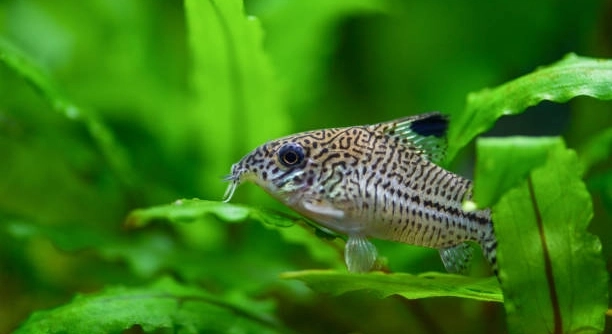
Corydoras catfish are popular aquarium pets, known for their peaceful nature and charming behaviors. However, many owners unknowingly make mistakes that can shorten their catfish’s lifespan. Understanding these errors is essential to ensuring a long, healthy life for your fish.
The most common mistakes that could shorten a Corydoras catfish’s lifespan include poor water quality, improper tank setup, overfeeding, incompatible tank mates, and neglecting their need for social interaction. These factors can lead to stress, illness, and premature death.
Making small adjustments to your catfish’s environment can help them thrive. By recognizing these common mistakes, you’ll be on your way to providing a healthier and longer life for your Corydoras catfish.
Poor Water Quality
One of the biggest factors affecting the health of Corydoras catfish is poor water quality. These fish are sensitive to changes in their environment, particularly when it comes to ammonia, nitrites, and nitrates. If these levels are too high, it can lead to stress, illness, or even death. Regular water changes are essential to maintain a clean environment. Even slight shifts in pH or temperature can cause problems, so monitoring these parameters is a must. If you’re not testing your water frequently, it’s time to start.
Keeping water clean and balanced can be easy with the right tools. A good filtration system, along with regular water checks, will help prevent many common issues. Don’t forget to clean the tank and decorations to prevent algae buildup, which can contribute to poor water conditions.
For Corydoras catfish to live a long, healthy life, water quality is one of the most crucial factors. Regular testing and maintenance will create a stable environment that promotes well-being and longevity for your fish.
Overfeeding
Overfeeding is another common mistake many catfish owners make. It can lead to bloated fish, poor water quality, and excess waste that affects the tank.
Feeding your Corydoras catfish in moderation is key. They are bottom-dwellers and naturally scavenge for food, so overfeeding only leads to uneaten food rotting in the tank, contributing to harmful water conditions. Stick to small, frequent feedings, and only give as much as they can consume in a few minutes.
This will help keep the water clean and prevent the stress that comes with overfeeding. Proper feeding habits ensure your catfish are healthy without unnecessary risks to their environment.
Incompatible Tank Mates
Corydoras catfish are peaceful and gentle creatures, but they can be stressed by aggressive or territorial tank mates. It’s important to choose tank mates that share similar temperaments. Aggressive fish can nip at their fins or bully them, causing long-term harm.
When selecting companions, make sure they’re calm and won’t disrupt the peaceful nature of the Corydoras. Fish like tetras or peaceful gouramis are good choices. Avoid keeping them with larger or more aggressive fish, such as cichlids or larger predatory species.
Stress from incompatible tank mates can weaken your catfish, making them more susceptible to illness. Choosing the right community fish is essential to maintaining a balanced and stress-free tank environment.
Incorrect Tank Setup
Corydoras catfish require a well-maintained tank with the proper setup to thrive. A tank that’s too small, lacks hiding spaces, or doesn’t have a soft substrate can cause stress. These fish need room to move around and burrow in the sand.
Using a fine, soft substrate is crucial since Corydoras like to dig and sift through the sand for food. Gravel or sharp objects can damage their sensitive barbels. A larger tank with plenty of hiding spots helps your catfish feel safe and secure.
If you’re using a smaller tank, you may notice your Corydoras becoming more anxious or unhealthy. A well-thought-out tank setup with proper space, substrate, and hiding places helps to ensure they remain calm and healthy.
Overcrowding the Tank
Overcrowding is a common mistake that can seriously harm your Corydoras catfish. A tank with too many fish creates competition for food and space, leading to stress and poor water quality.
When selecting the number of fish, make sure to follow the rule of thumb—about one inch of fish per gallon of water. Corydoras need space to swim and explore. If you overcrowd the tank, your catfish might suffer from a lack of oxygen and get stressed.
An overstocked tank can also make it harder to maintain water quality, leading to unhealthy conditions that could shorten your catfish’s lifespan.
Not Providing Enough Social Interaction
Corydoras are social fish, and they thrive when kept in groups. If kept alone or with just one other, they may feel lonely, leading to stress and weaker immunity.
A small group of 4 to 6 Corydoras will allow them to interact naturally, boosting their confidence and reducing stress. Keeping them in larger groups mimics their natural environment and allows them to feel secure.
Without proper social interaction, your catfish may become more prone to illness. Social fish are happier, healthier, and live longer when they have companions.
Poor Diet
Feeding your Corydoras catfish a poor diet can have long-term effects on their health. A varied diet of high-quality sinking pellets, live food, and occasional treats is important for their nutrition.
Avoid feeding them only one type of food, as this may lead to nutritional deficiencies. It’s also important not to overfeed them, as excess food can pollute the tank.
FAQ
How often should I clean my Corydoras catfish’s tank?
Cleaning your Corydoras catfish’s tank should be done regularly to maintain water quality. Aim for a 25-30% water change every one to two weeks, depending on the size of your tank and the number of fish. Additionally, clean the substrate with a gravel vacuum to remove uneaten food and waste. If your tank has a good filtration system, this will help keep the water in optimal condition. However, avoid overcleaning as it can disrupt the biological filtration. Clean your filter every month and check it regularly for clogs.
What temperature should my Corydoras catfish’s tank be?
Corydoras catfish prefer slightly warmer water, typically between 72°F and 78°F (22°C – 26°C). Temperatures outside this range can cause stress or illness. It’s important to use a reliable aquarium heater to maintain consistent warmth. Sudden temperature changes can shock the fish, so always adjust gradually if necessary. A stable environment is key to keeping your catfish healthy and active.
Can I keep Corydoras catfish with other species?
Yes, Corydoras catfish are peaceful and can live with many other fish species, but you need to ensure that tank mates are calm and non-aggressive. Avoid keeping them with large or territorial fish that could nip at their fins. Good choices for tank mates include peaceful tetras, guppies, and small gouramis. Be mindful of the size and temperament of any fish you add to the tank, as Corydoras need a stress-free environment to thrive.
What should I feed my Corydoras catfish?
Corydoras are bottom feeders, so they prefer sinking pellets or wafers designed for them. You can also supplement their diet with occasional live or frozen foods like bloodworms, brine shrimp, or daphnia. They enjoy snacking on algae, so adding some algae wafers to the tank can be a good idea. Make sure to feed them only what they can consume within a few minutes to avoid overfeeding, which can negatively impact water quality.
Can Corydoras catfish live in a tank without a filter?
While it’s possible to keep Corydoras in a tank without a filter, it’s not recommended. These fish are sensitive to water quality, and a filter helps maintain clean, oxygenated water. If you choose not to use a filter, you’ll need to perform frequent water changes, at least once a week, to keep ammonia, nitrites, and nitrates at safe levels. A sponge filter is a good alternative if you want to maintain gentle water movement that won’t disturb the catfish.
Do Corydoras catfish need a lid on their tank?
While Corydoras catfish aren’t known for jumping, it’s still a good idea to use a lid to prevent any unexpected escapes. Fish in general can jump when startled or during feeding times, and a lid can prevent this from happening. Additionally, a lid helps keep the tank temperature stable and prevents debris from falling into the water. A secure lid also helps maintain proper humidity around the tank if you’re using a heating system.
How can I tell if my Corydoras catfish is stressed?
Stressed Corydoras catfish may exhibit signs like erratic swimming, hiding more than usual, or becoming inactive. You might notice them rubbing their bodies against objects in the tank, a sign of irritation or discomfort. Additionally, their colors may become dull or faded, and they might stop eating. Stress can be caused by poor water quality, inappropriate tank mates, or environmental factors like improper temperature or substrate. Identifying stress early allows you to address the problem before it becomes severe.
How long do Corydoras catfish live?
Corydoras catfish can live between 5 to 10 years if cared for properly. Factors such as water quality, diet, and tank conditions play a major role in determining their lifespan. The healthier their environment, the longer they will live. Regular maintenance and attention to their specific needs can ensure they reach their full life expectancy. A well-maintained tank with proper social interaction and a balanced diet will help your catfish live a longer, happier life.
Should I add plants to my Corydoras tank?
Adding plants to a Corydoras tank is a great idea. Not only do plants enhance the tank’s aesthetic, but they also provide hiding spots for the catfish, making them feel more secure. Corydoras catfish like to hide in plants, especially when they feel threatened or need rest. Live plants also help improve water quality by absorbing nitrates. Avoid plants with sharp edges, as these could harm the delicate barbels of your catfish. Suitable plants for Corydoras include Java fern, Anubias, and Amazon swords.
What is the best substrate for Corydoras catfish?
The best substrate for Corydoras catfish is fine sand or smooth gravel. Since these fish like to sift through the substrate for food, sharp or large gravel can damage their sensitive barbels. Fine sand allows them to dig and sift without injury. It’s also easy to clean, as waste and uneaten food stay on top, making vacuuming easier. Avoid using large gravel or rough materials that could potentially harm your catfish. A soft, sandy substrate helps mimic their natural habitat and promotes healthier, happier fish.
Final Thoughts
Corydoras catfish are great additions to any aquarium, offering a peaceful presence and playful behavior. However, like any pet, they require proper care and attention to ensure they live a long, healthy life. From maintaining good water quality to providing a proper diet and tank setup, every aspect of their care is crucial. Avoiding common mistakes such as overfeeding, overcrowding, or keeping incompatible tank mates can make a significant difference in their well-being. By creating an environment that suits their needs, you give them the best chance to thrive.
It’s also important to remember that Corydoras catfish are social animals that prefer to be in groups. Keeping them with other peaceful fish in a well-maintained tank will help reduce stress and promote healthier, happier fish. A tank that provides enough space, hiding spots, and a soft substrate for digging will go a long way in supporting your catfish’s natural behaviors. Ensuring their environment remains stable, with consistent water temperature and regular maintenance, helps prevent common problems that could shorten their lifespan.
In the end, the key to keeping Corydoras catfish healthy is attention to detail. Regular water changes, a balanced diet, and a stress-free environment are all essential parts of their care. By avoiding the mistakes discussed here and keeping their needs in mind, you will be rewarded with a long-lasting and vibrant fish that will brighten up your aquarium for years to come. Simple changes in their care routine can lead to big improvements in their quality of life.

Hello,
If you enjoy the content that we create, please consider saying a "Thank You!" by leaving a tip.
Every little bit helps us continue crafting quality advice that supports the health, happiness, and well-being of pets around the world, for pets of all shapes, sizes, and species.
We really appreciate the kindness and support that you show us!