
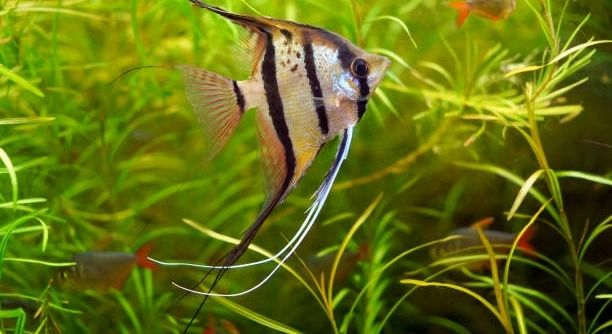
Angelfish are beautiful and delicate creatures that require proper care to stay healthy. However, there are common mistakes that many fish owners unknowingly make. These mistakes could lead to poor health and discomfort for your angelfish.
Several factors could be affecting your angelfish’s health. Improper water conditions, poor diet, overcrowding, and incompatible tankmates are common issues. These factors can weaken your angelfish’s immune system, leading to stress, diseases, and even premature death.
Taking small steps to adjust these factors can improve your angelfish’s overall well-being. Ensuring proper water quality, feeding balanced meals, and avoiding overcrowding are essential steps to support their health.
Improper Water Conditions
Water quality plays a significant role in the health of your angelfish. Poor water conditions can stress your fish, making them more susceptible to diseases. Angelfish thrive in warm, clean water with a pH level between 6.8 and 7.8. Regular water changes, around 25% weekly, can help maintain the right environment.
Many people overlook the importance of proper filtration. A good filter keeps the water clean by removing debris, waste, and excess nutrients that could lead to algae growth or poor water quality. Testing your water regularly for ammonia, nitrite, and nitrate levels is also essential.
If your angelfish are stressed by bad water conditions, they may become lethargic, lose color, or show signs of illness. Without proper filtration and regular cleaning, your fish may struggle to thrive. Keep the water at the right temperature and ensure a stable, well-maintained tank to support your angelfish’s health.
Overfeeding
Feeding your angelfish too much is a common mistake. Overfeeding can lead to water quality problems due to uneaten food decaying in the tank.
Providing food in small, manageable portions ensures that your fish are getting the right nutrition without excess waste. A balanced diet consisting of flakes, pellets, and occasional live or frozen food is essential. Overfeeding increases the risk of bloating and obesity in angelfish, leading to a shorter lifespan.
Angelfish can survive on one or two feedings a day. Ensuring you do not overfeed will also help maintain better water quality and reduce the risk of water-borne illnesses. By feeding the right amount, you will contribute to a healthier and longer life for your fish.
Overcrowding the Tank
When there are too many fish in a tank, it can create stress for your angelfish. Crowded conditions reduce swimming space, increase waste levels, and lead to a build-up of harmful toxins in the water. This environment is harmful to their health.
Overcrowding can also cause aggressive behavior between fish. Angelfish, though generally peaceful, can become territorial, especially when there isn’t enough room. With limited space, they may fight with each other or other tankmates. Stress from this can lower their immune system and make them more susceptible to diseases.
It’s important to maintain an appropriate fish-to-tank ratio. A good rule of thumb is one inch of fish per gallon of water. By keeping the tank understocked, you reduce the chances of stress, aggression, and water quality problems, promoting a healthier environment for your angelfish.
Incompatible Tankmates
Angelfish can be peaceful but might struggle with certain tankmates. Aggressive fish or species that invade their space can cause stress, which harms their health. Researching compatible species is key to ensuring a peaceful tank environment.
Some fish, like fin-nipping species or fast-moving fish, may harass angelfish. Even if the fish are not aggressive, incompatible tankmates can make angelfish feel threatened, leading to increased stress. This can result in health problems like weakened immune systems or weight loss.
To avoid this, choose peaceful tankmates that won’t invade the angelfish’s territory. Consider fish that share similar water preferences, including temperature and pH. This way, your angelfish will feel safe, and the entire tank environment will thrive.
Poor Diet
A poor diet can lead to malnutrition, affecting your angelfish’s health. Without the right balance of nutrients, they may become weak, lose color, or even suffer from digestive issues. It’s important to feed them high-quality food.
Feeding your angelfish a variety of foods will ensure they receive a balanced diet. Use a mix of pellets, flakes, and occasional live or frozen food. Avoid over-relying on one type of food, as it may lack necessary nutrients. A well-rounded diet helps maintain strong immune systems and promotes vibrant color.
Stress from Rapid Water Changes
Angelfish are sensitive to sudden changes in their environment. Rapid water changes can cause them stress, which can negatively impact their health.
When making water changes, try to adjust gradually. A sudden drop in temperature or drastic fluctuations in pH can shock your fish, leading to health issues. Consistent, smaller water changes are better for maintaining stability. Keeping the water’s temperature and chemical levels steady helps prevent unnecessary stress, allowing your angelfish to thrive.
Lack of Proper Tank Maintenance
Without regular tank maintenance, harmful waste and debris build up quickly. This leads to poor water quality and can cause health problems for your angelfish.
A clean tank is essential for their well-being. Clean your tank regularly by removing excess waste, vacuuming the substrate, and checking the filter. Regular water testing is also important. Keeping the tank clean will reduce stress on your fish and help prevent diseases.
FAQ
What temperature should I keep my angelfish tank at?
Angelfish thrive in temperatures between 76°F and 82°F (24°C to 28°C). Keeping the water within this range helps maintain their immune system and overall health. Sudden changes in temperature can stress them out, so make sure to use a reliable heater to keep the tank at a stable temperature.
How often should I change the water in my angelfish tank?
It’s recommended to change 25% of the tank water every week. This helps maintain water quality by removing excess nutrients, toxins, and waste. Larger tanks may require less frequent changes, but regular water changes are crucial to prevent harmful build-up.
What type of filter is best for an angelfish tank?
Angelfish need a filter that provides gentle filtration without creating strong currents. Look for a filter rated for the size of your tank that offers adjustable flow settings. A sponge filter or a canister filter with adjustable flow can work well, depending on your tank’s setup.
Can angelfish live with other fish?
Yes, angelfish can live with other peaceful fish. However, they may become territorial, especially when breeding. Avoid housing them with aggressive or fin-nipping species. Good tankmates include tetras, corydoras catfish, and peaceful gouramis. Make sure all fish in the tank are compatible with each other’s temperament.
How can I tell if my angelfish is sick?
Signs of illness in angelfish include faded colors, loss of appetite, unusual swimming patterns, or clamped fins. If your fish is hiding, rubbing against objects, or showing physical signs like spots or lesions, it’s important to check the water quality and consider seeking advice from an aquatic vet.
What should I feed my angelfish?
A varied diet is essential for your angelfish. Feed them high-quality flakes or pellets designed for angelfish. You can also provide occasional live or frozen foods, such as brine shrimp, bloodworms, or daphnia. These will add variety and ensure they get all the necessary nutrients.
Can I keep angelfish in a small tank?
While it’s possible to keep angelfish in a smaller tank, it’s not recommended. Angelfish grow quite large, and a tank smaller than 20 gallons can lead to overcrowding and stress. A tank size of at least 29 gallons is ideal to give them enough space to swim and thrive.
How do I breed angelfish?
Breeding angelfish requires a separate breeding tank with stable water conditions. The pH should be slightly acidic (around 6.5 to 7.0), and the water temperature should be between 80°F and 82°F. Provide flat surfaces for the fish to lay eggs on, such as a smooth rock or leaf. Once the eggs are laid, both parents typically guard the eggs and fry.
What is the lifespan of an angelfish?
Angelfish typically live for about 10 years when kept in proper conditions. However, with excellent care, some angelfish can live even longer. Consistent water quality, a balanced diet, and stable tank conditions all play a key role in ensuring a long, healthy life.
Do angelfish need live plants in their tank?
While live plants are not a necessity, they do provide benefits to an angelfish tank. Plants help maintain water quality by absorbing excess nutrients, and they offer hiding spots, which can help reduce stress for your fish. They also provide a more natural-looking environment.
How do I prevent aggression among angelfish?
Aggression is common among angelfish, especially during breeding. To reduce this, ensure that the tank is large enough and has plenty of hiding spaces. It’s also helpful to keep multiple females and only one male to minimize territorial disputes. Keeping the water quality high and offering plenty of plants can also reduce stress and aggression.
What should I do if my angelfish’s fins are torn?
Torn fins can result from aggression or rough tank conditions. If your angelfish’s fins are damaged, check the tank for aggressive tankmates or sharp decorations. You can treat fin damage with aquarium salt and ensure the water quality is optimal to promote healing. It’s also important to maintain good tank hygiene to prevent infections.
Are angelfish aggressive?
Angelfish are generally peaceful but can be territorial, especially when breeding. They may become aggressive towards other fish that invade their space or when they feel threatened. It’s important to give them enough space and avoid overcrowding to reduce aggression.
Can I use tap water for my angelfish tank?
You can use tap water for your angelfish tank, but it’s essential to treat it with a water conditioner to remove chlorine and chloramine. Tap water may also have fluctuating pH and hardness levels, so it’s a good idea to test the water regularly to ensure it’s within safe ranges for your angelfish.
What is the best way to introduce new fish to my angelfish tank?
When introducing new fish, do so slowly to prevent stress. Quarantine the new fish in a separate tank for a week to ensure they’re healthy. Then, introduce them into the main tank during low-light hours. This will reduce territorial aggression from your angelfish. Monitor their behavior closely for the first few days.
Final Thoughts
Maintaining the health of your angelfish requires consistent care and attention. By understanding their needs and addressing common mistakes, you can ensure they live long and healthy lives. Regular tank maintenance, proper diet, and stable water conditions are key elements in providing a suitable environment for your angelfish. It’s important to recognize the signs of stress, illness, and poor water quality early so you can address the issues before they become more serious.
Being proactive about your angelfish’s care is crucial. This means monitoring the water temperature, making sure their diet is well-rounded, and regularly checking water parameters like pH, ammonia, and nitrite levels. Additionally, keep a watchful eye on their behavior. Any signs of distress, such as swimming erratically or losing color, should prompt an immediate check of the tank’s conditions. Regular water changes, along with ensuring that your tank is clean and free from debris, will help to maintain a healthy environment.
Lastly, remember that every fish is unique, and what works for one may not work for another. Keep learning and adapting your care routine to suit the needs of your angelfish. Whether you are a beginner or an experienced aquarist, patience and attention to detail will go a long way in ensuring your angelfish thrive. By staying consistent with proper care, you can enjoy the beauty and elegance of these amazing fish for many years.

Hello,
If you enjoy the content that we create, please consider saying a "Thank You!" by leaving a tip.
Every little bit helps us continue crafting quality advice that supports the health, happiness, and well-being of pets around the world, for pets of all shapes, sizes, and species.
We really appreciate the kindness and support that you show us!