
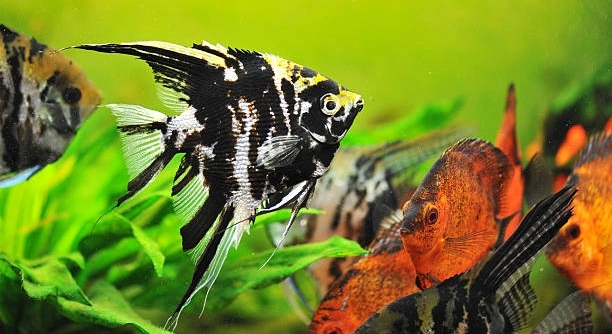
Angelfish are beautiful and delicate creatures, often thriving in well-maintained aquariums. However, small mistakes in their care can lead to stress or health problems. Understanding what could be harming them is essential for a happy tank environment.
Certain mistakes, often unnoticed, can cause harm to angelfish. Factors like improper water conditions, unsuitable tankmates, overfeeding, and inconsistent care routines can contribute to stress, weakened immune systems, or even death. Correcting these issues is crucial for their well-being.
Recognizing these mistakes will help ensure the long-term health of your angelfish. Understanding their needs and how to avoid common errors can improve their quality of life in your aquarium.
Incorrect Water Conditions
Water quality plays a vital role in the health of angelfish. These fish are sensitive to water temperature, pH, hardness, and ammonia levels. Small changes in the tank’s water can cause stress, weaken their immune systems, and even lead to disease. Regular testing and maintenance are essential.
When the water is too warm or too cold, it can strain angelfish. Ammonia levels, often from uneaten food or waste, can also be harmful. High ammonia or nitrites can quickly stress them out, making them more vulnerable to illness. Regular water changes and using proper filtration help manage this.
A consistent water temperature between 76°F and 82°F is ideal for angelfish. pH should be between 6.5 and 7.5, and the water hardness should remain moderate. Proper filtration removes waste, and routine water changes prevent harmful substances from building up. Maintaining these conditions creates a healthier environment for your angelfish.
Poor Tankmates
Tankmates are another factor that can harm your angelfish. Aggressive or overly active fish may stress them out. It’s important to choose companions that are peaceful and can coexist with angelfish.
Tankmates should not outcompete angelfish for food or invade their space. Adding overly aggressive species, such as large cichlids, may lead to territorial disputes. Peaceful fish like tetras and catfish are good choices. They will not compete with angelfish for food or space, helping them feel secure in their environment.
Angelfish thrive in peaceful, well-planned aquariums where every species has its place. Stress from tankmates can affect their health, causing them to become more susceptible to diseases and less active. Ensuring that each fish in the tank has ample space and proper care will help keep everyone happy and healthy.
Overfeeding
Overfeeding angelfish can lead to several health problems. It can cause excess waste buildup, which degrades water quality and increases the risk of diseases. Additionally, angelfish are prone to obesity, which affects their mobility and overall health.
It’s essential to feed angelfish the right amount of food. Giving them too much food results in uneaten portions, leading to water contamination. Uneaten food starts to rot, releasing harmful substances into the water. This makes regular water changes even more important. To avoid overfeeding, feed them only what they can consume in a few minutes.
A good rule of thumb is to feed angelfish once or twice a day. The portion should be small enough that they finish it quickly, ensuring minimal waste. If you notice uneaten food at the bottom of the tank, reduce the portion next time. Maintaining proper feeding habits keeps your fish healthy and the tank clean.
Inconsistent Water Temperature
Angelfish need a stable water temperature to thrive. Temperature fluctuations can cause stress, making them vulnerable to illness. A reliable heater and thermometer will help maintain consistent conditions, keeping the fish comfortable.
Angelfish prefer water between 76°F and 82°F. Anything below or above this range can cause discomfort and slow their metabolism. Significant temperature changes can even result in shock. It’s important to check the temperature regularly and adjust the heater as needed. Keeping the water temperature steady ensures a healthy, active angelfish.
Investing in a quality aquarium heater with a thermostat can help keep the temperature in check. Avoid placing the tank near windows, air conditioners, or heaters, as these can cause sudden temperature shifts. By maintaining stable water conditions, you support the well-being of your angelfish.
Using the Wrong Substrate
The wrong type of substrate can harm angelfish. Sharp gravel or rough surfaces can injure them, causing stress and infections. It’s best to choose smooth, fine-gravel or sand to create a safe and comfortable environment.
A soft substrate is particularly important for angelfish as they often like to sift through it. Rough materials can damage their delicate fins or gills. Fine gravel or sand gives them space to explore without the risk of injury. Choose a substrate that is easy to clean to maintain water quality.
By ensuring the substrate is suitable for angelfish, you provide them with a safer, more comfortable home. This reduces the risk of injury and stress, improving their overall health and happiness.
Poor Filtration
A good filtration system is crucial for maintaining water quality. Without it, waste, uneaten food, and toxins can accumulate, leading to poor water conditions. A strong filtration system ensures the tank stays clean and angelfish stay healthy.
Filtration helps remove harmful substances, balancing the water’s ammonia, nitrate, and nitrite levels. A high-quality filter keeps debris from building up, while maintaining the right biological balance. Without proper filtration, angelfish are more likely to become stressed or ill. This is especially true for tanks with multiple fish or heavy feeding routines.
Regularly cleaning the filter and ensuring it works effectively will help keep the water in your tank clean. A well-maintained filtration system reduces the chance of disease and improves the quality of life for your angelfish.
Inadequate Tank Size
Angelfish require enough space to swim freely and establish territories. A tank that’s too small can lead to stress, aggression, and poor health. A minimum of a 30-gallon tank is recommended for a small group of angelfish.
A cramped tank doesn’t give angelfish room to explore or maintain natural behaviors. When they feel confined, they become stressed, and their immune system weakens. A larger tank allows for proper filtration, easier maintenance, and a more natural environment. It also makes it easier to regulate water parameters, providing a stable habitat for your fish.
If you plan on adding more fish or plants, opt for a larger tank. This will give your angelfish plenty of room to thrive and stay healthy in their environment.
FAQ
What is the best temperature for angelfish?
Angelfish thrive in water temperatures ranging from 76°F to 82°F. Keeping the temperature within this range ensures they stay comfortable and healthy. Any sudden changes outside of this range can cause stress or even lead to illness. It’s important to maintain a steady temperature by using a reliable aquarium heater and thermometer. This will prevent fluctuations that could harm the fish.
How often should I feed my angelfish?
Angelfish should be fed once or twice a day. Feed only what they can consume in a few minutes to avoid overfeeding and waste buildup. Overfeeding can cause poor water quality and lead to health problems. Remove any uneaten food after feeding to maintain the cleanliness of the tank. Offering a variety of foods, such as pellets, flakes, and occasional live or frozen treats, will help keep them nourished and happy.
Can I keep multiple angelfish together?
Yes, angelfish are social and can live in groups, but you need to provide enough space. A 30-gallon tank is ideal for a small group of angelfish. Keeping too many in a small space can lead to territorial disputes, stress, and aggression. It’s best to introduce angelfish in a well-planned tank, ensuring that there is enough space and hiding spots for them to feel secure.
What tankmates are good for angelfish?
Peaceful fish like tetras, rasboras, and catfish are good tankmates for angelfish. Avoid aggressive species like large cichlids, which could cause stress and harm to your angelfish. It’s important to select fish that won’t compete aggressively for food or space. Tankmates should also be of a similar size to prevent bullying.
How can I tell if my angelfish is stressed?
Signs of stress in angelfish include unusual swimming behavior, such as staying near the surface or hiding. You may also notice that they stop eating, become less active, or their colors may fade. Stress can result from poor water quality, incorrect tankmates, or changes in the environment. Identifying the cause of stress quickly is important to prevent further health issues.
What should I do if my angelfish are showing signs of illness?
If your angelfish are sick, first check water quality. Ensure the temperature, pH, and ammonia levels are within the appropriate range. If these factors are correct, you may need to isolate the sick fish in a quarantine tank to avoid spreading any potential diseases. Look for signs like white spots, faded colors, or unusual swimming patterns. Consult with an aquarium professional for guidance on the appropriate treatments.
How do I prevent algae growth in my angelfish tank?
Algae thrive in tanks with excess nutrients, especially from uneaten food and waste. To prevent algae growth, ensure you are not overfeeding your angelfish. Regular water changes, proper filtration, and avoiding direct sunlight exposure will also help keep algae in check. Adding algae-eating species like snails or certain fish can help control algae growth naturally.
What kind of substrate is best for angelfish?
Angelfish do best with a smooth, fine-gravel or sand substrate. Sharp or rough materials can damage their delicate fins or gills. A soft substrate allows them to sift through it without risk of injury. It’s also easy to clean, which helps maintain water quality. Avoid using large, sharp rocks that can harm your fish.
How often should I clean the tank?
Regular tank maintenance is essential for angelfish health. Perform partial water changes every week, removing around 20-30% of the water. Clean the filter monthly to ensure it is working properly. You should also vacuum the substrate to remove debris and uneaten food. Keeping the tank clean will help maintain water quality and prevent disease.
Do angelfish need a filter?
Yes, angelfish need a filter to keep their water clean. Filters help remove waste, uneaten food, and harmful chemicals from the tank. A good filter ensures that the water stays oxygenated and free from toxins like ammonia and nitrites. Choose a filter appropriate for the size of your tank to ensure it’s effective.
Can I keep angelfish in a community tank?
Angelfish can live in a community tank, but care must be taken when choosing tankmates. They can be peaceful, but they are territorial, especially when breeding. Avoid keeping them with overly aggressive or small fish that might become targets. Providing enough space and hiding spots will help reduce aggression and allow all fish to coexist peacefully.
How can I breed angelfish?
To breed angelfish, provide a breeding pair with a suitable tank, typically around 30 gallons or larger. Ensure the water quality is excellent, with a slightly acidic pH and a temperature of around 80°F. Add a flat surface like a rock or broadleaf plant for the female to lay her eggs. After the eggs are fertilized, the parents will guard the eggs and fry until they hatch. Be prepared for the fry’s needs as they grow, such as feeding them small live or powdered foods.
What can I do if my angelfish is swimming erratically?
Erratic swimming can indicate stress or illness in angelfish. First, check the water parameters, ensuring they are within the correct range. Look for signs of disease, such as faded color or lesions. If no clear cause is found, consider water temperature fluctuations or poor water quality as potential issues. If symptoms persist, isolate the fish and seek treatment.
Are angelfish hardy fish?
Angelfish are relatively hardy but still require stable water conditions to thrive. They are sensitive to poor water quality, temperature fluctuations, and stress from overcrowding. With proper care, angelfish can live for several years in a well-maintained tank. Regular water testing and appropriate tank maintenance are key to keeping them healthy.
Final Thoughts
Caring for angelfish requires attention to detail and an understanding of their needs. These fish are not difficult to care for, but they do require a stable and clean environment. Ensuring proper water conditions, a suitable tank size, and appropriate tankmates will make a big difference in their health and well-being. Regular maintenance, such as water changes, substrate cleaning, and checking filtration, helps maintain the right conditions for your angelfish. Providing a comfortable home for your angelfish will not only ensure their happiness but also allow them to thrive.
Feeding your angelfish the right foods and at the right times is another key element in their care. Overfeeding can lead to poor water quality, which is harmful to the fish. Offering a balanced diet that includes a mix of pellets, flakes, and occasional live or frozen treats will provide the nutrients they need. It’s also important to remember that angelfish have delicate digestive systems, so feeding them in moderation is essential. Keeping a close eye on their eating habits can help you spot any signs of stress or illness early.
Lastly, patience and observation are crucial when caring for angelfish. Each fish has its own personality, and it can take time for them to adjust to a new environment. Pay attention to their behavior, as changes in swimming patterns, appetite, or appearance can indicate stress or health issues. Regularly checking water quality and making adjustments as needed will help prevent problems before they become serious. By staying proactive and informed, you can enjoy healthy and beautiful angelfish for many years.

Hello,
If you enjoy the content that we create, please consider saying a "Thank You!" by leaving a tip.
Every little bit helps us continue crafting quality advice that supports the health, happiness, and well-being of pets around the world, for pets of all shapes, sizes, and species.
We really appreciate the kindness and support that you show us!