
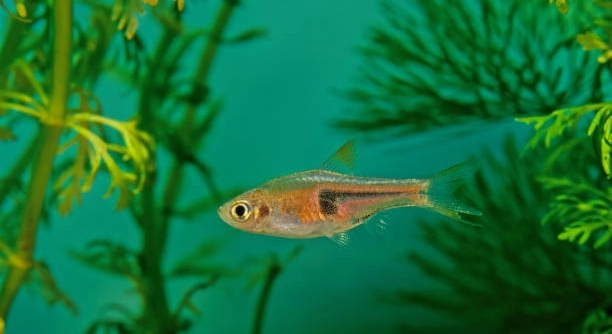
Rasboras are popular aquarium fish known for their vibrant colors and peaceful nature. Despite their hardiness, they can fall ill due to common mistakes made by fishkeepers. Recognizing these errors early can help maintain a healthy environment for your rasboras.
Several factors contribute to rasbora illness, including poor water quality, overcrowding, inadequate diet, sudden temperature changes, improper tank maintenance, stress from incompatible tank mates, and lack of quarantine for new fish. These mistakes disrupt their delicate balance and weaken their immune system.
Knowing these mistakes allows you to improve care and prevent illness. A closer look at each factor will help you create a healthier habitat for your rasboras.
Poor Water Quality
Maintaining clean water is essential for keeping rasboras healthy. Dirty or polluted water stresses the fish and makes them vulnerable to illness. Common causes include infrequent water changes, overfeeding, and inadequate filtration. Waste buildup releases harmful toxins like ammonia and nitrites, which damage the fish’s gills and immune system. Even slight changes in pH or hardness can upset their balance. Testing water regularly and performing partial water changes help keep the environment stable. It’s important to avoid using tap water with chlorine or chloramine unless it is properly treated. Watching for signs such as cloudy water or algae growth can indicate poor water quality.
Clean water helps rasboras thrive and resist disease.
Regular water testing and consistent maintenance protect your fish from many common illnesses and support their overall well-being.
To maintain good water quality, perform weekly partial water changes of about 25%. Use a reliable filter rated for your tank size, and avoid overcrowding to reduce waste production. Feeding sparingly prevents excess food from decaying in the tank. Treat tap water with a dechlorinator before adding it to the tank. Regularly test the water for ammonia, nitrites, nitrates, pH, and hardness, keeping values within safe ranges for rasboras. This approach reduces stress and helps keep your fish healthy and vibrant.
Overcrowding and Stress
Overcrowding causes stress by limiting space and increasing waste.
Too many fish in one tank raises aggression and weakens immune systems, making rasboras more prone to disease.
Providing adequate space, hiding spots, and compatible tank mates lowers stress. Stress reduces resistance to infections, so maintaining a calm environment is crucial. A general rule is one inch of fish per gallon of water, but active swimmers like rasboras need more space. Observe fish behavior and separate aggressive individuals to prevent harm. Stress can cause lethargy, loss of appetite, and color fading. Keeping the tank balanced and peaceful supports healthier fish and fewer illnesses.
Inadequate Diet
A poor diet weakens rasboras’ immune systems and slows recovery from illness.
Feeding only one type of food can lead to nutrient deficiencies. Rasboras thrive on a varied diet, including high-quality flakes, frozen or live foods like brine shrimp, daphnia, and bloodworms. Overfeeding causes water pollution and can also harm their health. It’s best to feed small amounts two to three times daily and remove uneaten food promptly. Balanced nutrition supports strong immune function and vibrant colors.
Providing varied, nutrient-rich food improves overall health and resilience. Avoid sudden diet changes, as these can cause digestive problems. Watching for signs like loss of appetite or weight loss helps catch dietary issues early.
Sudden Temperature Changes
Temperature fluctuations stress rasboras and can trigger illness.
Rasboras need stable water temperatures, usually between 72°F and 78°F. Sudden drops or rises can shock their systems, lowering their defenses against disease. Avoid placing the tank near windows, heaters, or air conditioners that cause rapid temperature shifts. Using a reliable aquarium heater with a thermostat helps maintain steady warmth.
Gradual adjustments in temperature are necessary if changes are needed for tank maintenance or acclimating new fish. Monitoring with a thermometer ensures conditions stay within a safe range. Keeping temperature stable promotes comfort and reduces stress-related health problems in your fish.
Improper Tank Maintenance
Neglecting regular cleaning and filter upkeep causes waste buildup. This creates harmful conditions for rasboras.
Cleaning the tank, replacing filter media, and removing debris are essential tasks. Without proper maintenance, harmful bacteria and toxins increase, leading to illness and stress in fish.
Incompatible Tank Mates
Some fish species are aggressive or territorial and can stress rasboras. Choosing peaceful, compatible tank mates helps keep the environment calm.
Rasboras do best with other small, non-aggressive fish. Avoid larger or overly active species that may bully or injure them.
Lack of Quarantine
Skipping quarantine when adding new fish risks introducing diseases to the tank.
Isolating new fish for a few weeks helps detect and treat illnesses before mixing them with healthy rasboras. This simple step protects the entire aquarium population.
FAQ
What are the most common signs that my rasbora is sick?
Common signs include lethargy, loss of appetite, faded colors, clamped fins, and unusual swimming patterns. You might notice spots or lesions on their bodies or difficulty breathing near the surface. Early detection helps prevent serious illness and improves chances of recovery.
How often should I test the water in my rasbora tank?
Testing water weekly is ideal. Check for ammonia, nitrites, nitrates, pH, and hardness levels. Keeping these parameters stable prevents stress and disease. If you notice sudden changes in fish behavior, test the water immediately to catch potential problems early.
Can overcrowding really cause illness in rasboras?
Yes, overcrowding increases waste buildup and stress. Both factors weaken the immune system, making fish more vulnerable to infections. It also encourages aggression, which can injure or stress rasboras. Maintaining proper stocking levels is key to their health.
What type of food is best for keeping rasboras healthy?
A varied diet works best. Include high-quality flakes or pellets formulated for tropical fish, supplemented with frozen or live foods like brine shrimp, daphnia, and bloodworms. Avoid overfeeding to reduce water pollution and digestive issues.
How do sudden temperature changes affect my rasboras?
Rapid shifts in temperature stress fish, lowering their immunity and making them prone to disease. Rasboras prefer stable temperatures between 72°F and 78°F. Use a heater with a thermostat and avoid placing the tank near drafts or heat sources.
Why is quarantine important for new fish?
Quarantine isolates new arrivals, preventing the spread of diseases to established fish. Many illnesses are contagious and can quickly infect the whole tank. A quarantine period of two to four weeks allows for observation and treatment if needed.
How often should I clean my rasbora tank?
Partial water changes of 20-30% weekly are recommended. Clean the substrate, remove uneaten food, and check filter media regularly. Avoid over-cleaning that disrupts beneficial bacteria, as they help maintain a healthy tank environment.
What are signs of stress in rasboras?
Signs include hiding frequently, loss of color, erratic swimming, and refusal to eat. Stress often results from poor water quality, overcrowding, incompatible tank mates, or sudden environmental changes. Reducing stress improves health and reduces disease risk.
Can stress cause rasbora illness?
Yes, stress weakens the immune system, making rasboras more susceptible to infections. Managing tank conditions, maintaining water quality, and providing a calm environment are essential for preventing stress-related illnesses.
How do I know if my filtration system is working properly?
Clear water and active fish are good indicators. Check for steady water flow and clean filter media regularly. If the water appears cloudy or smells bad, the filter may need maintenance. Proper filtration helps remove toxins and maintain water quality.
Is overfeeding harmful to rasboras?
Yes, overfeeding causes leftover food to decay, polluting the water and increasing harmful toxins. It also leads to obesity and digestive problems. Feed small amounts two to three times daily and remove uneaten food promptly.
Can I keep rasboras with other fish species?
Rasboras do well with peaceful, small fish like tetras or danios. Avoid aggressive or large species that might stress or harm them. Compatibility supports a calm tank environment and reduces the risk of injury or stress.
How long does it take for rasboras to recover from illness?
Recovery time varies depending on the illness and treatment. Mild cases may improve within a week, while severe infections can take several weeks. Prompt treatment and stable tank conditions are critical for faster recovery.
What should I do if I notice white spots on my rasboras?
White spots often indicate ich, a common parasitic infection. Isolate affected fish and treat with appropriate medications. Raise the water temperature slightly and maintain good water quality to help eliminate the parasite.
Can poor water quality cause rasboras to develop fin rot?
Yes, poor water conditions encourage bacterial infections like fin rot. Maintaining clean water with regular changes and proper filtration helps prevent this painful condition. Early treatment improves chances of full recovery.
Final Thoughts
Taking care of rasboras requires attention to several important details. Maintaining clean water, providing a balanced diet, and avoiding overcrowding are essential steps. These factors directly affect the fish’s health and well-being. Even small mistakes can lead to stress and illness, but with proper care, rasboras can thrive in a home aquarium. Consistency in maintenance routines is key to preventing many common problems that cause illness.
Temperature stability and a peaceful environment also play major roles in keeping rasboras healthy. Sudden changes in water temperature or aggressive tank mates can cause stress, which lowers the fish’s immune system. Stress makes it easier for diseases to take hold. Keeping the tank conditions steady and choosing compatible fish helps create a calm and comfortable space for rasboras to live. This reduces the chances of health issues.
Finally, quarantining new fish before adding them to the main tank protects your rasboras from infections. Many diseases are contagious and can quickly spread to healthy fish. Quarantine gives you time to observe and treat any problems before mixing new fish with established ones. Paying attention to these important steps can help ensure your rasboras stay healthy and live longer. Careful, consistent care is the best way to enjoy the beauty and peaceful nature of these colorful fish.

Hello,
If you enjoy the content that we create, please consider saying a "Thank You!" by leaving a tip.
Every little bit helps us continue crafting quality advice that supports the health, happiness, and well-being of pets around the world, for pets of all shapes, sizes, and species.
We really appreciate the kindness and support that you show us!