
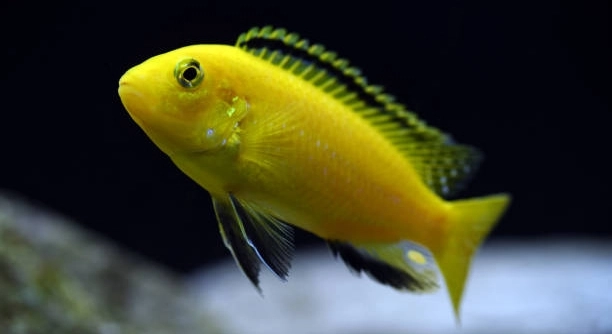
Keeping a cichlid tank healthy can be challenging for many hobbyists. Even with proper equipment, small mistakes can lead to stress, aggression, and water issues. Observing behavior and environment closely is key to maintaining a balanced aquarium.
Cichlid tank chaos often results from common errors such as overstocking, poor water quality management, incorrect diet, incompatible tank mates, inadequate hiding spots, improper filtration, and neglecting regular maintenance routines, all of which disrupt stability and fish health.
Recognizing these mistakes early allows you to prevent long-term issues and maintain a peaceful, thriving environment for your cichlids to flourish.
Overcrowding the Tank
Many people get excited about filling their tank with colorful cichlids, but too many fish can quickly create chaos. Overcrowding increases stress, competition for territory, and aggression. It also leads to poor water quality as more waste accumulates than the filtration system can handle. Even if fish appear healthy at first, overcrowding can weaken their immune systems and make them more prone to disease. Cichlids need space to swim, hide, and establish territories. Smaller tanks require fewer fish to maintain balance. Observing behavior is crucial; constant chasing, hiding, or nipped fins indicate the tank may be too full. Adjusting the number of fish or upgrading the tank size can reduce stress and improve overall harmony. Planning before adding new fish ensures each cichlid has enough room. Proper spacing also helps maintain water parameters and reduces the frequency of emergency cleanings, giving you a calmer, more enjoyable aquarium.
Limiting fish to the tank’s capacity ensures better behavior, stable water quality, and healthier, less stressed cichlids overall.
Overcrowding is often overlooked by those new to keeping cichlids. Many focus on aesthetics rather than the practical needs of the fish. Too many fish in a confined space result in constant territorial disputes. Hiding spots may be insufficient, forcing weaker fish into corners or under decorations, which increases stress levels. Stress can lower immunity, making cichlids more susceptible to infections. Additionally, overstocked tanks produce more ammonia, nitrites, and nitrates, which can harm both fish and beneficial bacteria. Filtration systems, even if rated for larger tanks, may struggle to keep up. Frequent water changes can help temporarily, but long-term solutions require reducing numbers or providing more space. Observing feeding behavior can reveal conflicts, as dominant fish may monopolize food while others starve. Creating a balanced, well-spaced environment promotes natural behavior and long-term health.
Poor Water Quality
Neglecting water testing and maintenance quickly leads to unstable conditions. High ammonia and nitrite levels stress fish and promote disease outbreaks.
Regular testing, partial water changes, and cleaning substrate prevent harmful buildup and support healthy, active cichlids in the tank.
Maintaining water quality requires consistency and attention. Skipping weekly tests can allow toxic compounds to rise unnoticed. Water parameters such as pH, hardness, and temperature need to remain stable, as sudden changes shock cichlids. Filtration must match tank size and bioload, and filters should be cleaned without disrupting beneficial bacteria. Uneaten food, decaying plants, and waste increase nitrate levels, which can stunt growth and encourage algae blooms. Partial water changes dilute toxins and restore balance, while vacuuming the substrate removes hidden debris. Even if fish appear healthy, small imbalances weaken their immune system over time. Monitoring water and responding promptly ensures a stable environment that promotes natural behaviors, bright coloration, and longevity for all fish in the tank.
Incompatible Tank Mates
Adding cichlids that do not get along causes constant fighting and stress. Aggressive species can dominate, injuring or killing weaker fish. Avoid mixing territorial cichlids with passive or smaller species. Proper research before adding new fish prevents unnecessary conflict and maintains a peaceful environment.
Choosing tank mates requires understanding species behavior and temperament. Some cichlids are naturally aggressive and will establish dominance, especially during breeding or when territory is limited. Mixing these with calm, slow-moving fish often leads to bullying or injuries. Even fish of similar size can clash if their territorial needs differ. Providing plenty of hiding spots and visual barriers can reduce aggression, but cannot fully eliminate conflict between incompatible species. Observing interactions daily helps identify problems early, allowing adjustments before serious harm occurs. Compatibility ensures all fish can thrive without constant stress or injury.
Properly managing tank mates also involves monitoring growth rates and activity levels. Rapidly growing cichlids can outcompete smaller fish for food, causing uneven nutrition and stunted development. Environmental enrichment, such as rocks, caves, and plants, gives fish options to escape aggression, but space alone does not guarantee harmony. Feeding multiple areas of the tank and maintaining consistent routines minimizes disputes during meal times. Adjusting stocking density and removing overly aggressive individuals can restore balance. By prioritizing compatibility, cichlids are less likely to develop chronic stress, which promotes stronger immune systems, better coloration, and more natural behavior patterns over time.
Improper Diet
Feeding cichlids an incorrect diet can weaken them and trigger health issues. Some species need protein-rich foods, while others require plant-based diets. Offering varied, species-appropriate meals supports growth, coloration, and overall vitality. Avoid overfeeding to prevent water quality problems.
A balanced diet tailored to each species is essential. Herbivorous cichlids need algae, spirulina, and vegetable matter, while carnivorous species require high-protein foods such as pellets, insects, or small crustaceans. Overfeeding can lead to obesity, poor digestion, and excess waste, which strains filtration systems. Uneaten food decomposes, raising ammonia and nitrate levels, further stressing the tank. Feeding in small portions multiple times a day ensures all fish receive adequate nutrition without overwhelming the environment. Rotating food types maintains interest and prevents nutrient deficiencies. Proper feeding practices support healthy growth, active behavior, and vibrant colors across all cichlids in the tank.
Ignoring dietary needs often leads to long-term health problems. Nutrient deficiencies can cause deformities, weakened immunity, and dull coloration. Some cichlids are prone to bloat if fed too much protein, while others require fiber-rich foods to maintain proper digestion. Observing eating habits helps identify issues early, allowing adjustments before illness develops. Supplements may be necessary for certain species, but natural, high-quality foods are always preferable. Feeding schedules should be consistent, matching the species’ natural activity patterns to reduce stress and aggression during meal times. Understanding specific nutritional needs ensures cichlids remain healthy, resilient, and visually striking over time.
Lack of Hiding Spots
Cichlids need places to retreat. Without caves, rocks, or plants, stress and aggression increase. Providing hiding spots reduces territorial fights and allows shy fish to rest, improving overall tank harmony and well-being.
Hiding spots also support natural behaviors like breeding and exploring. Fish feel safer, which enhances activity levels and coloration. Even a few well-placed shelters make a noticeable difference in reducing stress and promoting a balanced environment.
Inadequate Filtration
Filtration that cannot handle the tank’s bioload leads to cloudy water, ammonia spikes, and poor oxygen levels. Choosing the correct filter type and size ensures clean water and stable conditions, which are essential for cichlid health and growth.
Irregular Maintenance
Skipping routine cleaning and water changes causes toxins to accumulate. Consistent schedules for testing water, removing debris, and partial water changes maintain stability, preventing stress and disease in the tank.
FAQ
How often should I test my cichlid tank water?
Testing water weekly is recommended. Checking ammonia, nitrite, nitrate, pH, and hardness helps catch problems early. Regular testing ensures water remains stable, prevents stress, and reduces disease risk. Even slight changes in parameters can affect cichlid behavior and health.
What is the ideal number of cichlids for my tank?
Tank size determines the number of cichlids you can keep. A common guideline is one inch of fish per gallon for small species, but territorial behavior must also be considered. Overcrowding leads to aggression, stress, and water quality problems.
How do I know if my cichlids are stressed?
Signs of stress include hiding, reduced appetite, faded colors, rapid gill movement, and aggression. Observing behavior daily helps identify issues. Stress is often caused by poor water quality, incompatible tank mates, or lack of hiding spots. Addressing the source quickly restores balance.
Can I mix different types of cichlids?
Mixing species requires careful research. Aggressive or highly territorial cichlids should not be combined with passive species. Providing enough space, visual barriers, and hiding spots can reduce conflicts, but compatibility is the key factor for a peaceful tank.
How often should I feed my cichlids?
Feeding small portions two to three times daily is ideal. Overfeeding leads to excess waste, poor water quality, and obesity. Rotate protein and plant-based foods according to species requirements. Observing feeding behavior ensures all fish get adequate nutrition.
What type of filter should I use for cichlids?
Choose a filter rated for at least double your tank’s size. Cichlids produce heavy waste, and strong filtration maintains water clarity, oxygen levels, and beneficial bacteria. Canister or hang-on-back filters are common, but ensure they provide sufficient flow and biological filtration.
How can I prevent aggression in the tank?
Providing hiding spots, maintaining proper stocking levels, and ensuring compatible tank mates are key. Visual barriers like rocks and plants break line-of-sight, reducing territorial disputes. Consistent feeding routines and stable water conditions also minimize stress-induced aggression.
How often should I clean my cichlid tank?
Perform partial water changes of 20–30% weekly. Remove debris from the substrate, clean filters carefully, and monitor water parameters. Consistent maintenance prevents toxin buildup, promotes healthy fish, and keeps the tank visually appealing.
What should I do if a fish becomes sick?
Quarantine sick fish immediately. Test water parameters to rule out environmental causes. Use medications specific to the illness and avoid overmedicating. Maintaining clean water and proper nutrition supports recovery and prevents the spread of disease to other fish.
Is it necessary to cycle a tank before adding cichlids?
Yes, cycling establishes beneficial bacteria that convert ammonia to nitrite and then nitrate. Adding fish to an uncycled tank causes toxic ammonia spikes, stressing or killing fish. Patience during cycling ensures a stable, healthy environment for cichlids from the start.
Can I keep both herbivorous and carnivorous cichlids together?
It is possible, but careful attention to diet is needed. Herbivores require plant-based foods, while carnivores need protein-rich diets. Overfeeding one type can affect water quality. Providing species-specific foods in different areas of the tank ensures all fish are properly nourished.
How do I maintain vibrant coloration in cichlids?
Balanced nutrition, stable water parameters, and reduced stress are essential. Protein and vegetable-rich foods enhance coloration naturally. Avoid overstocking and aggression, as stress can dull colors. Consistent lighting and a healthy environment support bright, vibrant fish.
What decorations are best for cichlids?
Rocks, caves, and plants provide hiding spots and define territories. Avoid sharp or fragile items that may injure fish. Decorations should create natural barriers to reduce aggression while allowing swimming space. The layout can be adjusted gradually to observe how fish respond to changes.
How do I prevent algae overgrowth in my tank?
Control feeding, maintain water quality, and avoid excessive lighting. Algae eaters or snails can help, but do not rely solely on them. Regular water changes and proper filtration reduce nutrients that fuel algae growth. Observing and correcting imbalances early keeps the tank clean.
Can cichlids live together long-term if they are aggressive?
Aggressive species can coexist if the tank is large, with plenty of hiding spots and visual barriers. Proper stocking density and careful observation are essential. However, some species may never fully tolerate each other, and separating fish may be necessary to prevent chronic stress or injuries.
How do I acclimate new cichlids to my tank?
Float the bag in tank water for 15–20 minutes to equalize temperature. Gradually mix tank water into the bag over 30–60 minutes. Gently release fish into the tank to reduce stress and prevent shock. Proper acclimation helps fish adjust to water chemistry safely.
What is the best substrate for a cichlid tank?
Sand or fine gravel works well for most species. Cichlids often dig, so smooth substrates prevent injury. Substrate choice affects water chemistry, aesthetics, and plant growth. Cleaning and proper depth help maintain a natural environment suitable for digging and hiding behaviors.
How important is lighting in a cichlid tank?
Moderate lighting supports plant growth and displays coloration without stressing fish. Avoid excessive light, which can trigger algae blooms and stress. A consistent day-night cycle encourages natural behavior and enhances overall health, while dim areas provide fish with retreat options.
Can I keep cichlids with other freshwater fish?
Some non-cichlid species may be compatible if they can handle similar water conditions and aggression levels. Fast-swimming, robust fish are better suited than slow, passive species. Careful observation and planning are required to ensure all tank inhabitants thrive without constant conflict.
How do I know when to upgrade my tank?
Signs include fish outgrowing the space, excessive aggression, or water quality issues despite proper maintenance. A larger tank reduces stress, provides territory, and allows stable water conditions. Upgrading ensures long-term health and growth for all cichlids in the aquarium.
What are the most common mistakes new cichlid owners make?
Overcrowding, poor water quality, incompatible tank mates, improper diet, lack of hiding spots, inadequate filtration, and irregular maintenance are frequent errors. Addressing these factors proactively prevents stress, disease, and chaos, creating a stable, healthy environment that promotes natural behavior and longevity for the fish.
Final Thoughts
Maintaining a cichlid tank can be challenging, but it becomes manageable with careful planning and consistent care. Small mistakes often escalate into bigger problems if left unchecked. Overcrowding, poor water quality, incompatible tank mates, improper diet, lack of hiding spots, inadequate filtration, and irregular maintenance are common sources of stress and chaos. Observing your fish daily and addressing issues early is key to keeping the tank balanced. Even minor adjustments, like adding a few hiding places or feeding the right portion sizes, can have a significant impact on the overall environment. By paying attention to both the physical and behavioral needs of your cichlids, you can prevent many problems before they become serious. A well-maintained tank not only supports fish health but also enhances your experience as a caretaker, making the aquarium a more enjoyable space to watch and manage.
Water quality remains the foundation of a healthy cichlid tank. Regular testing for ammonia, nitrites, nitrates, and pH ensures a stable environment. Filtration should match the tank’s size and bioload to maintain clear, oxygenated water. Weekly water changes and cleaning the substrate prevent toxin buildup and keep the tank visually appealing. Even when fish appear healthy, subtle changes in water chemistry can weaken their immune systems and trigger stress. Combining proper filtration with consistent maintenance routines minimizes risks and supports long-term health. Diet also plays an essential role; providing species-specific nutrition maintains growth, coloration, and energy levels. A balanced approach that addresses both environmental and dietary needs ensures your cichlids thrive, while reducing the likelihood of aggression, disease, or unusual behavior. Consistency in care builds a stable, predictable environment where fish can display natural behaviors and interact safely with each other.
Behavioral management and tank design are equally important. Providing enough space for each fish, along with rocks, caves, and plants, reduces territorial disputes and allows shy fish to find shelter. Understanding species compatibility before adding new fish prevents unnecessary conflict. Observing interactions, adjusting stocking levels, and monitoring feeding routines are practical ways to maintain harmony. Aggressive tendencies can be mitigated through environmental enrichment, careful selection of tank mates, and attention to water parameters. Over time, these practices create a balanced, peaceful aquarium where cichlids exhibit vibrant colors, healthy growth, and natural behaviors. By focusing on both the physical and psychological well-being of the fish, you can transform a potentially chaotic tank into a thriving, harmonious ecosystem that remains stable for years.

Hello,
If you enjoy the content that we create, please consider saying a "Thank You!" by leaving a tip.
Every little bit helps us continue crafting quality advice that supports the health, happiness, and well-being of pets around the world, for pets of all shapes, sizes, and species.
We really appreciate the kindness and support that you show us!