
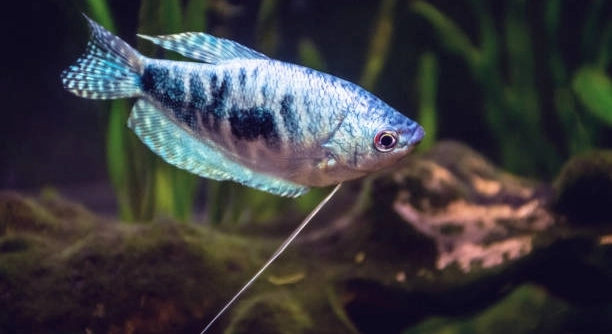
Gouramis are peaceful fish, but sometimes they show unexpected aggression. Many owners feel frustrated when their fish fight or chase each other, even in a well-kept tank. Understanding the reasons behind this behavior can help.
Aggression in gouramis is most often caused by overcrowding, territorial disputes, poor water quality, improper diet, lack of hiding spaces, stress from tankmates, and sudden environmental changes. Addressing these factors systematically reduces conflicts and promotes a calmer tank environment.
Learning how these common mistakes affect gourami behavior will help you create a more peaceful aquarium and maintain healthier, happier fish over time.
Overcrowding the Tank
When gouramis are kept in a tank that is too small or overcrowded, tensions rise quickly. Each fish needs its own space to swim and claim territory. Without enough room, even normally calm gouramis may start nipping, chasing, or showing aggressive displays. Overcrowding also stresses fish, weakening their immune systems and making them more prone to disease. Many new owners don’t realize how much space each fish needs, assuming a few inches per fish is enough. Adding plants, decorations, and hiding spots can help, but they cannot fully replace proper tank size. Observing how your gouramis interact is crucial; signs of stress include frequent hiding, loss of appetite, or constant chasing. Adjusting tank population before aggression becomes severe is always better than trying to resolve fights after injuries occur. Regular monitoring and understanding your fish’s behavior ensures a peaceful environment for all.
Overcrowding increases stress and often triggers fights, making tank harmony difficult to maintain if not addressed promptly.
Maintaining the right population density requires knowing your tank’s capacity and the temperament of your gouramis. A 20-gallon tank can support only a few medium-sized gouramis comfortably, while larger tanks allow for more fish and more hiding spaces. Separating aggressive individuals or providing additional partitions can also reduce conflicts. Remember that gouramis are territorial by nature, so giving them visual barriers and areas to retreat can prevent minor disputes from escalating. Keeping a balanced number of males and females is also important, as too many males can lead to constant challenges. Watching behavior over time helps determine if adjustments are needed, ensuring your gouramis remain calm and healthy.
Poor Water Quality
Poor water conditions quickly lead to aggression. High ammonia or nitrite levels irritate fish, causing them to act out.
Maintaining clean water and proper filtration keeps gouramis calm, as stress from toxins directly impacts their behavior.
Neglecting water changes or not testing regularly can create a hostile environment. Even if the tank looks clean, harmful chemicals may build up silently. Temperature fluctuations and pH instability also contribute to stress, making fish more likely to fight. Frequent partial water changes and using a reliable filter stabilize the environment. Testing kits for ammonia, nitrites, and pH should be used weekly. Consistency in maintenance reduces aggressive tendencies and supports overall health. When water quality is stable, gouramis spend more time swimming peacefully and less time defending territories. Creating a predictable and clean environment is one of the simplest ways to prevent aggression and keep all fish thriving in a shared space.
Territorial Disputes
Gouramis naturally claim areas in the tank. When multiple fish compete for the same spot, aggression increases quickly. Providing enough hiding spaces helps, but dominant fish may still assert control.
Territorial aggression is common, especially among males. They flare their fins, chase intruders, and sometimes nip at weaker fish. Rearranging decorations or adding plants can break up clear territories and reduce fights. Visual barriers like rocks or plants create separate zones, giving fish a sense of security. Some owners notice certain gouramis always claim the same corner, and these dominant individuals may need more space or occasional separation to prevent injuries. Understanding which fish are most territorial helps in managing tank dynamics and preventing ongoing conflict.
If aggression persists despite changes, separating highly dominant fish is often necessary. Temporary isolation or moving them to another tank can restore peace. Observing behavior patterns over time helps decide when intervention is required. Adjustments in tank layout or population can reduce competition, allowing all gouramis to coexist without constant stress. Creating multiple zones ensures less dominant fish can retreat safely, decreasing injuries and maintaining a calmer environment overall.
Improper Diet
An unbalanced diet can make gouramis irritable and more prone to aggression. Feeding too little or too often disrupts their behavior.
Poor nutrition affects energy levels and temperament. Gouramis need a mix of high-quality flakes, pellets, and occasional live or frozen foods. Deficiencies in protein or vitamins weaken their immune system, which increases stress and tension among tankmates. Overfeeding leads to bloating, water quality issues, and more conflicts over food. Feeding small amounts multiple times a day helps maintain stability. Some fish may bully others to dominate feeding areas, so spreading food across the tank reduces competition. Rotating diet types ensures essential nutrients are provided and keeps fish more relaxed.
Monitoring how your gouramis respond to feeding is key. If aggression spikes during meals, adjusting portion sizes or food placement can help. Live foods like brine shrimp or daphnia can stimulate natural hunting behaviors without causing stress if introduced gradually. Avoiding sudden changes in diet prevents unnecessary agitation. Consistent feeding routines, combined with a varied diet, reduce disputes over food and support overall health, making the tank a calmer and more balanced environment for all gouramis.
Lack of Hiding Spaces
Without enough plants or decorations, gouramis feel exposed and stressed. Stress often turns into aggression, as fish compete for limited safe spots.
Adding caves, floating plants, or driftwood gives fish places to retreat. Even simple barriers can reduce chasing and conflicts, helping gouramis feel more secure in their environment.
Stress from Tankmates
Some fish species provoke gouramis unintentionally. Fast-moving or aggressive tankmates increase tension, causing fights. Carefully selecting compatible species reduces incidents and keeps gouramis calmer.
Sudden Environmental Changes
Abrupt changes in temperature, lighting, or water chemistry can startle gouramis. They respond with heightened aggression until conditions stabilize. Maintaining a consistent environment prevents these spikes in stress and allows fish to interact peacefully.
Ignoring Behavior Signs
Failing to notice early aggression leads to injuries and long-term stress. Watching daily interactions helps identify trouble before it escalates.
FAQ
Why are my gouramis always chasing each other?
Gouramis chase when they feel their territory is threatened. Overcrowding, lack of hiding spaces, or the presence of dominant fish often triggers this behavior. Providing plants, decorations, and enough swimming space helps reduce chasing. Observing which fish are most dominant can guide adjustments in tank layout.
Can water quality really affect aggression?
Yes, poor water quality stresses gouramis and makes them more likely to fight. High ammonia, nitrites, or fluctuating pH irritates fish, while temperature swings can make them restless. Regular water changes, testing, and a reliable filter stabilize the environment, calming aggressive tendencies.
Does diet impact their behavior?
Absolutely. A poor diet or inconsistent feeding schedule can make gouramis irritable. They require high-quality flakes or pellets and occasional live or frozen foods. Overfeeding creates competition, while underfeeding increases stress. Feeding small portions multiple times daily and spreading food across the tank reduces conflicts.
How do tankmates influence aggression?
Gouramis are sensitive to other fish. Fast, aggressive, or highly territorial species can provoke them. Selecting calm, compatible tankmates minimizes stress. Avoid overcrowding and observe interactions closely. If fights occur, temporary separation or rearranging tank decorations can help fish settle.
Is it normal for male gouramis to fight?
Yes, males are naturally territorial, especially during breeding. Flared fins and chasing are common displays. Providing visual barriers, plants, or separate zones reduces disputes. Sometimes, separating aggressive males is necessary for the safety of weaker fish.
What are signs of stress in gouramis?
Signs include hiding constantly, loss of appetite, rapid breathing, or constant chasing. Stress often leads to disease and increased aggression. Watching daily behavior allows early intervention. Adjusting tank size, water quality, or feeding routines can reduce stress significantly.
Can rearranging the tank help?
Yes. Changing the placement of plants, rocks, or decorations can break established territories and reduce fights. It gives fish new areas to explore and retreat to, helping balance dominance and lowering aggression. Regularly rearranging areas encourages natural behavior and prevents constant conflict.
Do gouramis need hiding spaces?
Absolutely. Gouramis feel safer with plants, caves, or driftwood. Hiding spots reduce stress and prevent constant chasing. Even small barriers in the tank give weaker fish retreats, allowing the entire group to coexist more peacefully.
How do I know if a gourami is too dominant?
Dominant fish often claim the same area, chase others frequently, or flare fins at multiple tankmates. Observation is key. If aggression causes injuries or stress, consider separating that fish temporarily or adjusting the tank layout to create multiple zones for less dominant fish.
Can aggression be completely stopped?
Not entirely, because some level of territorial behavior is natural. However, careful tank management, proper diet, compatible tankmates, and sufficient hiding spots minimize fights. Monitoring water quality and daily behavior ensures aggression remains low, making the aquarium a calmer and healthier environment for all gouramis.
How often should I check water parameters?
Testing at least once a week is recommended. Check ammonia, nitrites, nitrates, pH, and temperature. Consistency prevents stress-induced aggression. Minor adjustments prevent large fluctuations, keeping gouramis calm and maintaining a stable tank environment.
What if aggression persists despite changes?
Persistent aggression may require separating certain fish or upgrading tank size. Dominant males may need individual spaces. Sometimes splitting the group temporarily resolves tension. Long-term observation is crucial to ensure fish health and prevent repeated conflicts in the tank.
Gouramis are generally peaceful fish, but even the calmest individuals can show aggression under certain circumstances. Understanding what triggers this behavior is essential for maintaining a harmonious tank. Factors like overcrowding, territorial disputes, poor water quality, improper diet, lack of hiding spaces, stress from tankmates, and sudden environmental changes all play a role. Each of these can increase tension among fish and lead to chasing, nipping, or other aggressive behaviors. By recognizing these factors, owners can take proactive steps to create a calmer, healthier environment. Observing your fish regularly helps identify signs of stress early, allowing you to make small adjustments before problems escalate.
Addressing aggression requires attention to the details of your aquarium setup. Providing enough space for each fish, along with visual barriers and hiding spots, reduces territorial disputes. Proper filtration, consistent water changes, and stable water parameters prevent stress caused by poor water quality. Feeding a balanced diet on a regular schedule ensures that your gouramis remain healthy and less likely to compete aggressively over food. Selecting compatible tankmates is also key, as fast or aggressive species can provoke tension. By managing these environmental and dietary factors, you can limit aggressive behavior and support the natural social dynamics of your gouramis.
Consistency is the most important part of maintaining peace in your aquarium. Gouramis respond well to stable conditions, routine feeding, and predictable environments. Adjusting the tank layout, monitoring behavior, and occasionally separating overly dominant fish can prevent prolonged conflicts. Remember that some level of aggression is natural, especially among males or territorial individuals, but it can be controlled with careful management. Regular observation, combined with small interventions when needed, allows all fish to coexist comfortably. Creating this balanced environment ensures that your gouramis not only survive but thrive, providing a peaceful and visually appealing aquarium for both the fish and the owner to enjoy.

Hello,
If you enjoy the content that we create, please consider saying a "Thank You!" by leaving a tip.
Every little bit helps us continue crafting quality advice that supports the health, happiness, and well-being of pets around the world, for pets of all shapes, sizes, and species.
We really appreciate the kindness and support that you show us!