
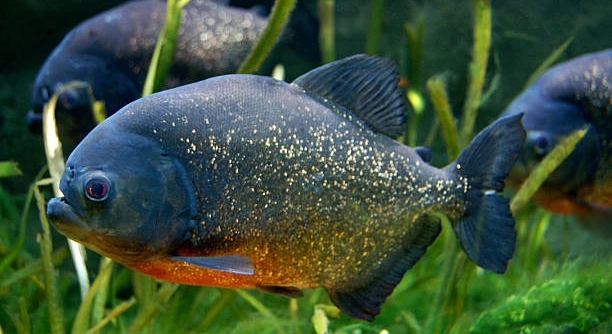
Keeping piranhas in a tank can be rewarding but tricky. Many fish owners face challenges when their piranhas start fighting. Understanding what causes these conflicts is key to a peaceful aquarium.
Several common mistakes can trigger aggressive behavior in piranha tanks, including overcrowding, improper feeding, poor tank setup, and lack of hiding spaces. These factors contribute to stress and territorial disputes among the fish, leading to frequent fights.
Recognizing these mistakes early helps create a calmer environment for your piranhas and improves their overall well-being. Let’s explore what often sparks these tank battles.
Overcrowding the Tank
Overcrowding is a common issue in piranha tanks that often leads to aggressive behavior. Piranhas need enough space to swim freely and establish their own territories. When too many fish are placed in a small tank, they become stressed and more likely to fight. Stress weakens their immune systems, making them vulnerable to diseases. It’s important to follow recommended tank sizes for the number of piranhas you keep. Providing enough room reduces competition for food and hiding spots, which helps lower tension. Observing your fish daily can help you notice early signs of overcrowding, such as constant chasing or visible injuries. Adjusting the number of fish or upgrading to a larger tank can restore balance and peace.
Overcrowding increases stress, triggers territorial fights, and can harm piranhas’ health. It is essential to maintain proper tank density.
Taking the time to space out your piranhas properly will prevent fights and improve their quality of life. It also gives each fish enough room to feel safe, which is key to reducing conflict in the tank.
Feeding Mistakes and Aggression
Uneven or insufficient feeding is another factor that sparks fights among piranhas. These fish are natural predators and can become aggressive if they feel hungry or if some are not getting enough food. Feeding too little causes competition, while feeding too much can dirty the tank and harm water quality. It’s important to offer the right amount of food and distribute it evenly so all fish have a chance to eat. Avoid overfeeding scraps that might rot and increase bacteria. Feeding live or frozen foods can help satisfy their hunting instincts and reduce boredom. Monitoring feeding behavior will also help identify if some fish are being bullied away from food. Consistent feeding routines help create a calmer tank environment.
When piranhas compete for food, they become more aggressive. Balanced feeding reduces stress and fights.
Proper feeding techniques not only keep your piranhas healthy but also lower chances of conflict. Ensuring everyone gets enough to eat while maintaining clean water supports their well-being and helps keep your tank peaceful over time.
Lack of Hiding Spaces
Piranhas need places to hide to feel safe and avoid constant stress. Without enough shelters, they become territorial and more likely to fight.
Providing plants, rocks, or decorations creates natural barriers. These spots let shy or weaker fish retreat when threatened. A well-decorated tank reduces tension by breaking lines of sight between fish, lowering aggression levels.
Using caves or dense plant clusters helps establish separate zones within the tank. This allows fish to claim smaller areas without invading others’ space. When fish feel secure, they are calmer and less prone to attacks. Regularly rearranging decorations can prevent dominant fish from controlling the whole tank, keeping peace among your piranhas.
Poor Water Quality
Poor water quality is a major factor that increases aggression in piranha tanks. Dirty water stresses the fish, weakens their health, and encourages hostile behavior.
Keeping water clean requires regular partial water changes and a good filtration system. Uneaten food, waste, and decaying plants raise ammonia and nitrate levels, which irritate fish. Stress from poor water conditions lowers their immune response and makes them more prone to fighting. Testing water parameters weekly helps catch problems early.
When water quality is maintained, piranhas stay healthy and less aggressive. Clear, well-oxygenated water supports their natural behavior and reduces irritation. Clean tanks provide a stable environment where piranhas can coexist peacefully without constant battles. Regular care and maintenance are key to avoiding these fights.
Mixing Different Species
Keeping different fish species with piranhas can cause stress and fights. Piranhas are territorial and may attack unfamiliar tank mates.
Other fish may also stress piranhas by competing for food or space. It’s best to avoid mixing species unless they are compatible and the tank is large enough to separate them.
Ignoring Tank Maintenance
Neglecting regular tank cleaning can worsen water quality and cause health issues. Dirty tanks increase stress, making piranhas more aggressive.
Frequent water changes and filter checks keep the environment stable. Ignoring maintenance lets waste build up, which irritates fish and triggers fights. Keeping a clean tank is essential for peace.
Not Monitoring Behavior
Ignoring early signs of aggression lets fights escalate quickly. It’s important to watch how piranhas interact daily.
Early intervention, like separating aggressive fish, can stop injuries and stress. Monitoring behavior keeps your tank calm and your piranhas safe.
FAQ
How can I tell if my piranhas are fighting?
Fighting piranhas usually show signs like chasing, biting, and visible injuries such as torn fins or missing scales. You might notice constant chasing or one fish cornering another. Loud splashing or frantic movement can also indicate aggression. Watching them closely will help you spot early signs before fights get serious.
What is the best tank size for piranhas to reduce fights?
A general rule is at least 20 gallons per piranha. Larger tanks give them space to swim and establish territories, reducing stress and aggression. Overcrowding is a common cause of fights, so providing enough room is one of the simplest ways to keep peace in your tank.
Can feeding live food reduce aggression?
Feeding live or frozen food can help satisfy piranhas’ natural hunting instincts, reducing boredom and aggression. It also ensures that all fish get a fair chance to eat, as they actively chase the food rather than competing over slow or uneven feeding.
How often should I clean my piranha tank?
Perform partial water changes of 20-30% weekly or biweekly, depending on tank size and fish load. Regular cleaning removes waste and toxins that stress fish. Checking filters weekly is also important to keep water conditions stable and reduce aggression caused by poor quality.
Is it okay to keep different fish species with piranhas?
Generally, it’s risky to mix other species with piranhas because of their aggressive and territorial nature. If you do, make sure the tank is large with plenty of hiding spaces and that the species are known to be compatible. However, many experts recommend keeping piranhas alone for the safest environment.
What are good hiding places for piranhas?
Piranhas like caves, dense plants, and rock formations. These help break up the tank visually and give fish places to retreat when stressed. Creating multiple hiding spots reduces territorial fights and lets shy or injured fish recover safely.
How can I separate fighting piranhas without stressing them?
Use tank dividers or a separate quarantine tank to isolate aggressive fish. Make sure both tanks have proper filtration and hiding spots. Moving fish gently and keeping the environment stable will reduce additional stress during separation.
Why do piranhas fight more during breeding season?
During breeding, piranhas become more territorial and protective. They guard nests aggressively, leading to increased fights. Providing extra hiding spots and reducing disturbances during this time can help minimize conflicts.
What should I do if a piranha is seriously injured?
Remove the injured fish to a separate recovery tank with clean water and hiding places. Keep it well-fed and monitor its health. Severe injuries may require veterinary care. Prevent future injuries by addressing causes of fights in the main tank.
Can rearranging tank decorations help reduce fights?
Yes. Changing the layout disrupts established territories, which can reduce dominant behavior and reset aggression levels. It gives fish new spaces to explore and claim, helping to balance the tank’s social order. Regular rearranging can keep aggression from becoming permanent.
Keeping piranhas can be very rewarding, but it also comes with challenges. One of the biggest challenges is managing their aggressive behavior. Many fights in piranha tanks happen because of common mistakes that can be avoided. By understanding what causes these fights, you can create a better environment for your fish. Simple changes like giving them enough space, feeding them properly, and keeping their tank clean can make a big difference. When the fish feel comfortable and safe, they are less likely to fight. It is important to pay attention to their behavior and make adjustments as needed.
Providing the right tank setup is just as important as feeding and care. Piranhas need enough room to swim and places to hide when they feel threatened. Decorations like plants, rocks, or caves can help reduce stress by giving the fish their own space. This helps break up the tank so piranhas do not feel they have to fight over one area. Water quality also plays a major role in keeping your fish calm. Dirty water or poor filtration can cause stress and lead to more fighting. Regular maintenance, including water changes and cleaning filters, is necessary to keep the tank healthy and peaceful.
Watching your piranhas closely will help you catch problems early. If fights do start, it is important to act quickly to separate injured or overly aggressive fish. Many times, small changes can stop fights before they get worse. Keeping piranhas together takes patience and care, but it can be done successfully with the right knowledge. By avoiding common mistakes and giving your fish the best environment possible, you will enjoy a tank where piranhas live calmly and healthily. The effort you put into proper care will be worth it in the long run.

Hello,
If you enjoy the content that we create, please consider saying a "Thank You!" by leaving a tip.
Every little bit helps us continue crafting quality advice that supports the health, happiness, and well-being of pets around the world, for pets of all shapes, sizes, and species.
We really appreciate the kindness and support that you show us!