
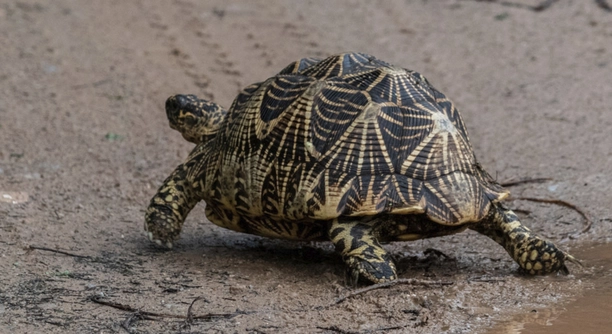
Taking care of a star tortoise requires attention and knowledge to ensure a long and healthy life. Their needs are specific, and small mistakes can have a significant impact on their health. Let’s look at what to avoid.
Several factors, such as improper habitat, diet, and handling, can significantly reduce the lifespan of a star tortoise. Common mistakes include providing inadequate UVB lighting, overfeeding, neglecting humidity needs, and failing to offer a varied and balanced diet.
By understanding these common mistakes, you can ensure that your star tortoise thrives for many years. Proper care can help them live a healthy, fulfilling life. Keep reading to learn how to improve their well-being.
1. Providing Inadequate UVB Lighting
A star tortoise requires proper UVB lighting to maintain healthy shell growth and strong bones. Without UVB light, they can’t process calcium properly, leading to shell deformities and potential metabolic bone disease. This is especially true if they spend too much time in low light. A good UVB light mimics the sun’s natural rays, which are essential for their health. Make sure the light is placed within the correct distance from your tortoise, and ensure it is replaced regularly, as UVB light loses its strength over time.
For optimal care, place a UVB bulb designed for reptiles in their habitat. The right lighting should be on for about 10–12 hours a day to mimic a natural day-night cycle.
Be mindful of your star tortoise’s environment, as inadequate lighting can have long-term effects. If they’re not receiving enough UVB, they could face bone and shell problems that may be irreversible. It’s simple to fix by providing the right kind of light, which is easy to find at pet stores.
2. Overfeeding and Poor Diet Choices
Overfeeding your star tortoise may seem harmless, but it can lead to obesity and other health issues. This is especially true if you’re feeding them too much high-calcium food or food high in fat. Tortoises need a balanced diet with a mix of greens, flowers, and occasional fruits. Too much protein or fat can stress their digestive system and lead to long-term health problems.
Providing variety is key, but it’s also essential to control portions. Overfeeding can lead to rapid growth that puts stress on their bodies, causing them to grow too quickly and creating potential health risks. Make sure to feed them foods that suit their age, size, and species-specific needs.
When managing their diet, it’s also important to avoid feeding them foods that are harmful, such as high-oxalate vegetables or those that lack the necessary nutrients. Be aware that their natural diet consists of high-fiber, low-calcium food, which supports their health. A few simple changes in feeding habits can make a significant difference.
3. Ignoring Humidity Needs
Star tortoises need specific humidity levels to stay healthy. Too little humidity can lead to dehydration, shedding problems, and respiratory issues. It’s essential to maintain around 50-60% humidity in their environment to mimic their natural habitat. Without it, they may face discomfort and illness.
To maintain the proper humidity, provide a shallow water dish for drinking and soaking. You can also mist the enclosure lightly each day. Be cautious not to overdo it, as too much humidity can cause mold growth and other problems.
To ensure proper humidity, monitor the enclosure regularly using a hygrometer. It’s easy to adjust humidity levels by controlling ventilation and misting. A small effort in maintaining these conditions can lead to a healthier and happier star tortoise.
4. Inadequate Space and Enclosure
Tortoises require plenty of space to roam and explore. A small enclosure can cause stress, which negatively impacts their health. A cramped space limits their movement, which affects their exercise, shell growth, and overall well-being.
Make sure the enclosure is spacious enough for your star tortoise to move freely. An ideal size should allow them to walk, explore, and bask. Overcrowding them with other pets in the same space can cause additional stress, leading to more health problems. Avoid stacking too many items inside their enclosure, as this limits their ability to move.
Creating a large, safe space for your tortoise is simple and beneficial. It will also help ensure they don’t become bored, which can lead to unhealthy behaviors. Their natural instincts require space for foraging, and providing a spacious environment mimics the conditions they would have in the wild.
5. Handling Star Tortoises Roughly
Star tortoises are sensitive creatures and can get stressed if handled too roughly. Over-handling or improper handling can lead to anxiety, physical injury, and even heart issues. They need to feel secure, so avoid picking them up too frequently or roughly.
Always support their shell and avoid quick or jerky movements. If they seem uncomfortable, give them space. Handle them gently and for short periods to reduce the risk of stress. This simple practice goes a long way in maintaining their health and well-being.
6. Poor Temperature Control
Star tortoises thrive in specific temperature ranges, typically between 75°F and 95°F. If the temperature is too low or too high, it can cause health problems like respiratory infections or lethargy. Temperature fluctuations should be avoided at all costs.
Use a reliable thermostat to keep the temperature stable. Ensure there are warm and cool areas in their enclosure so they can regulate their body temperature. Heat lamps can provide the necessary warmth, but make sure to position them correctly to avoid overheating.
7. Lack of Proper Substrate
Using the wrong substrate in the enclosure can cause problems for your star tortoise. Substrates like sand or wood shavings can be difficult to clean, and they may cause digestive issues if ingested. You should choose a substrate that is easy to clean and safe for your tortoise.
Coconut coir or a mix of organic soil and sand works well because it’s easy to maintain, and it allows the tortoise to dig and burrow. Digging is natural behavior for star tortoises, so having a substrate that mimics their natural environment is important.
FAQ
How often should I feed my star tortoise?
Feeding your star tortoise properly is key to their health. They should be fed every other day, providing a variety of leafy greens, grasses, and occasional fruits. Their diet should be high in fiber and low in protein to mimic what they would eat in the wild. Don’t overfeed them, as this can lead to obesity and digestive issues. Avoid feeding them too many fruits, as the sugar content can affect their health negatively. Monitor their weight and adjust their portions accordingly.
What should I do if my star tortoise refuses to eat?
If your star tortoise refuses to eat, it could be due to a few reasons, such as stress, incorrect temperature, or illness. Check the humidity and temperature in the enclosure to ensure they are within the right range. If the conditions are correct and they still aren’t eating, try offering different foods, as they can sometimes get picky. If the lack of appetite continues for more than a couple of days, it’s a good idea to consult a vet to rule out any health issues.
Can star tortoises live with other pets?
Star tortoises can live with other pets, but only under the right conditions. They should not be housed with more aggressive or larger animals that may pose a threat. Some tortoises can tolerate living with other docile reptiles, but you need to ensure that each animal has its own space and resources. Overcrowding can cause stress and competition for food, which can affect their health. Always supervise interactions with other pets to prevent harm.
How do I know if my star tortoise is sick?
Signs that your star tortoise may be sick include loss of appetite, lethargy, unusual breathing patterns, discharge from the nose or eyes, or a swollen, soft shell. If you notice any of these symptoms, it’s important to consult a vet familiar with reptiles as soon as possible. Early detection and treatment are essential to avoid long-term health issues.
What is the ideal temperature for my star tortoise?
Star tortoises need a temperature gradient in their enclosure. The basking area should be between 90°F and 95°F, while the cooler side of the enclosure should be around 75°F to 80°F. This range allows your tortoise to regulate its body temperature by moving between different areas. Use a thermometer to monitor the temperatures regularly and adjust the heating source accordingly. Keeping a consistent temperature will help your star tortoise remain active and healthy.
How much space does a star tortoise need?
A star tortoise needs a spacious enclosure to stay healthy and happy. A minimum of a 40-gallon tank is required for a single adult tortoise, but larger enclosures are always better. The more space they have, the more natural behaviors they can exhibit, such as walking and exploring. If you plan to house multiple tortoises, make sure there is enough space to prevent overcrowding, which can lead to stress and health problems.
What is the best substrate for a star tortoise?
The best substrate for a star tortoise is one that allows them to dig and burrow naturally. Coconut coir or a mix of organic soil and sand is ideal. This substrate helps maintain the right humidity levels, is easy to clean, and is safe for your tortoise if they ingest it. Avoid using substrates like cedar or pine shavings, as they can cause respiratory problems and are not suitable for reptiles.
Can star tortoises be kept outdoors?
Yes, star tortoises can be kept outdoors in areas with a warm climate. They need a secure outdoor enclosure that protects them from predators and extreme weather conditions. Make sure the outdoor space has proper shade, access to fresh water, and enough room for them to roam. It’s important to keep their enclosure clean and free of dangerous plants or chemicals. If the climate is cooler or too humid, it’s better to keep them indoors to maintain the correct environment.
How do I keep my star tortoise hydrated?
Star tortoises get most of their hydration from their food, especially if you feed them moist vegetables and fruits. However, it’s still important to provide a shallow dish of fresh water in their enclosure at all times. You can also mist their enclosure lightly to help with humidity and hydration. Make sure to change the water regularly to prevent any bacterial growth.
How can I ensure my star tortoise gets enough UVB light?
To ensure your star tortoise gets the right amount of UVB light, you need to use a high-quality UVB bulb designed for reptiles. These bulbs should be placed within 10-12 inches of the tortoise’s basking area. The UVB light should be on for 10-12 hours a day to simulate natural sunlight. Over time, UVB bulbs lose their effectiveness, so they should be replaced every 6-12 months. This is crucial for helping your tortoise absorb calcium and maintain healthy bones and shell growth.
Final Thoughts
Taking care of a star tortoise is a rewarding experience, but it requires attention to their specific needs. By understanding the basics of proper diet, habitat, and care, you can ensure that your tortoise lives a long and healthy life. One of the most important things is to provide the right environment. This means making sure their enclosure has the proper temperature, humidity, and lighting. A stable environment helps your tortoise stay healthy and active, and reduces the risk of stress and illness.
It’s also important to remember that star tortoises, like all animals, have individual personalities and preferences. Some may be more active and social, while others might prefer solitude. This means you’ll need to adjust their care based on their behavior. Regularly observing your tortoise will help you understand its needs, whether it’s dietary changes, more space, or different handling techniques. Knowing when to adjust care is key to supporting their overall well-being.
Lastly, regular veterinary check-ups are vital to keeping your star tortoise healthy. Even if your tortoise seems fine, it’s always a good idea to have a professional look at them periodically. Early detection of any health issues can prevent more serious problems down the line. With the right care, attention, and environment, your star tortoise can thrive and become a beloved companion for many years.

Hello,
If you enjoy the content that we create, please consider saying a "Thank You!" by leaving a tip.
Every little bit helps us continue crafting quality advice that supports the health, happiness, and well-being of pets around the world, for pets of all shapes, sizes, and species.
We really appreciate the kindness and support that you show us!